.png)


5 Powerful Facts About ART Bali and Its Future Impact
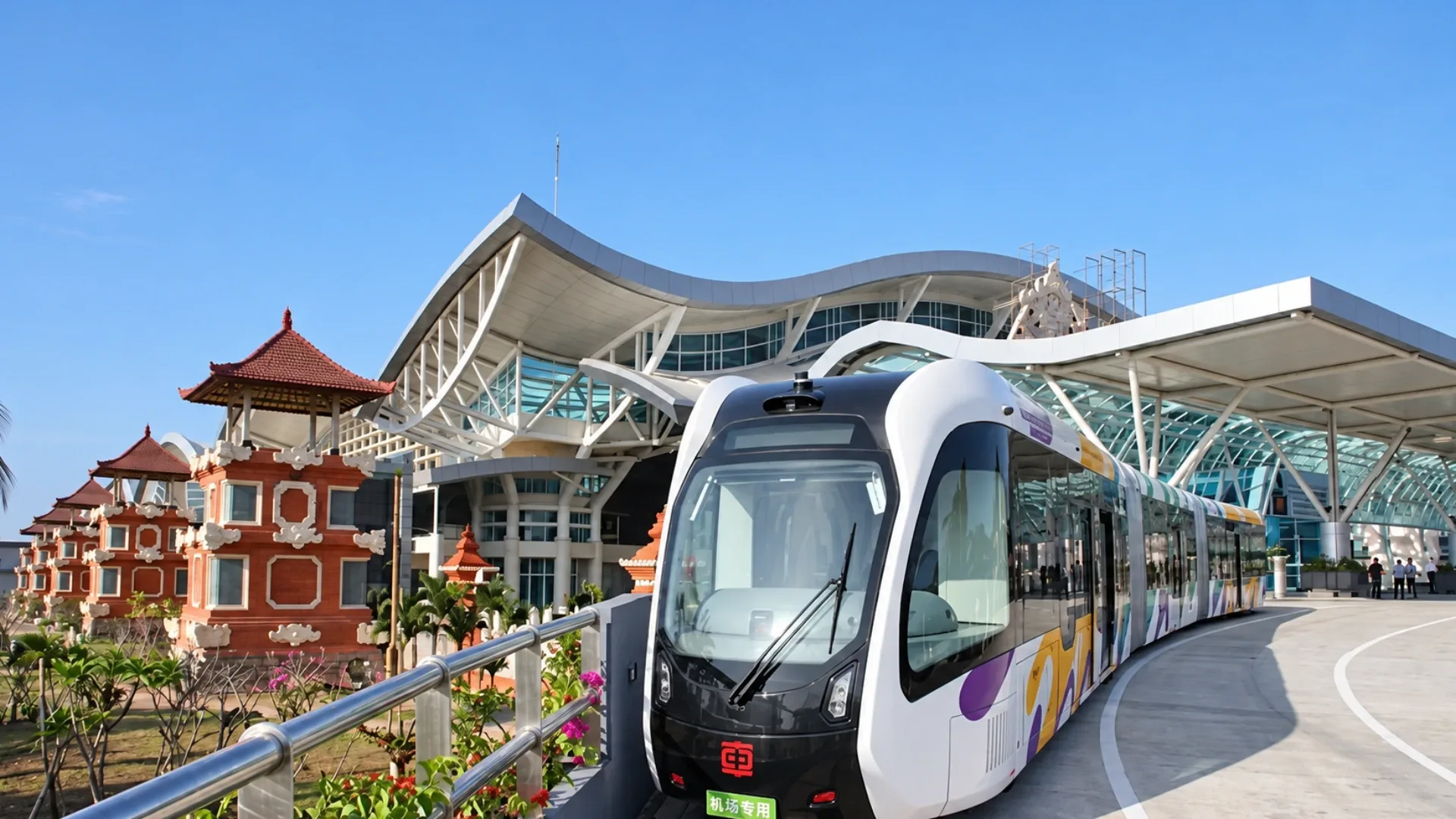
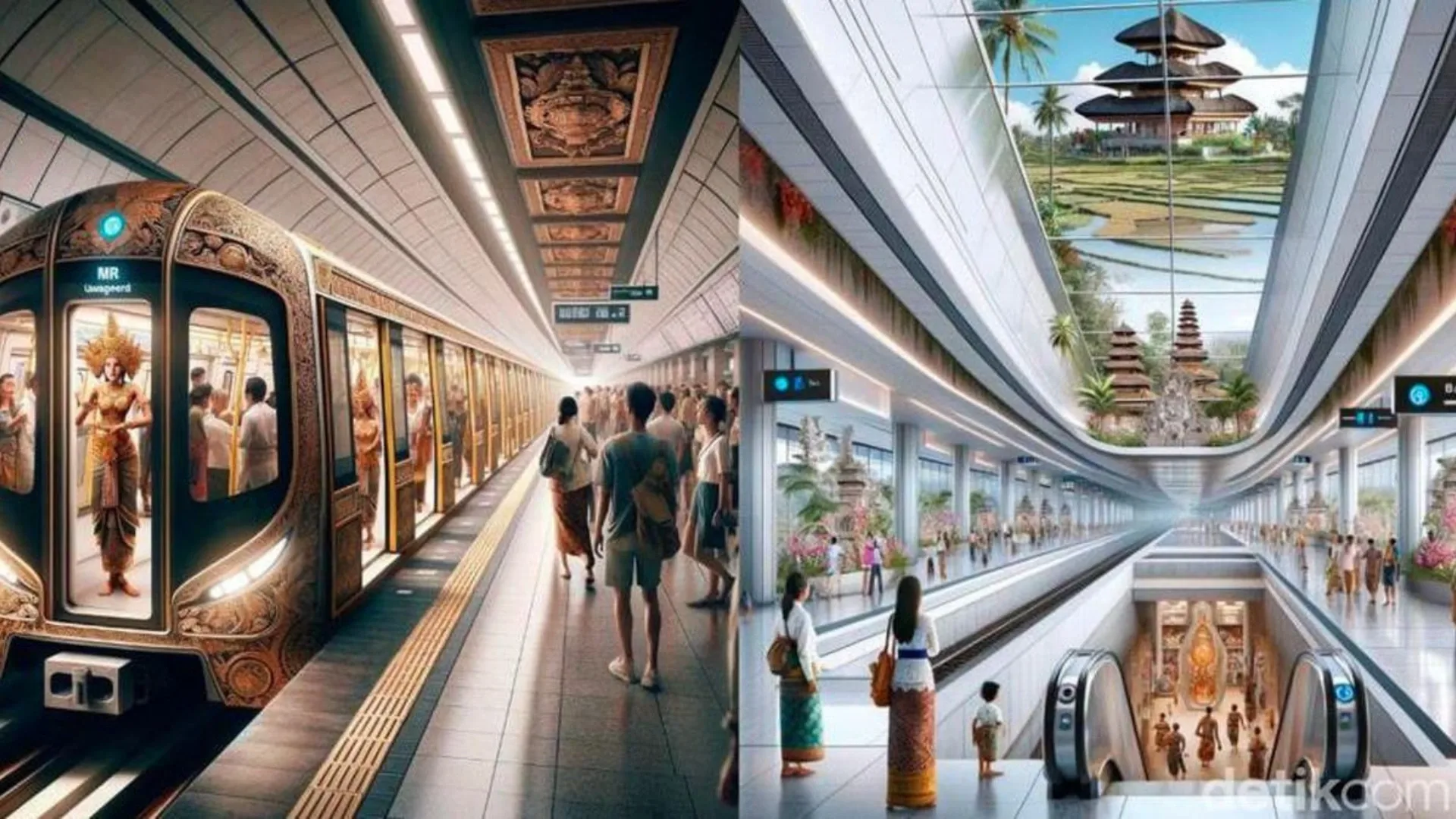
Bali is preparing for a major transformation in public transportation. As congestion continues to challenge some of the island’s busiest tourism corridors, the Government of Bali is developing a new mass-transit concept that could change how residents, workers, and tourists travel across southern Bali.
Known as ART Bali, the proposed system is an electric, battery-powered rail transit solution designed to provide modern public transportation without relying on conventional steel railway tracks.
The project is particularly significant because Bali's transport network must accommodate a combination of residents, tourists, airport passengers, workers, and commercial activity. According to the Bali Provincial Transportation Agency, passenger demand at I Gusti Ngurah Rai International Airport and population growth in Denpasar and Badung are increasing pressure on the existing road network.
So, what exactly is ART Bali, and why is it becoming an important infrastructure project for the island?
What Is ART Bali?
ART Bali refers to the planned implementation of Autonomous Rail Transit (ART) technology as a new mass-transit option in Bali.
Unlike conventional trains that operate on steel rails, the proposed ART Bali vehicles use rubber tires and are designed to operate on road-based infrastructure or dedicated corridors. The technology uses sensors and navigation systems to guide the vehicle along a predefined virtual route.
This means that ART Bali does not necessarily require the same type of extensive physical railway infrastructure associated with conventional MRT or LRT systems.
The concept is particularly attractive for Bali because building extensive rail infrastructure in densely developed tourism areas can be complicated, expensive, and disruptive.
The Bali Provincial Government has now moved forward with a battery-powered electric tram concept connecting Ngurah Rai Airport and Canggu. A cooperation agreement involving the Bali Provincial Government, Badung Regency Government, PT Kereta Api Indonesia (KAI), and airport authorities was signed on September 1, 2026.
1. ART Bali Could Require Lower Infrastructure Investment
One of the strongest arguments for ART Bali is its potentially lower infrastructure cost.
According to Bali Transportation Agency Head I Kadek Mudarta, ART can have lower investment and operational costs compared with MRT because it does not require conventional steel rails.
For a rapidly developing destination such as Bali, infrastructure investment is an important consideration.
Traditional rail systems can require significant construction involving tracks, stations, bridges, tunnels, utility relocation, and other supporting infrastructure.
By comparison, ART Bali is designed around a system that can operate using road infrastructure and virtual guidance technology.
This does not mean that ART Bali will require no infrastructure investment. Dedicated lanes, stations, road improvements, charging infrastructure, traffic management systems, and safety facilities will still be necessary.
However, the potentially lighter infrastructure requirements could make ART Bali more adaptable to Bali's existing urban environment.
2. ART Bali Will Be Powered by Electricity
Another major feature of ART Bali is its use of electric battery technology.
The latest plan announced by the Bali Provincial Government describes the project as a battery-powered electric tram, meaning it will not require overhead electrical cables along the entire route.
This could provide several advantages.
First, electric public transportation can reduce direct exhaust emissions compared with conventional diesel-powered buses.
Second, battery technology can eliminate the visual presence of overhead electrical wires along the route.
For a tourism destination where streetscapes and visual quality are important, this could be particularly relevant.
The environmental benefits of ART Bali, however, will also depend on factors such as electricity generation, battery management, vehicle efficiency, passenger occupancy, and how effectively the system encourages people to move away from private vehicles.
3. ART Bali Could Improve Airport Connectivity
One of the most important proposed functions of ART Bali is improving connectivity between Bali's airport and major tourism areas.
The current development plan focuses on a corridor connecting I Gusti Ngurah Rai International Airport with Canggu, passing through important areas in southern Bali.
This is strategically significant.
Ngurah Rai Airport is one of Indonesia's busiest tourism gateways, while areas such as Kuta, Seminyak, Kerobokan, and Canggu have experienced substantial tourism and commercial growth.
A reliable mass-transit connection could make airport transfers more predictable while providing an alternative to private cars, taxis, and other road-based transport.
For businesses operating in Bali, ART Bali could therefore have implications beyond transportation.
Improved connectivity can influence accessibility to hotels, restaurants, retail areas, offices, tourism businesses, and residential developments.
4. ART Bali Could Help Address Traffic Congestion
Traffic congestion remains one of the major challenges facing Bali, particularly in the southern part of the island.
The Bali Transportation Agency has identified population growth in Denpasar and Badung, together with increasing airport passenger volumes, as factors contributing to pressure on the transportation network.
This is where ART Bali could play an important role.
A mass-transit system only works effectively if it provides a practical alternative to private transportation.
If residents, employees, and tourists can conveniently travel between major destinations using ART Bali, fewer journeys may need to be made by individual cars or motorcycles.
However, the success of ART Bali will depend heavily on route design, frequency, ticket prices, station locations, integration with other transport modes, and whether dedicated lanes are properly implemented.
Badung authorities have already emphasized the importance of dedicated infrastructure to prevent public transport from becoming trapped in the same congestion as ordinary traffic.
5. ART Bali Could Support Long-Term Investment and Tourism Growth
Transportation infrastructure can have a significant impact on real estate, hospitality, tourism, and commercial development.
For investors, ART Bali could potentially increase accessibility to areas located along or near its transport corridor.
Better connectivity may support the development of hotels, restaurants, offices, retail facilities, residential projects, and other businesses.
However, investors should avoid assuming that every property along a proposed ART Bali route will automatically increase in value.
Infrastructure projects can change during planning, and final routes, stations, land requirements, zoning arrangements, and construction schedules may evolve.
For property and business investors, ART Bali should therefore be considered as one factor within a broader due-diligence process.
What Is the Current ART Bali Timeline?
As of September 2026, ART Bali remains a project under development rather than an operational public transportation system.
The Bali Provincial Government announced that groundbreaking is targeted for March 2027, following preparations involving the provincial government, Badung Regency, KAI, and other stakeholders.
Earlier in August, Governor Wayan Koster said the project was targeted to begin construction in 2027 and that supporting regulations were still being prepared.
This distinction is important.
Businesses, investors, and property owners should not treat the proposed ART Bali route or construction schedule as final until the relevant regulatory, planning, land, engineering, and implementation stages have been completed.
What Regulations Apply to ART Bali?
From a regulatory perspective, ART Bali needs to be considered within Indonesia's broader transportation and railway framework, as well as Bali's regional spatial-planning and infrastructure policies.
The Ministry of Transportation maintains the national regulatory framework for railway transportation, including technical requirements for railway facilities. For example, Minister of Transportation Regulation No. PM 16 of 2022 regulates the design and engineering of railway rolling stock and remains listed as applicable by the Ministry's legal database.
At the regional level, Bali is also preparing additional regulatory arrangements for the project's implementation.
Governor Koster stated in August 2026 that regulations concerning the use of underground space were being prepared because existing spatial planning arrangements did not yet sufficiently regulate the intended use.
Therefore, the regulatory environment surrounding ART Bali is still developing.
Businesses and investors considering projects near the proposed corridor should monitor changes to spatial planning, transportation regulations, land use, construction requirements, and other implementing regulations.
What Could ART Bali Mean for Bali Businesses?
For hospitality and tourism businesses, ART Bali could eventually make employee and visitor mobility easier.
Hotels, restaurants, villas, offices, retail developments, and tourism facilities located close to public transportation nodes could benefit from improved accessibility.
For employers, better public transport could also help employees commute between residential areas and workplaces.
For property investors, meanwhile, transportation infrastructure should form part of a wider feasibility assessment covering zoning, land ownership, licensing, access, environmental requirements, and future development plans.
In other words, ART Bali could create opportunities, but those opportunities should be evaluated through proper legal and commercial due diligence.
Source:
FAQ

Share the blog


Related News


SYNERGY PRO Business & Legal Consulting
Social Media


