.png)


7 Shocking Myths About Ogoh-Ogoh in Bali Every Foreigner Must Stop Believing
Why Ogoh-Ogoh in Bali Is Often Misunderstood
For many foreigners visiting Indonesia, Ogoh-Ogoh in Bali is often seen as a festive parade filled with giant statues, loud music, and crowds. At first glance, it may resemble a carnival or cultural performance designed purely for entertainment.
However, this perception only scratches the surface. In reality, Ogoh-Ogoh in Bali is deeply rooted in Balinese Hindu philosophy and plays a crucial role in the spiritual preparation for Nyepi, the Balinese Day of Silence.
In 2026, Nyepi falls on March 19, with the Ogoh-Ogoh parade taking place the evening before, on March 18 during Pengerupukan.
The tradition represents a symbolic cleansing ritual where negative energies are manifested into physical forms and then removed from the environment.
Despite its importance, many misconceptions persist about Ogoh-Ogoh in Bali, especially among foreign tourists and investors.
This article will break down:
- The real meaning behind Ogoh-Ogoh in Bali
- Common myths vs facts
- Cultural and legal considerations in 2026
- What foreigners should and should NOT do
Understanding Ogoh-Ogoh in Bali is not just about cultural appreciation, it is essential for respectful and compliant behavior while living or doing business in Bali.
What Is Ogoh-Ogoh in Bali? Cultural and Spiritual Meaning
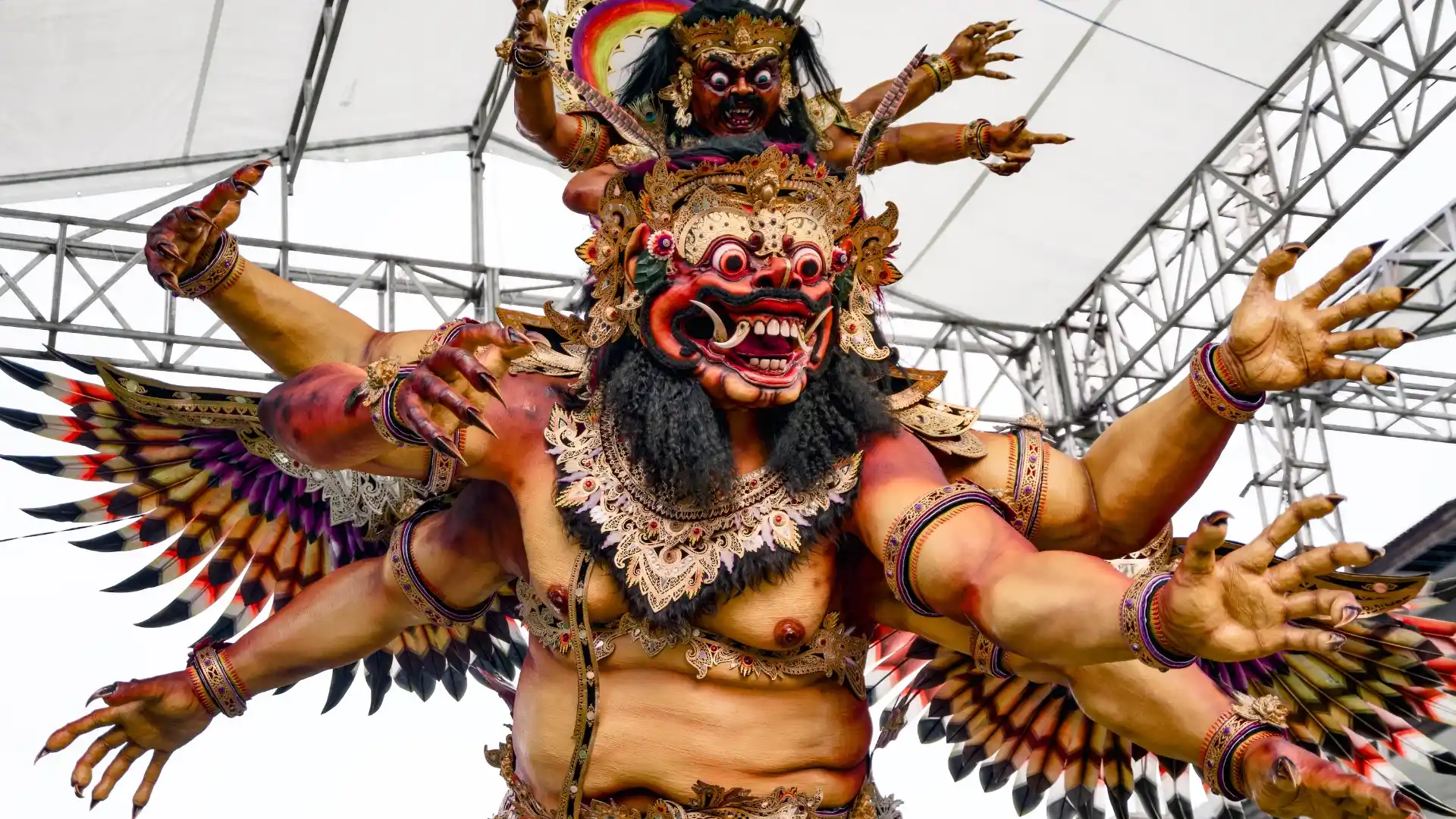
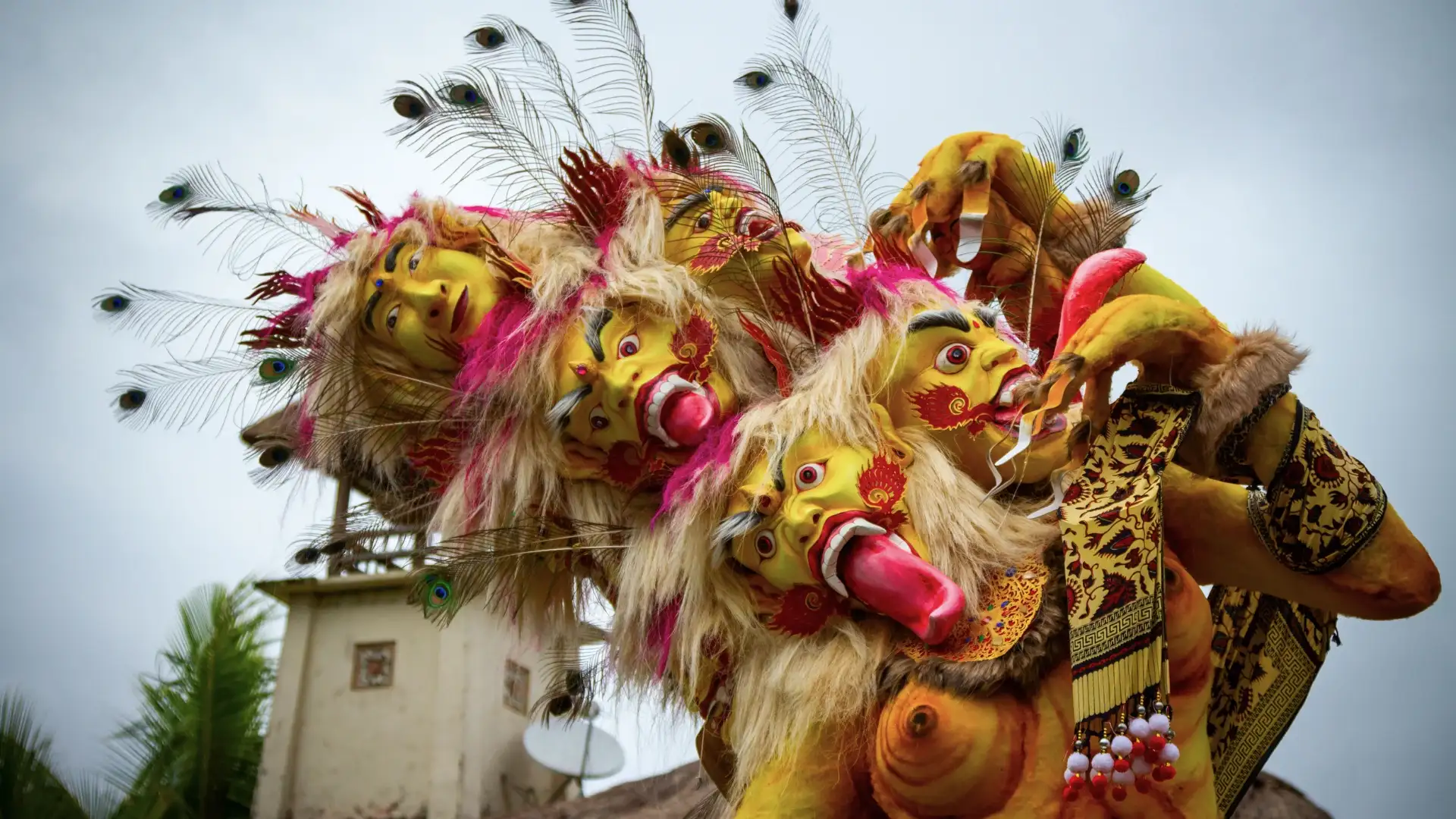
Ogoh-Ogoh in Bali refers to large, artistic statues typically shaped like demons or mythological creatures.
These statues represent Bhuta Kala, which symbolizes negative forces or chaotic energy in the universe.
The tradition is part of the Tawur Kesanga ritual, performed before Nyepi to cleanse both the physical and spiritual environment.
Key characteristics of Ogoh-Ogoh in Bali:
- Built by local communities (banjar)
- Designed to represent negative traits or evil spirits
- Paraded through villages with music and chanting
- Often burned at the end of the procession
The burning of Ogoh-Ogoh in Bali symbolizes:
- Elimination of negative energy
- Spiritual purification
- Preparation for the new year
It is important to understand that Ogoh-Ogoh in Bali is not just art, it is a ritual deeply connected to Balinese beliefs about balance between humans, nature, and the spiritual world.
Myth vs Fact: Common Misconceptions About Ogoh-Ogoh in Bali
Many foreigners misunderstand Ogoh-Ogoh in Bali due to its festive atmosphere. Here are the key myths and facts explained clearly:
Myth 1: Ogoh-Ogoh in Bali Is Just a Festival for Tourists
Fact:
Although tourists can watch, Ogoh-Ogoh in Bali is a religious ritual performed by local communities as part of spiritual cleansing before Nyepi, not a tourist event.
Myth 2: The Parade Happens on Nyepi Day
Fact:
Ogoh-Ogoh in Bali takes place the night before Nyepi (Pengerupukan). Nyepi itself is a silent day with no activities across the island.
Myth 3: Ogoh-Ogoh Represents Evil Worship
Fact:
The figures in Ogoh-Ogoh in Bali symbolize negative energy (Bhuta Kala), which is meant to be removed, not worshipped.
Myth 4: Everyone Must Participate
Fact:
Not all communities are required to hold Ogoh-Ogoh in Bali, and foreigners are not expected to participate, only to respect the tradition.
Myth 5: It’s Safe to Treat It Like a Party
Fact:
Even though Ogoh-Ogoh in Bali is lively, it remains a sacred event. Visitors should avoid disruptive or disrespectful behavior.
Myth 6: Foreigners Can Do Anything During the Parade
Fact:
Foreigners must follow local customs during Ogoh-Ogoh in Bali, including dressing appropriately and respecting instructions from local authorities.
Myth 7: Ogoh-Ogoh Has No Modern Regulations
Fact:
Today, Ogoh-Ogoh in Bali includes safety and environmental guidelines, such as using eco-friendly materials and managing crowds properly.
When and Where to Experience Ogoh-Ogoh in Bali
In 2026:
- Ogoh-Ogoh in Bali takes place on March 18 (Pengerupukan night)
- Nyepi follows on March 19
The parade occurs across Bali, with major areas including:
- Denpasar
- Ubud
- Kuta and Legian
- Local villages (banjar-based celebrations)
During Ogoh-Ogoh in Bali, streets become vibrant with:
- Gamelan music
- Fire torches
- Community performances
However, this vibrant atmosphere contrasts sharply with the next day, Nyepi., when:
- No travel is allowed
- No lights or noise are permitted
- The entire island shuts down
Understanding this transition is essential for foreigners experiencing Ogoh-Ogoh in Bali for the first time.
Rules and Cultural Etiquette Foreigners Must Follow
Foreigners attending Ogoh-Ogoh in Bali should respect both cultural and practical guidelines.
During Ogoh-Ogoh Night:
- Respect local ceremonies
- Avoid disrupting processions
- Dress appropriately (no overly revealing clothing)
- Follow directions from local authorities or Pecalang
During Nyepi (After Ogoh-Ogoh):
- Stay inside your accommodation
- Avoid noise and lights
- No travel or outdoor activities
- Respect total silence
These rules apply to everyone, including tourists.
Violating these expectations can result in:
- Warnings from Pecalang
- Social consequences
- Possible administrative action
Understanding the connection between Ogoh-Ogoh in Bali and Nyepi is essential for compliance.
Recent Trends and Regulations Around Ogoh-Ogoh in Bali
In recent years, Ogoh-Ogoh in Bali has evolved with increasing regulation and sustainability focus.
Key developments include:
Environmental Regulations
- Ban on Styrofoam materials
- Encouragement of eco-friendly materials like bamboo and paper
Safety and Crowd Control
- Local government supervision
- Restrictions in certain areas
- Organized festival zones
Non-Mandatory Nature
- Some years or regions may limit or cancel Ogoh-Ogoh in Bali due to safety or policy reasons
These updates show that Ogoh-Ogoh in Bali is not static, it adapts to modern challenges while preserving tradition.
Why Understanding Ogoh-Ogoh in Bali Matters for Foreign Residents & Investors
For foreigners living or doing business in Bali, understanding Ogoh-Ogoh in Bali is more than cultural knowledge, it is part of social compliance.
Key reasons include:
- Respecting local traditions
- Avoiding cultural misunderstandings
- Building strong community relationships
- Ensuring business operations align with local holidays
For example:
- Businesses must close during Nyepi
- Logistics and operations are paused
- Staff availability is affected
Ignoring these factors can disrupt business planning.
Understanding Ogoh-Ogoh in Bali helps investors align with local culture and operate more effectively in Bali.
Beyond the Parade – The Real Meaning of Ogoh-Ogoh in Bali
At first glance, Ogoh-Ogoh in Bali may appear as a vibrant cultural parade filled with artistic expression and community celebration.
However, its deeper meaning lies in spiritual purification and preparation for a new beginning.
By separating myths from facts, foreigners can better appreciate the true significance of Ogoh-Ogoh in Bali and avoid common misunderstandings.
Key takeaways:
- It is a spiritual ritual, not just entertainment
- It takes place before Nyepi, not during
- It symbolizes removal of negative energy
- It requires respect and cultural awareness
For anyone living, investing, or visiting Bali, understanding Ogoh-Ogoh in Bali is an important step toward respecting the island’s traditions and integrating into its unique cultural environment.
Source:
FAQ

Share the blog


Related News


SYNERGY PRO Business & Legal Consulting
Social Media


