.png)


9 Critical Mistakes Behind Work Permits in Indonesia 2026 That Cause Costly Rejections

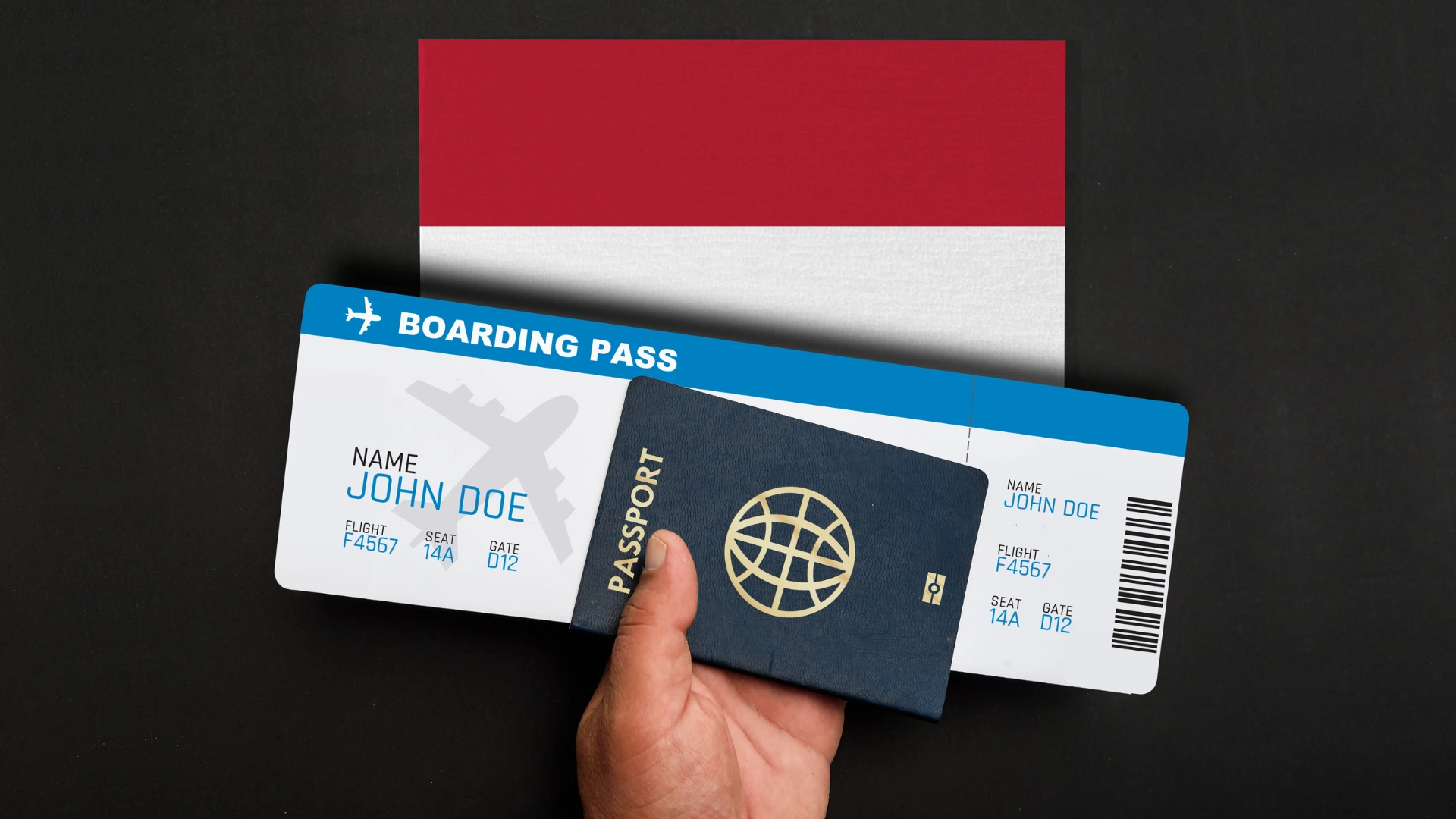
Why Work Permit Rejections Are Increasing in 2026
Hiring international professionals is becoming increasingly common as Indonesia continues attracting foreign investment and global businesses. However, obtaining approval for Work Permits in Indonesia 2026 has become more complex due to tighter compliance checks by the Ministry of Manpower and immigration authorities.
Foreign professionals cannot simply accept a job offer and begin working in Indonesia. Instead, the process involves multiple approvals, including the RPTKA (Foreign Worker Utilization Plan), work permit notification, visa issuance, and stay permits.
Because of these regulatory layers, many companies experience delays or outright rejection when applying for Work Permits in Indonesia 2026. Government agencies are increasingly strict about ensuring that foreign workers only fill roles requiring specialized expertise and that companies comply with manpower laws.
For foreign investors, HR teams, and expatriate professionals, understanding the reasons behind rejected Work Permits in Indonesia 2026 is essential. Identifying these issues early can significantly improve approval rates and help companies avoid costly delays.
This article explores the most common reasons Work Permits in Indonesia 2026 are rejected and explains how businesses can prepare compliant applications.
Understanding the Work Permit System in Indonesia
Before discussing rejection reasons, it is important to understand the structure of Work Permits in Indonesia 2026.
Indonesia does not issue a single document called a “work permit.” Instead, employment authorization is a multi-stage regulatory process involving several government approvals.
The typical process includes:
- RPTKA approval – a manpower plan allowing the company to employ foreign workers.
- Work permit notification (formerly IMTA) issued by the Ministry of Manpower.
- VITAS (Limited Stay Visa) issued by immigration authorities.
- KITAS (Limited Stay Permit) allowing the foreign employee to live and work in Indonesia.
Companies must complete each stage before the foreign worker can legally begin employment. If any part of the process fails, Work Permits in Indonesia 2026 may be rejected or delayed.
The Indonesian government also requires companies to justify the need for foreign expertise and demonstrate that the role cannot be easily filled by Indonesian workers.
Because of these regulations, Work Permits in Indonesia 2026 are carefully reviewed to ensure compliance with manpower policies and national workforce development goals.
Reason #1: Incomplete or Incorrect Documentation
One of the most common reasons for rejection of Work Permits in Indonesia 2026 is incomplete documentation.
Immigration and manpower authorities rely heavily on digital systems to verify submitted documents. If there are discrepancies between application forms, company records, and immigration documents, the application may be rejected.
Common documentation issues include:
- incorrect passport information
- incomplete company registration documents
- inconsistent employment contracts
- missing education or experience certificates
Applications for Work Permits in Indonesia 2026 must be consistent across all platforms and government databases. Even minor administrative errors can trigger delays or rejection.
Ensuring accurate documentation is one of the simplest ways to increase approval success.
Reason #2: Job Position Does Not Match the Company’s KBLI
Another major reason Work Permits in Indonesia 2026 are rejected is misalignment between the foreign worker’s role and the company’s KBLI business classification.
Indonesia uses KBLI codes to define the permitted activities of a company. If the job position listed in the RPTKA does not align with the company’s registered business scope, authorities may reject the application.
For example:
- A hospitality company hiring a foreign software engineer may raise compliance questions.
- A restaurant hiring a foreign marketing consultant without clear justification may face rejection.
Government agencies carefully review these applications because Work Permits in Indonesia 2026 must support legitimate business operations.
Companies should always ensure that the foreign employee’s role aligns with their registered business activities.
Reason #3: The Role Can Be Filled by Local Workers
Indonesia’s manpower policy prioritizes employment opportunities for Indonesian citizens.
As a result, Work Permits in Indonesia 2026 are typically approved only for positions that require specialized expertise or international experience.
Routine or operational roles often face rejection.
Examples of commonly rejected roles include:
- administrative staff
- front desk staff
- junior technical roles
- customer service positions
These positions are generally considered available to local talent.
In contrast, Work Permits in Indonesia 2026 are more likely to be approved for strategic roles such as:
- senior executives
- specialized engineers
- international consultants
- technical experts
Employers must demonstrate that the foreign professional provides unique skills not readily available in the local labor market.
Reason #4: Lack of a Knowledge Transfer Program
One of the important requirements when applying for Work Permits in Indonesia 2026 is the obligation for companies to support knowledge and skills transfer to Indonesian employees. The Indonesian government places strong emphasis on ensuring that the presence of foreign professionals contributes to the development of the local workforce.
This requirement is typically included in the RPTKA (Foreign Worker Utilization Plan) documentation, which outlines the role of the foreign employee and the purpose of hiring international expertise. Authorities expect companies to demonstrate that the foreign worker will not only perform a specific job but will also help transfer specialized knowledge, technology, or professional skills to local staff.
If the application for Work Permits in Indonesia 2026 does not include a clear and realistic training or mentorship plan, government officials may question whether the foreign worker is truly necessary. As a result, the application could face delays or even rejection during the evaluation process.
In many cases, companies must appoint an Indonesian counterpart who will work closely with the foreign professional. This counterpart is expected to learn specific skills, management practices, or technical expertise during the employment period. The goal is to ensure that Indonesian employees gradually gain the capabilities needed to perform similar roles in the future.
Without a well-defined knowledge transfer program, applications for Work Permits in Indonesia 2026 may be considered incomplete or non-compliant with manpower regulations. Therefore, companies should clearly describe the training plan, mentorship structure, and expected outcomes when submitting their work permit applications. A strong knowledge transfer strategy not only supports regulatory compliance but also demonstrates the company’s commitment to developing Indonesia’s local workforce.
Reason #5: Company Compliance Issues
The responsibility for obtaining Work Permits in Indonesia 2026 lies primarily with the sponsoring company.
If the company has compliance issues, the application may be rejected.
Common corporate problems include:
- incomplete company licenses
- outdated business registrations
- incorrect capital structure for foreign-owned companies
- missing tax records
Companies must also pay the DKPTKA compensation fund, which is a mandatory fee for employing foreign workers.
Failure to meet these obligations may delay or block Work Permits in Indonesia 2026.
Reason #6: Data Mismatch Between Immigration and Manpower Systems
Another common reason applications for Work Permits in Indonesia 2026 are rejected is data inconsistency between government systems. In recent years, Indonesian authorities have strengthened digital integration between the Ministry of Manpower and immigration agencies to improve compliance monitoring and reduce administrative errors.
The process of obtaining Work Permits in Indonesia 2026 typically involves multiple stages, including approval of the RPTKA (Foreign Worker Utilization Plan), submission of visa applications, and verification by Directorate General of Immigration. Because these procedures are handled through interconnected digital platforms, all information provided by the sponsoring company and the foreign employee must remain consistent across every document and application stage.
If the applicant’s information differs between the RPTKA approval, visa application, and immigration records, authorities may flag the submission for further review or reject it altogether. Even minor discrepancies can raise concerns about the accuracy of the application.
Typical mismatches that often lead to rejection of Work Permits in Indonesia 2026 include:
- Different job titles appearing in separate documents
- Inconsistent employment start dates or contract durations
- Incorrect company names or registration details
- Passport information that does not match previously submitted records
- Variations between the employee’s role description and the approved RPTKA position
Because these systems are digitally connected and subject to automated verification checks, even small errors can trigger compliance issues. For this reason, companies should carefully review all documents before submission to ensure that every detail is aligned across the manpower approval process and immigration filings. Ensuring consistency in documentation significantly reduces the risk of rejection and helps streamline the approval process for Work Permits in Indonesia 2026.
Reason #7: Failure to Meet Professional Experience Requirements
Another common reason applications for Work Permits in Indonesia 2026 may be rejected is when the foreign applicant does not meet the required professional qualifications or work experience. Indonesian regulations generally require foreign workers to demonstrate that they have relevant expertise that justifies their employment in the country.
In many cases, applicants must provide proof of at least five years of work experience in a field related to the position they will hold. This requirement is usually reviewed during the approval of the RPTKA (Foreign Worker Utilization Plan), where the sponsoring company explains why the foreign professional is needed.
If the applicant’s experience does not clearly match the job title or responsibilities listed in the application, authorities may question the necessity of hiring a foreign worker. As a result, the request for Work Permits in Indonesia 2026 could be delayed or rejected. This rule is intended to ensure that foreign professionals bring meaningful expertise and contribute to the development of Indonesia’s workforce.
Reason #8: Changes in Regulations and Enforcement
Government policies related to foreign employment evolve regularly.
As enforcement becomes stricter, Work Permits in Indonesia 2026 are subject to increased scrutiny.
Authorities may introduce new digital verification systems, stricter documentation checks, or updated manpower policies.
Businesses must stay updated on these regulatory changes to avoid rejection.
How Companies Can Improve Approval Rates
Companies applying for Work Permits in Indonesia 2026 can improve their approval success by following several best practices:
- verify documentation before submission
- ensure the role aligns with company KBLI codes
- provide strong justification for foreign expertise
- prepare knowledge transfer plans
- maintain corporate compliance
Professional legal or immigration consultants can also help companies navigate the application process more effectively.
Navigating Work Permits in Indonesia 2026 Successfully
As Indonesia continues attracting international investment, hiring foreign professionals remains an important part of many businesses.
However, the process of obtaining Work Permits in Indonesia 2026 requires careful compliance with manpower and immigration regulations.
Most rejections occur due to preventable issues such as documentation errors, job role mismatches, or corporate compliance problems.
By understanding the common pitfalls and preparing strong applications, companies can significantly improve their chances of securing Work Permits in Indonesia 2026.
With the right preparation and legal guidance, businesses can navigate Indonesia’s regulatory environment and successfully build international teams.
Source:
FAQ

Share the blog


Related News


SYNERGY PRO Business & Legal Consulting
Social Media


