.png)


Beyond Bali - Bima, Sumbawa Investment Playbook, Top 5 High-Return Sectors, Real Risks & How to Start
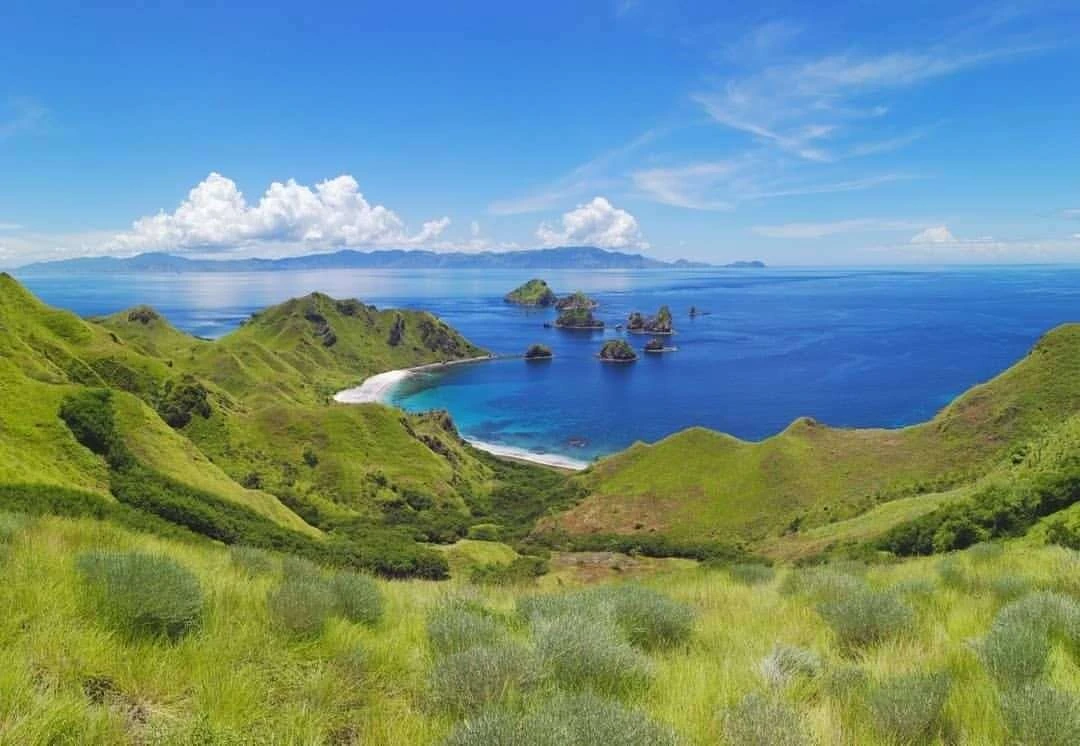

Unlocking New Horizons: The Rise of Investment in Bima, Sumbawa
In recent years, investor interest has begun shifting beyond the crowded shores of Bali toward emerging destinations in eastern Indonesia, most notably Bima, Sumbawa. This strategic region is quietly evolving into one of the country’s most promising frontiers for sustainable business growth, offering lower operational costs, vast natural resources, and supportive local governments eager to attract new ventures.
The growing attention toward Bima and Dompu isn’t accidental. Improved infrastructure, renewable energy projects, and accessible trade routes connecting to major ports in West Nusa Tenggara have transformed these areas into fertile ground for agriculture, aquaculture, tourism, and small-scale manufacturing investments. Investors seeking early entry into an underdeveloped yet high-potential market are finding that Sumbawa offers both affordability and authenticity without the oversaturation and rising land prices seen in Bali.
This article explores why foreign investors are increasingly drawn to Bima and Dompu, comparing their business environments, legal frameworks, and incentive structures. It also breaks down practical insights on costs, workforce readiness, and available support services for setting up operations. By the end, readers will understand not only why these regions are becoming attractive, but also how to enter the market strategically and compliantly.
In essence, Bima, Sumbawa is no longer a distant name on the investment map, it’s the next destination for those ready to build the future of Indonesia’s eastern frontier.
The Emerging Magnet: Why Bima & Dompu Are Gaining Investor Attention
The once-overlooked regions of Bima, Sumbawa are rapidly transforming into new focal points for investment in Indonesia’s eastern corridor. Backed by the West Nusa Tenggara (NTB) Provincial Government, these districts are now central to the province’s strategic roadmap to diversify its economy beyond tourism-heavy Lombok. This push is driven by NTB’s vision to balance regional development, spreading opportunities across sectors like renewable energy, agri-business, and sustainable tourism.
According to the NTB Provincial Development Plan (RPJMD) and recent policy updates, Bima and Dompu have been earmarked for targeted investment due to their abundant land availability, expanding energy capacity, and proximity to key maritime routes. The “Energy for NTB Mandiri” program, in collaboration with private and international partners, is fostering renewable energy initiatives, particularly wind and solar making the region attractive for green industry investors. Reports from ea-energianalyse.dk highlight NTB’s ongoing studies to integrate wind resources in Bima’s coastal areas, which could further cut operational costs for industries requiring stable energy sources.
Infrastructure plays a critical role in this transformation. Recent upgrades in road networks, airport expansions, and port modernization, especially at Bima Port and the Sape Ferry Terminal are strengthening connectivity between Sumbawa, Lombok, and other key logistics hubs. Power grid extensions now reach remote production zones, minimizing energy disruptions and enabling reliable operations for manufacturing, cold storage, and tourism facilities.
These developments directly support NTB’s ambition to attract foreign capital while reducing dependence on Bali and Lombok as the region’s primary economic engines. For investors seeking affordable land, resource access, and growing market potential, Bima, Sumbawa represents a well-positioned gateway to long-term, sustainable returns.
In short, government alignment, energy innovation, and improved logistics are collectively turning Bima, Sumbawa from a quiet coastal area into a high-potential investment landscape, where early movers stand to gain the most.
Real Investment Opportunities: Five High-Potential Sectors in Bima & Dompu
Foreign investors exploring Bima, Sumbawa are finding that the region’s promise extends well beyond its natural beauty. From renewable energy to logistics infrastructure, a range of projects align with both Indonesia’s national investment priorities and NTB’s provincial development roadmap. Below are five sectors with tangible potential, supported by on-ground resources, government backing, and improving infrastructure.
A. Renewable Energy & Solar Farms
With vast open land and some of the highest solar irradiation rates in Indonesia, Sumbawa offers a compelling opportunity for renewable energy projects. The NTB government’s Renewables Roadmap (see renewablesroadmap.iclei.org) identifies the Bima–Dompu corridor as a pilot area for solar farms and microgrid systems. Upgraded transmission networks, such as those planned by PLN under the “Energy for NTB Mandiri” program, make feasibility stronger than ever. For foreign investors, CAPEX entry levels for mid-scale solar installations start from approximately USD 800,000–1 million, with viable ROI timelines of 6–8 years under current energy tariffs.
B. Agri-Value Chains & Cattle Farming
Agriculture remains the economic backbone of Bima, Sumbawa, offering ample space for integrated farming ventures. The area’s fertile plains and low population density enable large-scale cattle breeding and crop processing at competitive costs. Supported by initiatives like Windonesia, the NTB government encourages collaboration between local cooperatives and private investors in livestock genetics, feed production, and export supply chains. Land leasing costs average 40–60% lower than Lombok, making Bima and Dompu ideal for agri-value chain investments that can achieve operational readiness within 12–18 months.
C. Eco-Hospitality & Sustainable Tourism
In Dompu’s rolling hills and Bima, Sumbawa’s coastal hinterlands, the next wave of hospitality growth is emerging, not in mega-resorts but in eco-resorts, glamping sites, and small-scale retreats. Investors can capitalize on unspoiled landscapes, direct beach access, and adventure tourism demand (surfing, trekking, cultural stays). With land acquisition and construction costs significantly below Bali’s, a 10–15-room eco-lodge can reach break-even within five years, especially when targeting niche travelers seeking off-grid experiences.
D. Minerals & Downstream Processing
Bima, Sumbawa is already known for its rich mineral resources, particularly gold and copper. Companies like Sumbawa Timur Mining are pioneering responsible extraction and local community programs. However, the government’s focus is shifting toward downstream processing and sustainable mining, inviting investors to participate in refining facilities, recycling plants, and community-linked industrial parks. With incentives for green technology integration, entry timelines range from 18–36 months depending on project scale.
E. Logistics, Cold Storage & Agri-Processing
The expanding port and airport infrastructure across Bima, Sumbawa underpins a growing demand for cold storage, warehousing, and transport-linked services. These facilities are critical for both agriculture and tourism supply chains, ensuring product freshness and export reliability. With regional incentives for logistics operators, foreign businesses can expect scalable investment opportunities with moderate CAPEX (USD 500,000–800,000) and operational readiness within 12 months.
In summary, Bima, Sumbawa offers realistic, scalable, and sustainable opportunities across five key sectors, all supported by policy alignment, improving connectivity, and a government eager to attract responsible investors ready to help shape NTB’s next economic chapter.
Comparing the Numbers: Investment Costs and Financial Realities Beyond Bali
When foreign investors consider expanding beyond Bali or Lombok, Bima, Sumbawa often stands out for its lower entry costs and improving infrastructure. Understanding the cost structures, from land leases to utilities is key to building a sustainable business model in this emerging region.
Land, Lease, and Labour: A Competitive Advantage
In Bima, Sumbawa, land leasing costs are typically 60–75% lower than comparable coastal zones in southern Bali. Prime beachfront plots range between IDR 10–20 million per are per year, while inland agricultural land suitable for solar or agribusiness projects can drop below IDR 3 million per are. Dompu, in particular, offers flexible leasing for foreign-invested companies under long-term agreements.
Labour expenses further tilt the balance. Minimum wages in West Nusa Tenggara (NTB) average IDR 2.4–2.6 million per month, compared to Bali’s IDR 2.8–3.5 million depending on regency. This cost efficiency supports both small-scale hospitality ventures and industrial projects requiring operational manpower.
Utilities and Connectivity: Reliability Improving with PLN Grid Expansion
Power reliability, once a constraint is steadily improving. According to Gatrik’s PLN RUPTL 2024–2033, new substations and distribution lines in Bima, Sumbawa are integrating the region into the NTB energy grid, reducing diesel reliance. This enhances feasibility for renewable projects and tourism developments that require stable electricity. Internet access has also grown, supported by Palapa Ring East fiber connectivity and satellite backups for remote zones.
Capex, Opex, and Incentive Impact
Realistically, capital expenditure for a 10-room eco-lodge in Bima or Dompu starts around USD 400,000–600,000, depending on materials and import logistics. Operational costs remain modest, with local staffing and utilities averaging 30–40% below Bali’s equivalents.
For a 5–10 MW solar plant, investors should expect a CAPEX range of USD 7–10 million, inclusive of grid interconnection and land preparation. Incentives from NTB’s provincial government, such as simplified permits and potential tax reductions for renewable projects can further improve returns.
In short, Bima, Sumbawa offers a powerful blend of affordability and emerging infrastructure readiness. While logistics add modest overhead due to inter-island shipping, the region’s competitive land and labor costs, coupled with improving PLN connectivity, make it one of Indonesia’s most financially viable frontiers for expansion beyond Bali.
Navigating Permits and Zoning: Understanding the Local Regulatory Landscape
For investors eyeing Bima, Sumbawa, understanding the local permitting and zoning framework is crucial before committing capital. The regulatory landscape here reflects both provincial priorities under West Nusa Tenggara (NTB) and autonomous regency-level controls that govern spatial use, licensing, and community engagement.
Government Structure and Local Authority
Within the NTB framework, each regency, such as Bima and Dompu holds significant authority through its Dinas Penanaman Modal dan Pelayanan Terpadu Satu Pintu (DPMPTSP), which manages local business permits, construction approvals, and operational licenses. The provincial government oversees alignment with broader investment priorities, renewable energy roadmaps, and the NTB Industrial Plan (Rencana Induk Industri Daerah).
Key reference materials, such as the Sumbawa Regency Spatial Plan (RTRW) available at ildis.sumbawakab.go.id, outline designated industrial, agricultural, and tourism zones, vital for ensuring land use compliance.
Practical Permit Checklist
Foreign investors establishing projects in Bima, Sumbawa should follow a structured due diligence process:
- Land title verification (BPN) – Confirm ownership or usage rights (HGB/HGU/HP).
- RTRW zoning validation – Ensure project location aligns with permitted spatial use.
- Environmental approval (UKL/UPL or AMDAL) – Required for projects above certain capacity thresholds.
- Building approvals (IMB/PBG) – Regulated under the updated 2021 Building Law.
- Business identification (NIB via OSS-RBA) – Automatically linked to risk-based licensing classification.
Local Pitfalls and Regional Differences
Investors often face challenges with incomplete land mapping, overlapping ownership claims, or inconsistent application of national rules. Community consent, particularly for coastal or agricultural conversions, is another vital step often underestimated. Bima and Dompu, while neighboring areas, maintain slightly different approval procedures and documentation formats at the regency level.
Unlocking Incentives and Emerging Public-Sector Opportunities
Investors exploring Bima, Sumbawa will find themselves at the intersection of regional ambition and national economic strategy. The West Nusa Tenggara (NTB) Provincial Government has rolled out several strategic programs aimed at stimulating renewable energy, sustainable cattle farming, and eco-tourism, three sectors that align closely with Indonesia’s Green Economy Vision 2045.
Key Provincial and Donor-Linked Initiatives
Under the NTB Energy Transition Roadmap, solar microgrid projects and hybrid systems are being piloted across Bima and Dompu, supported by PLN’s rural electrification schemes and development partners such as Windonesia and ICLEI. Parallel efforts in cattle breeding and sustainable grazing management often backed by climate adaptation funds—aim to turn Sumbawa into an agri-energy hub. Additionally, eco-tourism corridors are being mapped under the NTB Tourism Acceleration Program, positioning Bima, Sumbawa as a new focal point for environmentally conscious investors.
Accessing Incentives and Partnerships
Investors can access fiscal incentives and land-use support through DPMPTSP offices and the BKPM (now BKPM–Ministry of Investment), which streamline permits under the OSS system. Public-Private Partnership (PPP) schemes are open in energy, logistics, and agribusiness infrastructure, providing a lower-risk entry for first movers.
Building Responsible Partnerships: Social & Environmental Priorities
Investing in Bima, Sumbawa requires more than just permits and capital, it demands cultural sensitivity and environmental responsibility. Both Bima and Dompu regencies host diverse rural communities with strong ties to customary (adat) land systems, where informal land claims and community rights can shape project feasibility. Early engagement with village leaders, religious figures, and cooperatives is essential to earning a “social license to operate.”
Environmental Stewardship and Compliance
The ecological profile of Bima, Sumbawa includes dry forests, mangroves, and critical watersheds that are home to unique biodiversity. Investors must integrate UKL-UPL or AMDAL assessments early in project design to prevent environmental harm and meet sustainability criteria under Indonesian law. Responsible sourcing of materials, especially timber or biomass, helps maintain regional ecosystems and aligns with local green standards.
Benefit-Sharing and Inclusive Growth
Projects that prioritize local employment, supplier development, and skills training often enjoy smoother implementation and stronger public support. In this sense, sustainable operations in Bima, Sumbawa are not only a compliance requirement but a smart investment in long-term stability and community goodwill.
Smart Market Entry Strategies for Investors in Bima & Dompu
For investors exploring Bima, Sumbawa, the most effective entry routes depend on project scale, risk appetite, and regulatory complexity. Common structures include joint ventures (JVs) with reputable local partners who understand the land, permits, and community dynamics. Another popular model is lease-and-build, where foreign entities lease land under a PMA company structure and develop assets such as eco-lodges or processing facilities.
In the renewable sector, EPC + O&M (Engineering, Procurement, Construction and Operation & Maintenance) arrangements are increasingly common offering a way to manage technical execution while maintaining ownership and compliance with Indonesian investment laws.
Synergy Pro assists investors through every step of this process, from local partner selection and feasibility and legal due diligence to permit applications, HR setup, and community engagement planning. With a strong regional presence, our team helps foreign businesses enter Bima, Sumbawa markets with confidence, ensuring that deals are structured sustainably and fully aligned with local regulations.
24-Month Roadmap for Launching a Project in Bima & Dompu
A well-planned 24-month investment roadmap is crucial for smooth execution in Bima, Sumbawa.
Phase 1 (0–3 months): Conduct market scoping and local feasibility studies to assess land suitability, zoning compliance, and potential partners. Early engagement with regional authorities helps clarify permit pathways and community expectations.
Phase 2 (3–9 months): Secure land titles, initiate environmental and building permits, and complete company registration (PT or PT PMA). Allocate extra time for due diligence and community consultations, which often shape local acceptance.
Phase 3 (9–18 months): Begin construction and hiring. Set realistic milestones for logistics, contractor mobilization, and workforce training.
Phase 4 (18–24 months): Commission operations, fine-tune supply chains, and plan for expansion or scale-up. Maintaining contingency funds around 10–15% of total CAPEX is recommended to navigate regulatory or logistical delays common in emerging areas like Bima, Sumbawa.
Risks & Mitigation Strategies: Lessons from Real Projects in Bima & Dompu
Investing in Bima, Sumbawa presents promising opportunities but success depends on anticipating real-world risks and applying disciplined mitigation strategies.
Common challenges include land ownership disputes, grid connection delays for renewable projects, and limited availability of skilled technical labor. Supply chain disruptions can also impact construction schedules, particularly during the wet season or when relying on inter-island logistics.
Practical mitigation approaches involve conducting early legal due diligence with local counsel, structuring payments using escrow or retention mechanisms to safeguard project cash flow, and implementing phased development milestones. Investors should also prepare contingency training programs to build local workforce capacity and ensure operational continuity.
By applying these strategies and maintaining close communication with local authorities, investors can navigate challenges effectively and secure long-term project stability across Bima, Sumbawa’s evolving business landscape.
Why Bima & Dompu Deserve Your Attention
The evolving investment landscape of Bima, Sumbawa marks a pivotal shift for forward-looking investors seeking affordability, growth potential, and regional diversification beyond Bali. With competitive land prices, expanding infrastructure, and proactive local governance, Bima and Dompu are emerging as prime alternatives for projects spanning tourism, energy, and agribusiness.
For investors ready to take the next step, Synergy Pro stands ready to guide your journey, from feasibility studies and permit acquisition to compliance management and local partner coordination. Our deep regional expertise ensures that your entry into Bima and Dompu is strategic, compliant, and sustainable from day one.
Now is the time to explore the real potential of Bima, Sumbawa, before the opportunity curve peaks!
Source:
FAQ

Share the blog


Related News


SYNERGY PRO Business & Legal Consulting
Social Media


