.png)


From Lifestyle to Luxury: Essential Facts About Bali Investment Zones You Can’t Ignore in 2026
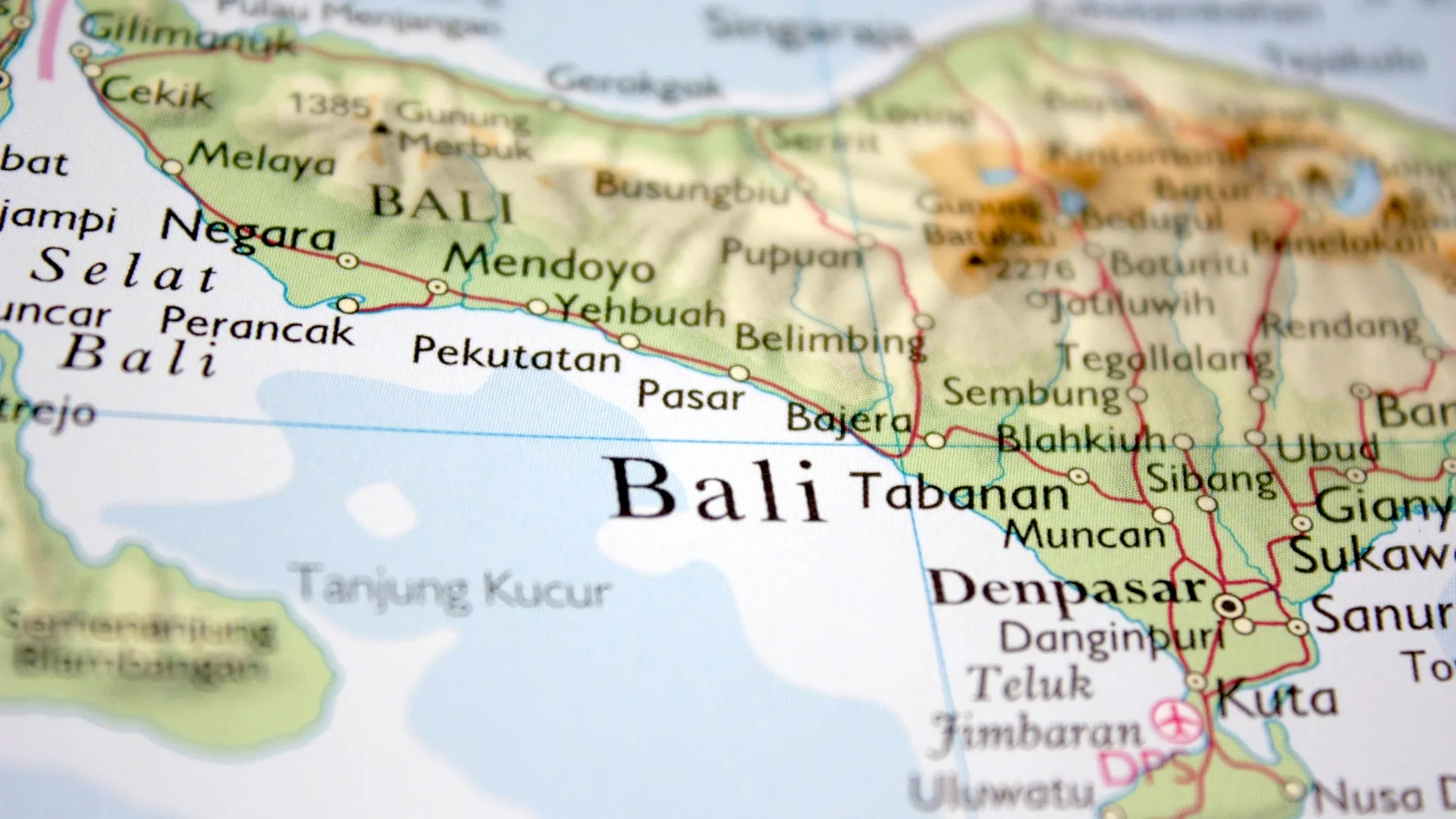
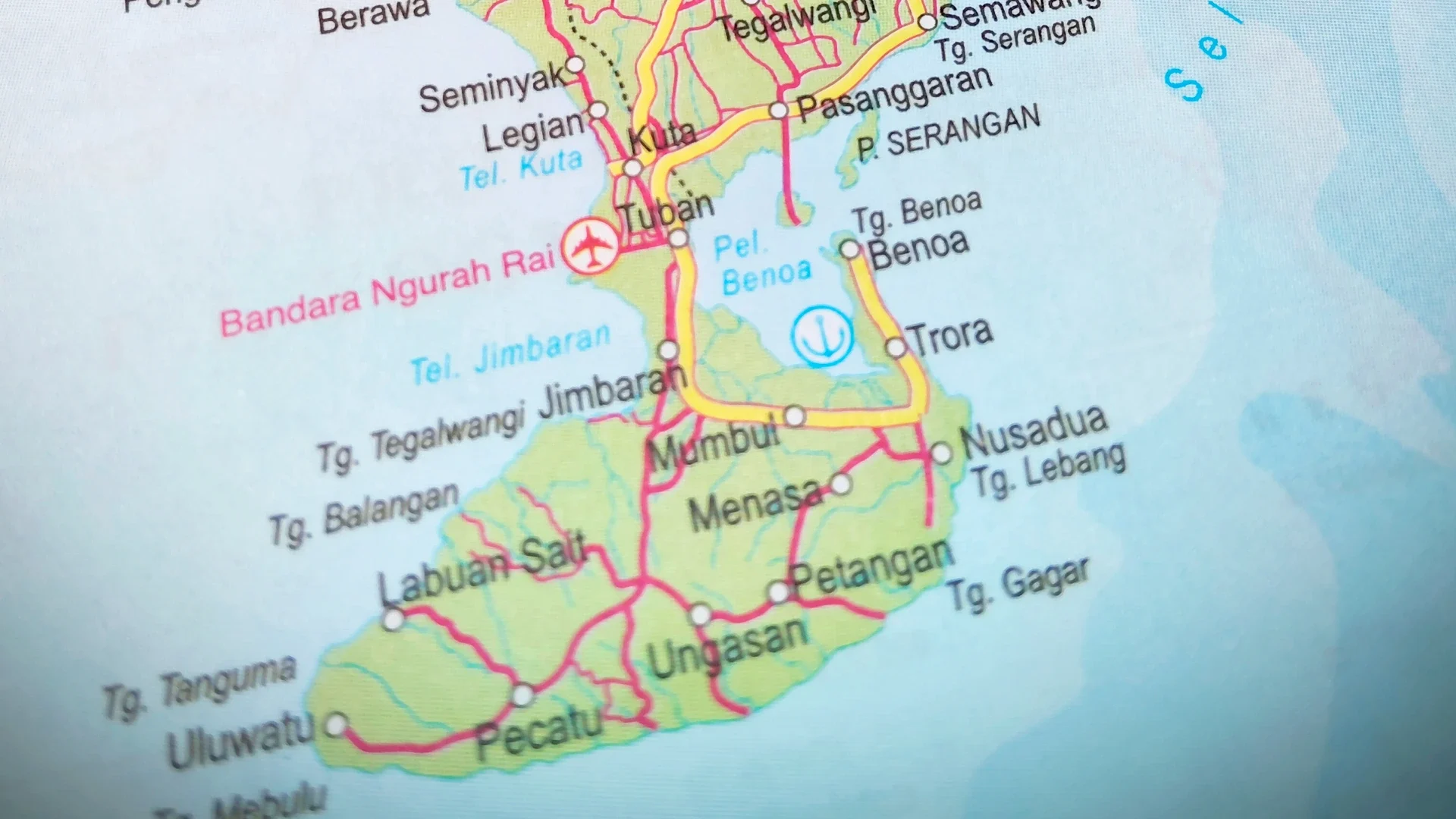
From Lifestyle to Luxury: Understanding Bali’s Key Investment Zones
Bali is often seen as a single destination, but in reality, it is a collection of distinct micro-markets. Each area attracts a different type of investor, guest profile, and business model. Understanding these differences is critical, because choosing the wrong location can impact everything, from occupancy rates to long-term returns.
This is why understanding Bali investment zones is not just helpful, it is essential.
In 2026, Bali’s property landscape is more structured, competitive, and segmented than ever. Investors are no longer simply “buying in Bali.” They are choosing between lifestyle-driven zones, luxury markets, emerging areas, and long-term residential hubs.
Why Bali Is Not One Market
A common mistake many investors make is treating Bali as a single investment environment.
In reality:
- Each area has its own demand profile
- Each zone attracts a different type of guest
- Each location requires a different business strategy
Experts consistently emphasize that location is the most important factor in property investment success in Bali, as each area has distinct rental demand and growth patterns .
This is the foundation of understanding Bali investment zones.
Canggu: The Lifestyle & Digital Nomad Hub
Canggu has become one of the most recognized Bali investment zones, especially for lifestyle-driven investment.
Originally a quiet surf village, it has transformed into a vibrant hub filled with:
- Cafés and co-working spaces
- Beach clubs
- Boutique accommodations
This transformation has made it a magnet for digital nomads and long-stay visitors, creating consistently high rental demand .
Investment Character:
- Strong occupancy rates
- Lifestyle-driven demand
- High competition
However, maturity comes with challenges. As supply increases, investors must differentiate their product to maintain returns. Market saturation is becoming a real consideration in this segment .
This highlights a key principle in Bali investment zones:
Popular does not always mean profitable without strategy.
Seminyak: The Established Luxury Lifestyle Zone
Seminyak represents one of the most mature Bali investment zones, known for:
- High-end dining
- Shopping
- Premium tourism
It remains one of the most stable areas for investment due to consistent demand and strong brand recognition among international travelers .
Investment Character:
- High entry cost
- Stable returns
- Strong short-term rental market
Seminyak is ideal for investors seeking predictability rather than rapid growth.
Within the broader landscape of Bali investment zones, Seminyak offers:
Stability over speculation
Uluwatu: The Rise of Luxury & Exclusivity
Uluwatu has rapidly emerged as a premium segment within Bali investment zones.
Located on the Bukit Peninsula, it is known for:
- Cliffside villas
- Ocean views
- High-end resorts
The area attracts higher-spending visitors and investors seeking exclusivity and long-term value growth .
Investment Character:
- Luxury positioning
- Lower density
- Strong appreciation potential
However, this zone also requires:
- Higher capital
- More complex development planning
Uluwatu reflects a shift in Bali investment zones toward:
Quality over quantity
Ubud: The Wellness & Cultural Market
Ubud represents a completely different category within Bali investment zones.
Instead of beaches and nightlife, it offers:
- Nature
- Culture
- Wellness tourism
Demand here is driven by:
- Retreat centers
- Long-stay visitors
- Eco-conscious travelers
This makes it one of the most resilient niche markets in Bali’s property sector .
Investment Character:
- Lower entry cost
- Niche but stable demand
- Strong long-term positioning
Ubud shows that not all Bali investment zones are driven by tourism volume:
Some are driven by lifestyle philosophy
Sanur: The Underrated Long-Term Market
Sanur is often overlooked, but it is one of the most stable Bali investment zones.
Known for:
- Family-friendly environment
- Calm beaches
- Long-term residents
Sanur is gaining attention due to infrastructure improvements and its appeal to retirees and medical tourism .
Investment Character:
- Moderate demand
- Stable tenant profile
- Lower volatility
Sanur represents a different side of Bali investment zones:
Stability through long-term living, not short-term tourism
Pererenan & Emerging Areas: The Growth Phase
As established areas become saturated, investors are shifting toward emerging Bali investment zones such as Pererenan.
These areas offer:
- Lower entry prices
- High growth potential
- Expanding infrastructure
Pererenan, in particular, is often seen as the “next Canggu,” benefiting from spillover demand .
Investment Character:
- Early-stage growth
- Higher risk
- Higher upside
This is where Bali investment zones become strategic:
Growth comes from timing, not just location
Matching Investment Strategy to Location
One of the biggest mistakes investors make is choosing location based on trend, not strategy.
Different Bali investment zones align with different goals:
- Short-term rental focus → Canggu, Seminyak
- Luxury positioning → Uluwatu
- Wellness concept → Ubud
- Long-term rental → Sanur
- Growth investment → Pererenan
Choosing the wrong match leads to:
- Low occupancy
- Misaligned pricing
- Weak returns
Understanding Bali investment zones is ultimately about alignment.
Common Mistake: Copying Other Investors
Many investors enter Bali by copying what others are doing.
For example:
- Building a luxury villa in a mid-market area
- Creating a wellness retreat in a party-focused zone
- Entering saturated markets without differentiation
This is where misunderstanding Bali investment zones becomes costly.
2026 Trend: Market Maturity & Segmentation
In 2026, Bali’s property market is evolving rapidly:
- Increased competition
- More defined market segments
- Higher expectations from guests
This means:
Generic investments no longer work
Success now depends on:
- Concept clarity
- Location alignment
- Compliance and structure
And at the center of all of this is understanding Bali investment zones.
The Strategic Takeaway
Bali is no longer just a lifestyle destination, it is a structured investment environment.
Each zone represents:
- A different market
- A different strategy
- A different risk profile
Investors who succeed are not those who follow trends, but those who understand the structure behind Bali investment zones.
Source:
FAQ

Share the blog


Related News


SYNERGY PRO Business & Legal Consulting
Social Media


