.png)


Game-Changing Reasons Sumbawa Livestock Investment Is Indonesia’s Next Big Agribusiness Opportunity in 2026
Sumbawa Livestock Investment: Unlocking Indonesia’s Next Agribusiness Frontier
Sumbawa is increasingly gaining attention as one of Indonesia’s most promising regions for agricultural and livestock development. Known historically as a major cattle-producing island, the region now stands at a turning point. The conversation is no longer just about farming, it is about building a complete ecosystem. This shift makes Sumbawa livestock investment one of the most compelling opportunities for foreign investors seeking long-term growth in Indonesia.
What makes this opportunity particularly attractive is the gap between strong upstream production and underdeveloped downstream industries. While cattle farming has existed for generations, processing industries such as meat packaging, dairy production, and cheese manufacturing remain limited. This imbalance creates a clear entry point for strategic Sumbawa livestock investment.
The Current State of Sumbawa’s Livestock Industry
Sumbawa has long been recognized as a key contributor to Indonesia’s livestock supply, particularly cattle. The island benefits from natural grazing land, a favorable climate, and a deeply rooted farming culture. These factors make it ideal for large-scale livestock development.
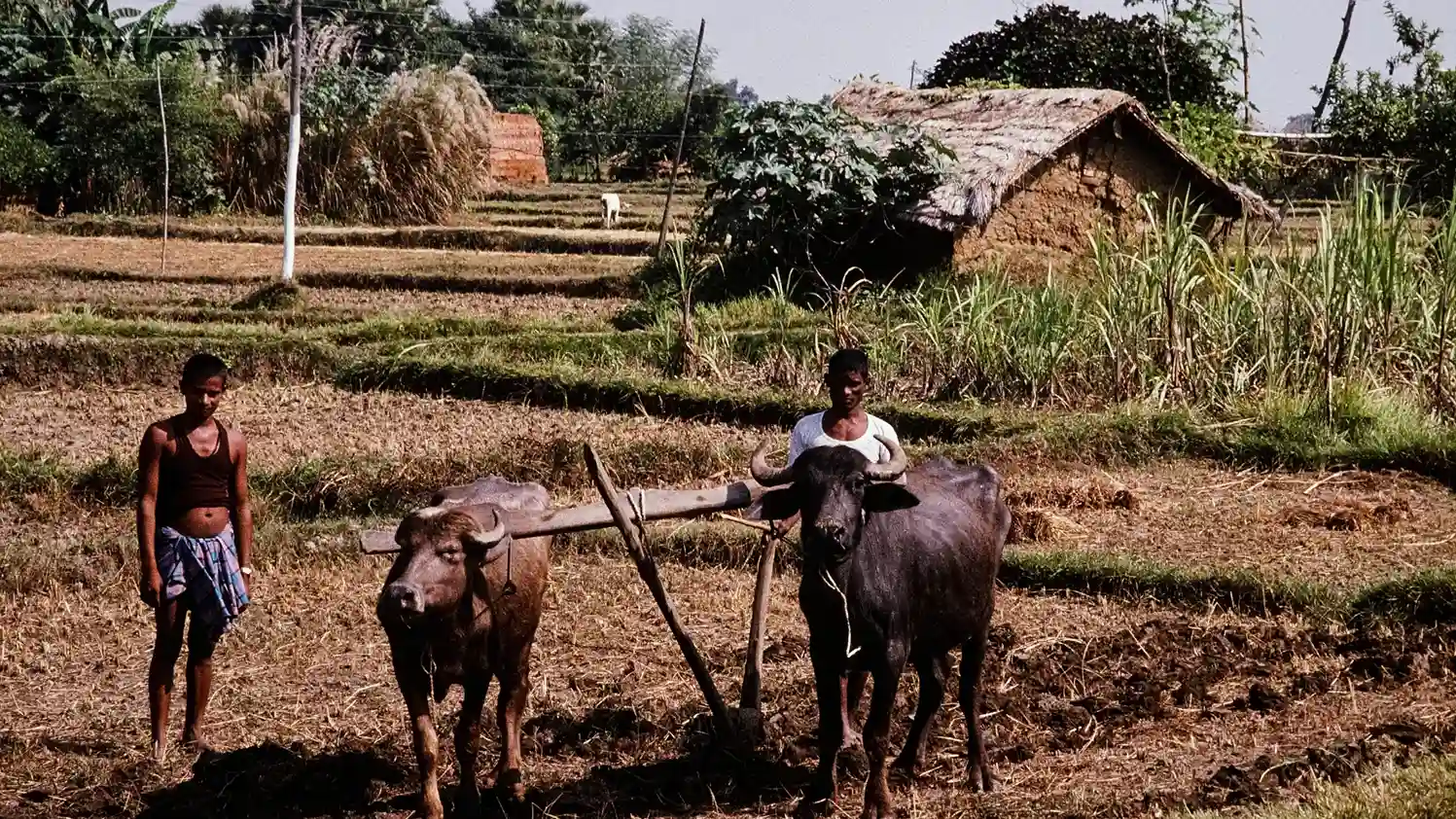
However, despite its strong foundation, the region still operates largely at a traditional level. Most farmers focus on breeding and selling live cattle rather than participating in value-added processing. This is where Sumbawa livestock investment becomes highly relevant. Investors are not entering a saturated market, they are entering a developing ecosystem with significant room for expansion.
The lack of integrated systems, such as cold storage, slaughterhouse modernization, and product processing, means that much of the potential value is currently unrealized. By addressing these gaps, Sumbawa livestock investment can transform the region into a modern agribusiness hub.
Government Support and Policy Direction
Indonesia’s government has made it clear that agriculture and livestock are strategic sectors. The focus has shifted toward “hilirisasi,” or downstream industrialization. This policy aims to ensure that raw agricultural products are processed domestically to increase economic value.
This national direction strongly supports Sumbawa livestock investment, especially in processing industries. Programs related to food security, dairy expansion, and livestock productivity are actively being promoted. The government has also encouraged partnerships between private investors and local farmers to create sustainable supply chains.
Foreign investors exploring Sumbawa livestock investment benefit from this policy environment. Incentives may include easier licensing through the OSS (Online Single Submission) system, tax facilities in certain sectors, and support for infrastructure development. However, these benefits are often tied to compliance and alignment with national priorities.
Why Processing Is the Real Opportunity
While farming remains important, the true potential of Sumbawa livestock investment lies in processing. This includes transforming raw livestock into higher-value products such as packaged meat, dairy products, and specialty foods like cheese.
Meat Processing
Indonesia’s growing population and tourism sector continue to drive demand for high-quality meat products. Sumbawa has the raw supply, but lacks sufficient processing facilities. This creates a strong case for Sumbawa livestock investment in slaughterhouses, cold chain logistics, and meat processing plants.
Dairy and Cheese Production
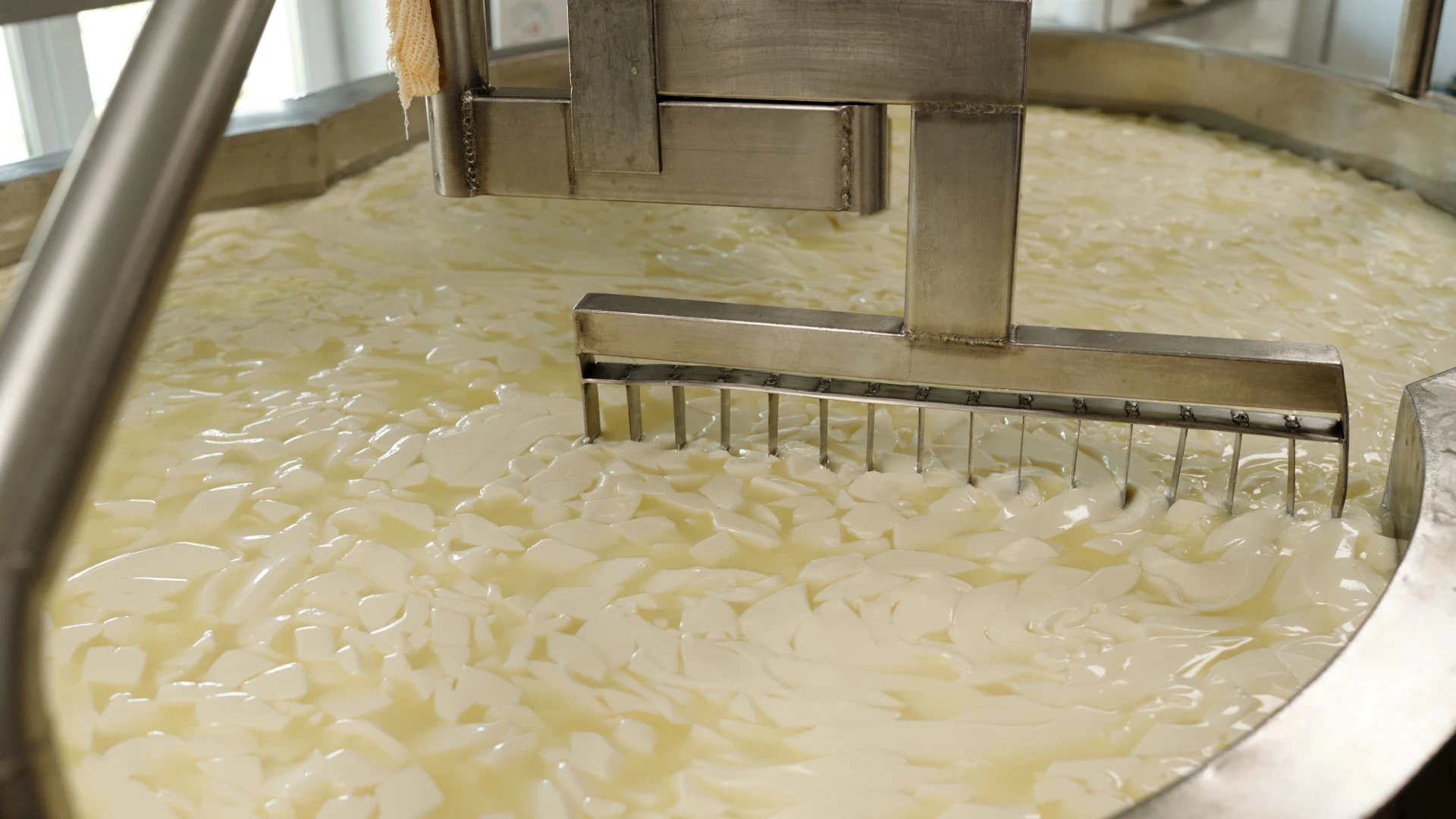
Indonesia still relies heavily on imported dairy products. This dependency opens the door for Sumbawa livestock investment in dairy farming and processing. Cheese production, in particular, is a niche but growing market, especially in regions like Bali where demand from hospitality businesses is high.
Value-Added Products
Beyond basic processing, there is also potential for branded and packaged goods. Premium, organic, or halal-certified products can significantly increase profit margins. Investors focusing on branding and distribution can maximize the returns of their Sumbawa livestock investment.
Can Foreign Investors Participate?
One of the most common questions is whether foreigners can engage in Sumbawa livestock investment. The answer is yes, but with conditions.
Indonesia regulates foreign investment through a positive investment list. Many sectors, including food processing and manufacturing, are open to foreign ownership. This makes downstream activities a key entry point for Sumbawa livestock investment.
However, upstream farming activities may require partnerships with local stakeholders. This aligns with the government’s goal of empowering local communities. As a result, successful Sumbawa livestock investment strategies often involve collaboration rather than full ownership of farming operations.
Business Setup and Compliance Requirements
Establishing a business in Indonesia requires careful planning. For foreign investors, this typically involves setting up a PT PMA (foreign-owned company). This structure is essential for any serious Sumbawa livestock investment.
Key Requirements
- Minimum investment of IDR 10 billion
- Registration through OSS system
- Business Identification Number (NIB)
- Sector-specific licenses
For processing businesses, additional permits are required. These may include food safety certifications, halal certification, and approvals from regulatory authorities. Compliance is a critical component of any Sumbawa livestock investment, and overlooking it can lead to operational delays.
Operational Considerations
Investors must also consider land use regulations, environmental impact assessments, and local permits. Each of these factors plays a role in ensuring that Sumbawa livestock investment projects are legally sound and sustainable.
Key Risks and Realities
While the opportunity is significant, Sumbawa livestock investment is not without challenges. Understanding these risks is essential for long-term success.
Infrastructure Gaps
Sumbawa is still developing its infrastructure. Logistics, cold storage, and transportation systems may require additional investment. This means that Sumbawa livestock investment often involves building supporting infrastructure, not just core business operations.
Supply Chain Complexity
Working with small-scale farmers can present challenges in consistency and quality. Investors must be prepared to invest in training, systems, and partnerships. This is a critical aspect of scaling Sumbawa livestock investment effectively.
Regulatory Complexity
Indonesia’s regulatory environment can be complex, especially for foreign investors. Navigating permits, licenses, and compliance requirements requires expertise. Without proper guidance, Sumbawa livestock investment projects can face delays.
Market Development
While demand exists, building a strong market presence takes time. Branding, distribution, and consumer trust are key factors. Investors must approach Sumbawa livestock investment with a long-term perspective.
Strategic Approach for Investors
To succeed, investors should not view Sumbawa livestock investment as a simple farming business. Instead, it should be approached as an integrated ecosystem.
A successful model may include:
- Partnerships with local farmers
- Investment in processing facilities
- Development of distribution channels
- Focus on branding and value-added products
This integrated approach aligns with government priorities and maximizes the potential of Sumbawa livestock investment.
The Future of Sumbawa Livestock Investment
The future of Sumbawa livestock investment is closely tied to Indonesia’s broader economic strategy. As the country continues to prioritize food security and industrialization, regions like Sumbawa will play a key role.
With the right investment, the island can evolve from a traditional farming region into a modern agribusiness hub. This transformation will not happen overnight, but the direction is clear.
For foreign investors, this represents a unique window of opportunity. Entering the market at this stage allows for early positioning in a sector that is expected to grow significantly in the coming years.
Conclusion
Sumbawa livestock investment offers a rare combination of strong fundamentals and untapped potential. The region’s natural advantages, combined with government support and market demand, create a compelling case for investment.
However, success requires more than capital. It requires strategy, compliance, and a deep understanding of the local ecosystem. Investors who approach Sumbawa livestock investment with a long-term vision and an integrated model are likely to benefit the most.
As Indonesia continues to develop its agricultural sector, Sumbawa stands out as a region to watch. For those willing to navigate the challenges, Sumbawa livestock investment could become one of the most rewarding opportunities in Southeast Asia.
Source:
FAQ

Share the blog


Related News


SYNERGY PRO Business & Legal Consulting
Social Media


