.png)


How to Start Lombok Residency in 2026: Visa, Residency, and Legal Requirements for Foreigners

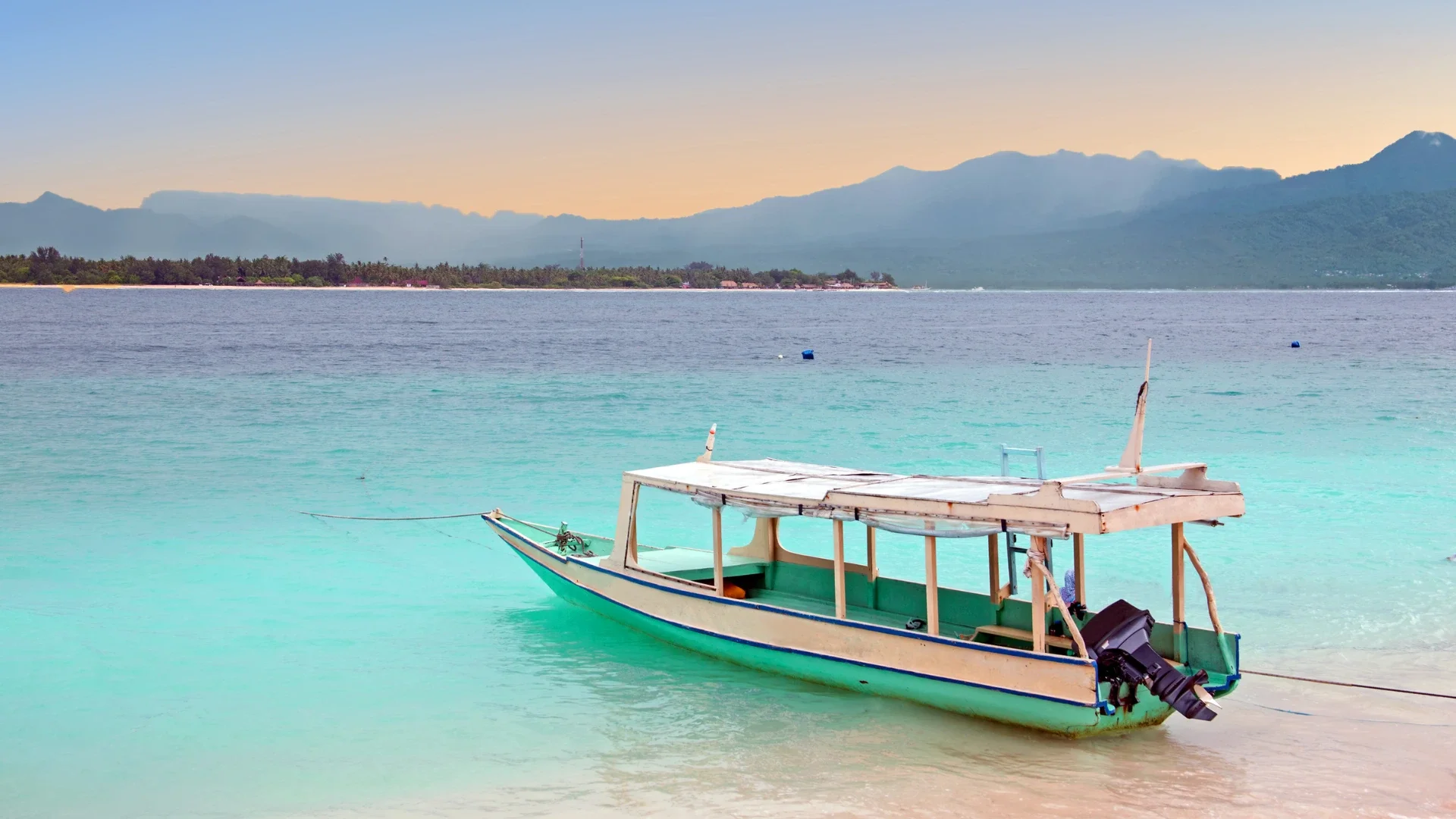
Why Lombok Is Becoming a Popular Residency Destination
In recent years, Lombok has emerged as one of Indonesia’s most attractive destinations for long-term living. Known for its natural beauty, growing tourism sector, and quieter lifestyle compared with Bali, the island is increasingly attracting foreign investors, retirees, and remote entrepreneurs.
For foreigners interested in living in Indonesia, understanding the process of obtaining Lombok Residency is an essential first step. Residency involves more than simply staying in the country, it requires choosing the correct visa, complying with immigration regulations, and understanding local administrative requirements.
The Indonesian government has introduced several visa programs designed to attract international residents, including long-term stay permits and investment-related visas. These options provide various pathways toward Lombok Residency, depending on whether a foreigner plans to retire, work, invest, or run a business.
As Indonesia continues strengthening immigration policies and digitalizing visa applications, obtaining Lombok Residency in 2026 has become more structured and transparent. However, foreigners must still understand the legal framework to avoid immigration violations or administrative complications.
Understanding Lombok Residency Under Indonesian Immigration Law
Before applying for Lombok Residency, it is important to understand how Indonesian immigration law defines residency for foreign nationals.
In Indonesia, long-term residency is typically granted through stay permits such as KITAS (Limited Stay Permit) or KITAP (Permanent Stay Permit). These permits allow foreigners to legally reside in the country for extended periods depending on the visa category.
Most foreigners seeking Lombok Residency begin with a Limited Stay Visa (VITAS), which is converted into a KITAS upon arrival in Indonesia. The permit can be issued for several purposes, including employment, investment, family reunification, or retirement.
Recent digitalization efforts have simplified many immigration procedures. Applications for visas and stay permits can now be submitted through Indonesia’s official e-visa platform, allowing foreigners to begin the Lombok Residency process online before entering the country.
Understanding these legal categories is essential because each type of stay permit comes with different rights and limitations regarding work, investment, and length of stay.
Visa Options for Starting Lombok Residency in 2026
Foreigners who want to establish Lombok Residency can choose from several visa categories depending on their personal goals, professional activities, or investment plans. Indonesia provides multiple stay permit options designed to support foreign investors, professionals, retirees, and long-term residents who wish to live legally in the country. Understanding the available visa pathways is an important step for anyone planning Lombok Residency, as each visa type offers different rights, durations of stay, and administrative requirements.
Below are some of the most common visa options used by foreigners planning to live in Lombok:
- Investor KITAS
The Investor KITAS is designed for foreign nationals who establish or invest in a foreign-owned company (PT PMA) in Indonesia. This visa allows investors to reside in Indonesia while overseeing their business operations and investment activities. Typically valid for one to two years and renewable, the Investor KITAS is widely used by entrepreneurs developing tourism, hospitality, real estate, and other commercial projects. For many foreign business owners, this visa is one of the most practical pathways toward long-term Lombok Residency. - Work KITAS
Foreign professionals who are employed by Indonesian companies may obtain a Work KITAS sponsored by their employer. This visa requires prior approval from the Ministry of Manpower through a document known as the RPTKA (Foreign Worker Utilization Plan). The Work KITAS allows foreign experts to live and work in Indonesia while contributing their professional skills to local industries such as tourism, construction, technology, and hospitality. - Second Home Visa
The Second Home Visa is one of the newest residency programs introduced by the Indonesian government to attract long-term international residents. This visa allows foreigners to stay in Indonesia for five to ten years, provided they demonstrate sufficient financial capability. Applicants must typically show assets or deposits of around IDR 2 billion or more. This option is particularly attractive for retirees, remote professionals, and individuals seeking a stable lifestyle while planning Lombok Residency. - Retirement Visa
Foreigners aged 55 years and older may qualify for a retirement-based visa that allows them to live in Indonesia long term. Applicants must demonstrate financial stability and meet certain accommodation requirements.
Each of these visa categories can support Lombok Residency, but the eligibility criteria, permitted activities, and documentation requirements differ significantly depending on the applicant’s situation.
Legal Requirements for Lombok Residency
Foreign nationals seeking Lombok Residency must comply with several administrative and legal requirements under Indonesian immigration law. These requirements are designed to ensure that foreigners living in Indonesia maintain a valid legal status and follow national regulations governing visas and stay permits. Understanding these obligations is essential for anyone planning long-term Lombok Residency, as failure to comply with immigration rules can lead to fines, visa cancellation, or other legal consequences.
Indonesia’s immigration system requires foreign residents to obtain the appropriate visa before entering the country and complete additional administrative procedures after arrival. The specific requirements may vary depending on the visa category, such as an Investor KITAS, Work KITAS, Second Home Visa, or Retirement Visa. However, there are several general documents and conditions that apply to most residency applications.
Typical legal requirements include:
- A Passport Valid for at Least Six Months
Foreign nationals must hold a passport that remains valid for a minimum period of six months at the time of entering Indonesia. In many cases, longer validity may be required depending on the type of visa being applied for. - Visa Approval Before Entry into Indonesia
Most residency visas require pre-approval through Indonesia’s immigration system before the applicant travels to the country. Once approved, the visa allows the individual to enter Indonesia and proceed with further administrative steps. - Sponsorship from a Company, Spouse, or Institution
Certain visas require an official sponsor. For example, a Work KITAS is sponsored by an Indonesian employer, while a family visa may be sponsored by an Indonesian spouse. - Proof of Financial Capacity or Investment
Some visa programs require applicants to demonstrate financial stability. This may include proof of income, bank deposits, or investment in Indonesian businesses. - Immigration Registration After Arrival
After entering Indonesia, foreigners must complete additional registration procedures with local immigration authorities to finalize their residency status.
In addition to these requirements, foreigners must provide documentation explaining the purpose of their stay, such as employment contracts, business activities, or retirement plans. Indonesian immigration law also requires residents to report important personal changes, including changes of address, marital status, or occupation.
Maintaining compliance with these administrative rules helps ensure that Lombok Residency remains legally valid while allowing foreigners to live in Indonesia with confidence and security.
Property and Living Arrangements for Lombok Residency
Foreigners planning Lombok Residency often consider housing arrangements as one of the most important aspects of relocating to the island. Whether the goal is long-term living, retirement, or business investment, having a clear understanding of Indonesia’s property regulations is essential. While Lombok offers many attractive housing options, from beachfront villas to modern residential developments, foreign residents must ensure that their property arrangements comply with Indonesian land ownership laws.
Under Indonesian law, foreigners are generally not permitted to directly own land under freehold title (Hak Milik). However, the legal framework provides several alternative property rights that allow foreign residents to legally live in Indonesia. One of the most commonly used rights is Hak Pakai (Right to Use), which allows foreigners to occupy and use property for a specified period under certain conditions. This right can typically be granted for an initial term and extended according to government regulations.
For many individuals planning Lombok Residency, leasing property is the most straightforward and flexible option. Long-term lease agreements are widely used across Indonesia and allow foreign residents to secure accommodation without dealing with complex ownership structures. In addition, some foreigners choose to invest in condominiums or hospitality developments that are structured to comply with Indonesian property regulations.
Foreign residents establishing Lombok Residency often choose between several housing and investment arrangements:
- Leasing Villas or Houses Long-Term
Long-term leases are common for expatriates and retirees who want flexibility while living in Lombok. - Purchasing Condominium Units Under Permitted Titles
In certain developments, foreigners may legally purchase strata-title units under property schemes that comply with Indonesian regulations. - Investing in Tourism or Hospitality Businesses
Some foreigners establish companies and invest in hotels, resorts, or villas as part of their broader investment and residency strategy. - Using Hak Pakai (Right to Use) for Residential Property
This legal right allows foreigners to occupy property for residential purposes under a government-approved arrangement.
Understanding these property options is essential for anyone pursuing Lombok Residency, as proper planning helps ensure that housing arrangements remain fully compliant with Indonesian property and investment laws.
Administrative Steps After Arriving in Lombok
After entering Indonesia with the appropriate visa, foreign nationals must complete several administrative procedures to finalize their legal stay. These steps are essential for activating the residency permit and ensuring that Lombok Residency is officially recognized by Indonesian immigration and local government authorities. Although the exact procedures may vary depending on the visa category, most foreigners must complete a series of registrations and document verifications shortly after arrival.
Many residency visas begin with a VITAS (Limited Stay Visa) issued before entering Indonesia. Once the foreigner arrives in the country, this visa must be converted into a KITAS (Limited Stay Permit), which serves as the official residency permit. Completing this conversion is one of the most important steps in establishing Lombok Residency, as it confirms the individual’s legal right to stay in Indonesia for an extended period.
In addition to immigration processing, foreigners are usually required to register their presence with local authorities. This ensures that government institutions maintain accurate records of foreign residents living in the region. These administrative steps are part of Indonesia’s broader system for monitoring residency status and maintaining compliance with immigration regulations.
Typical administrative steps after arrival include:
- Biometric Registration at Immigration Offices
Foreign residents may be required to visit the local immigration office to provide biometric data such as fingerprints and photographs. This information is used to issue official residency documents. - Conversion of VITAS to KITAS
If the foreigner entered Indonesia using a VITAS, it must be converted into a KITAS shortly after arrival. This process formally activates the residency permit. - Registration with the Local Civil Registry (Disdukcapil)
Some visa holders must report their presence to the local population and civil registration office to record their residency status. - Obtaining a Residence Certificate or Identification Documents
Depending on the visa type, foreigners may receive additional documentation confirming their legal residence. - Address Registration with Local Authorities
Foreign residents are often required to report their residential address to local authorities shortly after arrival.
Completing these procedures helps ensure that Lombok Residency is fully compliant with Indonesian immigration rules. Proper registration not only avoids administrative complications but also allows foreign residents to access various services and conduct activities legally during their stay in Indonesia.
Benefits of Living in Lombok as a Foreign Resident
Establishing Lombok Residency offers several advantages for foreigners seeking a lifestyle in Indonesia.
Key benefits include:
- Lower cost of living compared with major international cities
- Growing tourism and investment opportunities
- Access to beautiful natural landscapes and beaches
- A quieter environment compared with more crowded destinations
The Indonesian government is also investing heavily in infrastructure in Lombok, including tourism development projects and international events that attract global attention.
These developments are expected to further increase the appeal of Lombok Residency for foreign entrepreneurs, retirees, and remote professionals.
Common Mistakes Foreigners Make When Applying for Lombok Residency
While the process of obtaining Lombok Residency has become easier in recent years, foreigners still make several common mistakes.
These include:
- Choosing the wrong visa category
- Misunderstanding work restrictions under certain visas
- Failing to report changes in personal information
- Overstaying their permitted stay
Immigration violations can result in fines, deportation, or blacklisting from entering Indonesia again.
To avoid these risks, foreigners planning Lombok Residency should carefully review visa conditions and maintain compliance with immigration regulations.
Planning Lombok Residency the Right Way
Lombok is rapidly emerging as one of Indonesia’s most attractive destinations for foreign residents. With its natural beauty, growing infrastructure, and increasing international attention, the island offers exciting opportunities for those seeking a new place to live or invest.
However, successfully obtaining Lombok Residency requires careful planning, the right visa selection, and full compliance with Indonesian immigration laws.
By understanding visa options, legal requirements, and administrative procedures, foreigners can establish Lombok Residency smoothly while avoiding unnecessary legal complications.
As Indonesia continues developing its immigration system and introducing new residency programs, Lombok is expected to become an increasingly popular choice for international residents looking to build a life in Indonesia.
Source:
FAQ

Share the blog


Related News


SYNERGY PRO Business & Legal Consulting
Social Media


