.png)


Indonesia Seaweed Investment: 7 High-Growth Opportunities Driving Indonesia’s Blue Economy Revolution
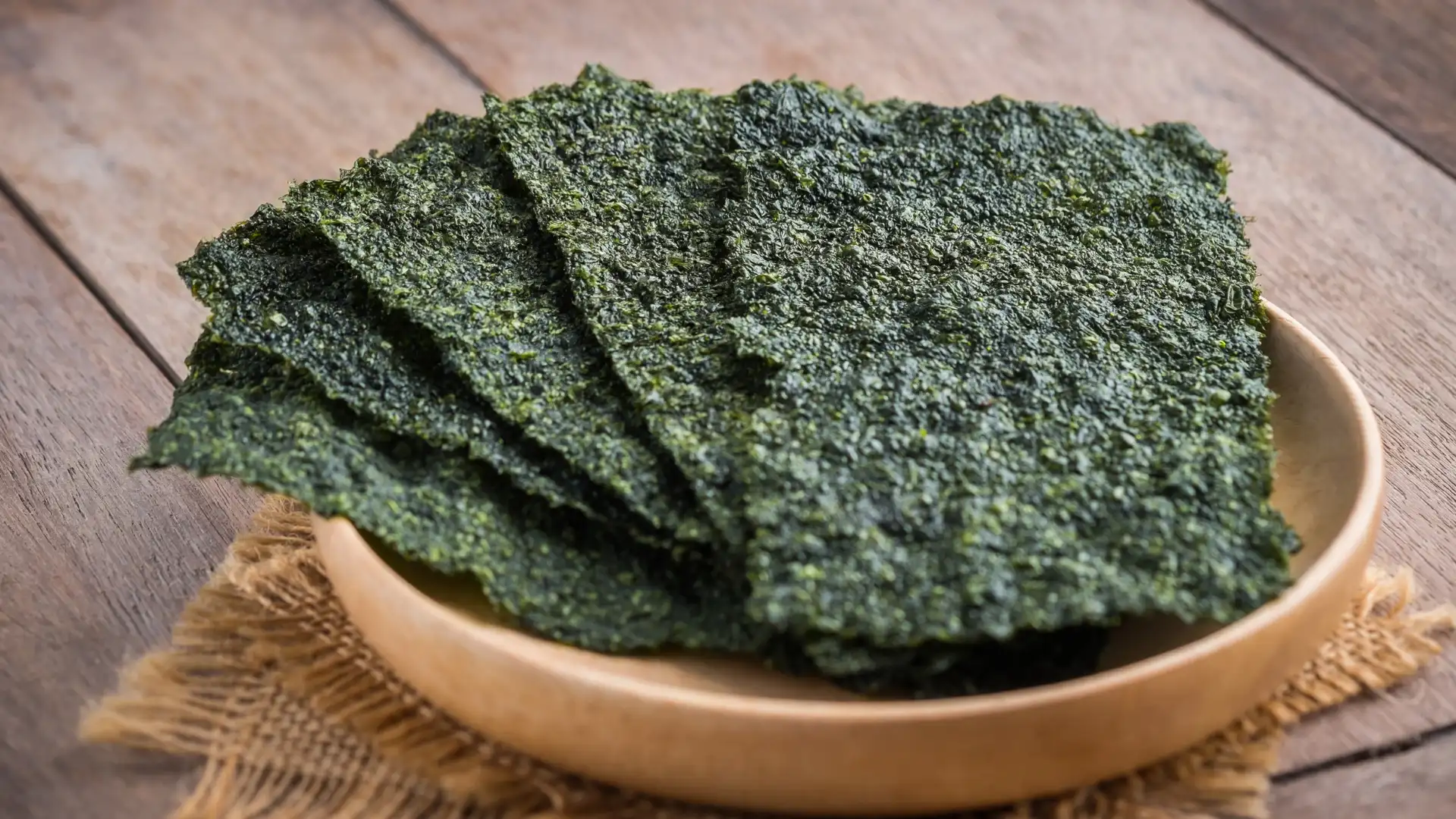
Indonesia has long been recognized as one of the world's leading maritime nations. With more than 17,000 islands, vast coastlines, and some of the richest marine ecosystems on Earth, the country possesses enormous potential to build a sustainable blue economy. Today, one sector is rapidly emerging as a strategic priority for both policymakers and investors: Indonesia seaweed investment.
Often referred to as the next "green gold," seaweed is attracting growing attention due to its applications in food production, pharmaceuticals, cosmetics, fertilizers, animal feed, bioplastics, renewable energy, and sustainable packaging. Government officials have identified seaweed as one of Indonesia's key downstreaming priorities, with increasing investor interest from both domestic and international markets.
For foreign investors, entrepreneurs, agribusiness operators, aquaculture companies, and sustainable investment funds, Indonesia seaweed investment presents a unique opportunity to participate in one of Southeast Asia's most promising blue economy sectors.
Why Seaweed Is Becoming Indonesia's Next Green Gold
Indonesia is currently one of the world's largest seaweed producers and possesses ideal environmental conditions for cultivation. Located in tropical waters with year-round sunlight, the country offers natural advantages that support continuous production cycles and relatively low cultivation costs.
Government agencies have increasingly emphasized that exporting raw seaweed alone does not fully capture its economic value. Instead, Indonesia seeks to expand downstream processing, transforming raw seaweed into higher-value products that generate greater economic returns.
Recent government studies indicate that downstream processing may increase product value by up to thirteen times compared to exporting raw materials. This potential explains why Indonesia seaweed investment has become a major topic within national downstreaming strategies.
The shift mirrors Indonesia's broader economic policy of encouraging domestic processing rather than relying solely on commodity exports. While downstreaming is commonly associated with minerals such as nickel, policymakers are increasingly applying similar strategies to fisheries and marine resources, including seaweed.
The Government's Growing Commitment to Seaweed Development
Indonesia's Ministry of Investment and Downstreaming has identified seaweed as a strategic commodity capable of supporting economic growth, export diversification, coastal welfare, and sustainable industrial development. Investment Minister Rosan Roeslani has publicly stated that seaweed development is among the government's downstreaming priorities.
Several initiatives are currently underway:
- Seaweed downstreaming feasibility studies
- Pilot cultivation projects
- Development of seaweed-based fertilizers
- Research into biofuel production
- Promotion of value-added processing facilities
- Investment matching programs
- Expansion of coastal economic development
These efforts demonstrate the increasing importance of Indonesia seaweed investment within Indonesia's broader economic strategy.
Opportunity #1: Carrageenan and Agar Processing Facilities
One of the strongest opportunities within Indonesia seaweed investment involves carrageenan and agar production.
Carrageenan and agar are natural hydrocolloids extracted from seaweed and widely used in:
- Food manufacturing
- Beverage production
- Dairy products
- Pharmaceuticals
- Cosmetics
- Personal care products
Global demand for these ingredients continues to expand due to increasing consumer preferences for natural additives and plant-based products.
Historically, Indonesia exported large quantities of raw seaweed while higher-value processing occurred elsewhere. Today, investors are increasingly exploring domestic processing facilities capable of producing refined carrageenan and agar products for both local and export markets.
For foreign investors seeking industrial-scale opportunities, this segment represents one of the most mature areas of Indonesia seaweed investment.
Opportunity #2: Seaweed-Based Fertilizers and Biostimulants
Agricultural applications represent another major growth segment.
The Ministry of Marine Affairs and Fisheries has actively promoted seaweed-based fertilizers as part of Indonesia's food security strategy. Government-supported programs are already producing liquid fertilizers derived from various seaweed species. Officials estimate these products can support hundreds of thousands of hectares of agricultural land.
Benefits of seaweed-based fertilizers include:
- Improved soil quality
- Enhanced crop productivity
- Reduced dependence on chemical inputs
- Environmental sustainability
- Support for organic farming systems
As global agriculture increasingly adopts sustainable solutions, Indonesia seaweed investment in fertilizer production offers substantial long-term potential.
International demand for biostimulants is also expanding rapidly, creating opportunities for export-oriented manufacturing facilities. UNIDO has identified biostimulants as one of the high-growth applications capable of significantly increasing value-added production within Indonesia's seaweed industry.
Opportunity #3: Sustainable Packaging and Bioplastics
Plastic pollution remains a major global challenge.
Governments, corporations, and consumers increasingly seek alternatives to traditional petroleum-based plastics. Seaweed-derived materials offer promising solutions.
Research and commercial development efforts are currently exploring:
- Biodegradable packaging
- Seaweed-based straws
- Compostable containers
- Flexible packaging materials
- Sustainable consumer products
Officials have specifically highlighted seaweed-based straws as an example of promising downstream products attracting investor interest.
As environmental regulations tighten globally, Indonesia seaweed investment in bioplastics and sustainable packaging may benefit from both regulatory support and growing consumer demand.
Indonesia's own efforts to reduce plastic waste further strengthen the market outlook for seaweed-derived packaging solutions.
Opportunity #4: Food and Functional Nutrition Products
Food remains the largest market for seaweed products worldwide.
Industry experts project global seaweed demand could reach 40–43 million tons by 2029, with ready-to-eat food products remaining the dominant segment.
Within the food sector, Indonesia seaweed investment opportunities include:
- Seaweed snacks
- Functional foods
- Plant-based ingredients
- Nutritional supplements
- Alternative proteins
- Food additives
- Health beverages
Consumer interest in healthy, sustainable, and plant-based products continues to rise across Asia, Europe, and North America.
Indonesia's abundant raw material supply creates a competitive advantage for companies seeking to develop value-added food products from seaweed. The country's growing processing capabilities could help transform it from a raw material supplier into a global producer of premium food ingredients.
Opportunity #5: Renewable Energy and Biofuel Development
Renewable energy is becoming increasingly important worldwide.
Seaweed offers intriguing possibilities as a feedstock for biofuel production. Government officials have discussed the potential for seaweed-derived bioethanol and other renewable fuel applications as part of Indonesia's broader sustainability agenda.
Potential applications include:
- Bioethanol
- Sustainable aviation fuel
- Renewable chemicals
- Green industrial feedstocks
Although commercial-scale implementation remains under development, the long-term potential is substantial.
Studies referenced by policymakers suggest that large-scale seaweed cultivation could contribute meaningfully to future renewable fuel production. This emerging sector may become one of the most innovative areas of Indonesia seaweed investment over the next decade.
Opportunity #6: Cosmetics and Personal Care Manufacturing
The cosmetics industry increasingly favors natural ingredients.
Seaweed extracts are widely used in:
- Skin care products
- Moisturizers
- Anti-aging treatments
- Hair care products
- Beauty supplements
- Wellness products
Consumers often associate marine-derived ingredients with health, sustainability, and premium quality.
This trend creates attractive opportunities for Indonesia seaweed investment in cosmetic ingredient production and finished consumer products.
According to industry experts, innovation in cosmetics remains one of the promising non-food applications capable of generating significant value-added growth.
Indonesia's growing beauty industry and export ambitions further enhance market potential.
Opportunity #7: Integrated Coastal Development and Aquaculture Clusters
Beyond processing, Indonesia seaweed investment also creates opportunities through integrated coastal development.
Approximately one-quarter of Indonesia's population lives in coastal areas. Policymakers view seaweed cultivation as a practical mechanism for improving community livelihoods while supporting environmental sustainability.
Integrated aquaculture systems may combine:
- Seaweed cultivation
- Fish farming
- Lobster farming
- Abalone production
- Sustainable marine tourism
These diversified models help strengthen economic resilience while maximizing the productivity of coastal resources.
Large-scale seaweed cultivation projects are already being explored in locations including Bali and Lombok through pilot programs and feasibility studies involving international research institutions.
For impact investors and sustainable development funds, this represents an attractive dimension of Indonesia seaweed investment.
Why Bali, Lombok, and Eastern Indonesia Matter
Many investors naturally focus on Bali, Lombok, and Eastern Indonesia when evaluating Indonesia seaweed investment opportunities.
Several factors support this interest:
- Favorable marine conditions
- Existing cultivation activities
- Government pilot projects
- Growing infrastructure investment
- Strong export potential
- Coastal workforce availability
Recent studies have specifically examined seaweed development opportunities in Bali and Lombok as part of broader downstreaming initiatives.
These regions could become important hubs for future processing facilities and export-oriented production.
Regulatory Considerations for Investors
Foreign investors interested in Indonesia seaweed investment should evaluate several regulatory areas before entering the market.
These may include:
- PT PMA establishment requirements
- Business licensing through OSS-RBA
- Environmental approvals
- Fisheries and aquaculture regulations
- Land and coastal utilization permits
- Product certification requirements
- Export licensing obligations
- Food and cosmetic registrations
Depending on the specific business model, additional permits may be required from relevant ministries and government agencies.
Indonesia continues improving investment procedures through digital licensing systems and downstream investment incentives, but regulatory due diligence remains essential for successful project development.
Challenges Investors Should Consider
While opportunities are significant, Indonesia seaweed investment is not without challenges.
Several industry reports highlight issues including:
- Limited domestic processing capacity
- Supply chain fragmentation
- Quality consistency concerns
- Traceability requirements
- Infrastructure limitations
- Export competitiveness challenges
UNIDO has emphasized the need for stronger processing capacity, certification systems, digital traceability, and supply chain improvements to unlock the sector's full potential.
Interestingly, discussions among aquaculture entrepreneurs also highlight the importance of moving beyond raw seaweed exports toward higher-value processing activities. Community observations suggest that profitability increases substantially when companies focus on derivative products rather than raw commodity sales.
Source:
FAQ

Share the blog


Related News


SYNERGY PRO Business & Legal Consulting
Social Media


