.png)


New Local Rules, Real Business Impact: The Growing Role of Regional Regulations, Perda No. 4 2026
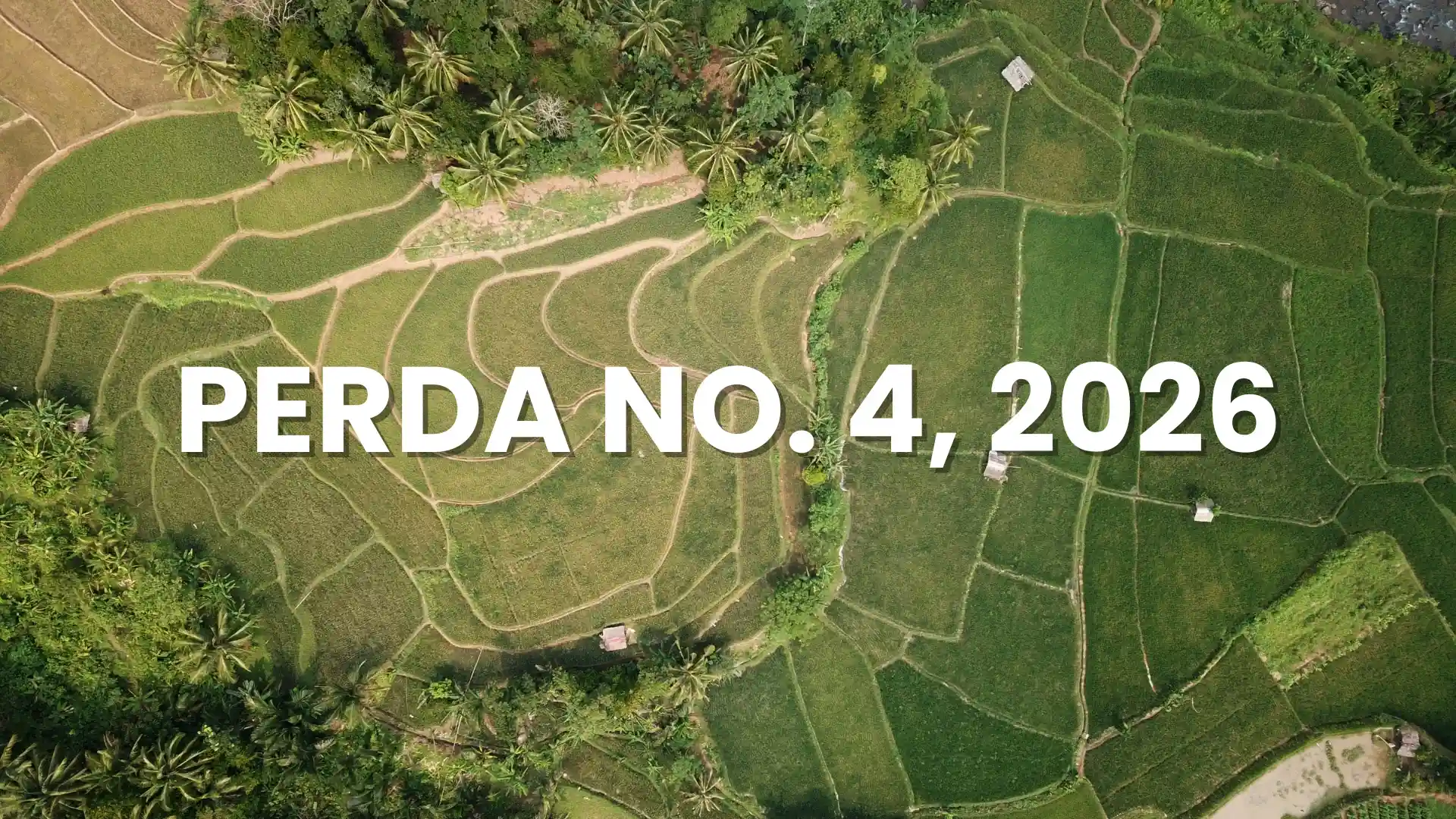

The Growing Influence of Perda No. 4 2026
For years, doing business in Indonesia largely meant focusing on national regulations, securing licenses through central systems and aligning with country-wide policies. Today, that reality has shifted. Regional governments are no longer passive administrators; they are increasingly shaping the rules that determine whether businesses can operate smoothly, expand confidently, or face unexpected restrictions.
Local regulations are now playing a decisive role in real business outcomes. From land use decisions to operational permissions, regional authorities are actively influencing how development unfolds within their jurisdictions. This evolving landscape reflects Indonesia’s broader decentralization framework, where governance is shared between national and local levels to ensure more balanced and sustainable growth.
A clear example of this shift is Perda No. 4 2026, which illustrates how regional regulations are moving beyond administrative formality into practical instruments that directly affect investment and operations. Rather than simply supporting national policy, such local rules now help shape development direction, environmental priorities, and economic structure at the regional level.
For investors and business operators, this matters more than ever. National approval alone is no longer sufficient to guarantee continuity, alignment with regional frameworks has become equally critical.
Understanding Perda No. 4 2026 is therefore not just about legal awareness. It is about recognizing how local governance now influences strategic decisions, and how businesses can adapt to navigate this evolving regulatory environment effectively.
The Rise of Regional Authority Under Perda No. 4 2026
Indonesia’s decentralization framework has significantly reshaped how governance functions at the local level. Over the past two decades, authority has steadily shifted from central institutions to provincial and municipal governments, allowing regions to respond more directly to their unique economic, social, and spatial challenges. This shift has empowered local administrations to take a more active role in managing development priorities, investment activities, and regulatory enforcement.
Within this evolving landscape, Perda No. 4 2026 represents a notable step in strengthening the legal standing of regional oversight. Rather than acting merely as administrative extensions of national policy, local governments are now positioned as strategic regulators with clearer authority to supervise business activities operating within their jurisdictions.
At its core, Perda No. 4 2026 reinforces the legitimacy of regional regulations as binding legal instruments. It enhances the ability of local authorities to monitor compliance, align development with community interests, and ensure that commercial operations support long-term sustainability goals. As decentralization continues to mature, this regulation reflects a broader national movement toward localized governance, where decision-making power is increasingly exercised closer to the ground, enabling more responsive and context-sensitive supervision.
Land Use & Development Control Under Perda No. 4 2026
Land use planning has become an increasingly strategic function of regional governance, particularly in areas experiencing rapid investment growth. Through clearer zoning authority, local governments are now better equipped to determine how land is allocated across residential, commercial, tourism, and conservation purposes. This strengthened role ensures that spatial planning aligns with long-term regional priorities rather than being driven solely by short-term development pressures.
A key impact of Perda No. 4 2026 lies in its influence over land conversion decisions. By reinforcing local discretion in approving changes to land designation, the regulation enables authorities to carefully evaluate whether agricultural, coastal, or green zones should transition into commercial use. This introduces an additional layer of scrutiny that encourages more sustainable development patterns and helps prevent uncontrolled expansion.
For hospitality and property projects, this evolving framework carries significant implications. Investors must now operate within a more structured approval environment where zoning compliance and development intent are closely assessed. As a result, project feasibility is no longer determined purely by market demand, but also by alignment with regional planning objectives, reflecting a growing emphasis on balanced growth and environmental stewardship.
Preventing Uncontrolled Expansion Through Perda No. 4 2026
As investment activity continues to accelerate across emerging and established destinations, the need to guide development responsibly has become increasingly urgent. Regional authorities are now placing stronger emphasis on sustainable growth, ensuring that expansion does not compromise long-term economic resilience or environmental integrity. Within this context, Perda No. 4 2026 reflects a broader shift toward managing growth in a way that protects both opportunity and livability.
One of the primary objectives is to mitigate the risks associated with overdevelopment. Rapid construction, particularly in tourism-driven regions, can place pressure on infrastructure, natural resources, and local communities. By introducing clearer planning oversight and development safeguards, local regulators are better positioned to evaluate whether new projects contribute to balanced progress rather than short-term saturation.
Equally important is the effort to maintain harmony between economic ambition and environmental preservation. Regional policy direction now seeks to ensure that commercial expansion, especially in hospitality and property, remains aligned with ecological sustainability and community needs. This approach helps foster a development landscape where growth is not only continuous, but also measured, reinforcing stability for investors while safeguarding regional identity for the future.
Stronger Enforcement Mechanisms Under Perda No. 4 2026
As regional regulations evolve, enforcement is no longer limited to policy guidance, it now carries tangible operational consequences. One of the defining shifts introduced through Perda No. 4 2026 is the move toward more structured administrative sanctions. Rather than relying solely on corrective recommendations, local authorities are increasingly equipped to impose measurable penalties on non-compliant developments or business activities.
In parallel, inspection authority has become more proactive. Regional agencies are stepping beyond passive supervision and into routine monitoring of land use, licensing alignment, and operational compliance. This expanded oversight allows local governments to identify discrepancies earlier, reducing the likelihood of prolonged regulatory breaches that could escalate into larger legal complications.
Perhaps most notably, enforcement at the regional level is becoming visibly more active. Local administrations are demonstrating greater readiness to act when regulations are not followed, whether through warnings, operational limitations, or formal sanctions. This signals a new era where compliance is not only expected on paper but verified in practice, reinforcing the seriousness of regional governance in shaping business conduct.
Alignment with National Policy Through Perda No. 4 2026
Rather than standing apart from national direction, Perda No. 4 2026 reflects a growing effort to harmonize regional priorities with Indonesia’s broader investment framework. While national regulations continue to define the overall legal environment for business and development, local rules now serve as practical instruments that translate these goals into context-specific implementation.
This relationship is increasingly complementary, not contradictory. National policies may encourage investment growth, infrastructure expansion, and sectoral development, but regional governments are responsible for ensuring that these ambitions unfold sustainably within their jurisdictions. Through this lens, Perda No. 4 2026 acts as a balancing mechanism, adapting national intent to local realities such as spatial capacity, environmental sensitivity, and socio-economic conditions.
Importantly, this alignment reduces regulatory friction for investors who operate across multiple levels of governance. When regional frameworks support national objectives instead of competing with them, businesses gain clearer direction on compliance expectations. In this evolving landscape, Perda No. 4 2026 illustrates how localized governance can strengthen, not disrupt, the consistency of Indonesia’s investment climate.
Impact on Foreign Investors Under Perda No. 4 2026
For foreign investors entering Indonesia’s dynamic market, local compliance is no longer a secondary consideration, it is becoming a central pillar of operational strategy. With the introduction of Perda No. 4 2026, regional regulations now carry tangible influence over how businesses structure their entry, licensing, and expansion plans.
Investors who once focused primarily on national-level approvals must now account for local regulatory frameworks that shape how projects are implemented on the ground. Licensing strategies, in particular, must be aligned not only with central government requirements but also with regional development priorities. In this context, Perda No. 4 2026 signals that successful market entry depends on understanding how local governance intersects with broader investment policies.
This shift encourages foreign businesses to adopt a more integrated compliance approach, one that anticipates regional oversight from the outset rather than treating it as a post-establishment adjustment. By recognizing the growing influence of Perda No. 4 2026 early in the planning phase, investors can reduce approval delays, avoid operational disruptions, and ensure smoother long-term growth within Indonesia’s decentralized regulatory landscape.
Tourism & Hospitality Implications of Perda No. 4 2026
The tourism and hospitality sector is among the industries most directly influenced by evolving regional regulations. Zoning restrictions are becoming more structured, shaping where new accommodations, villas, and tourism-related developments can legally operate. Through Perda No. 4 2026, local authorities now have clearer frameworks to determine which areas are suitable for hospitality expansion and which must be preserved for environmental or community balance.
Operational approvals are also increasingly tied to local sustainability considerations. Projects may face additional scrutiny regarding density, land usage, and infrastructure impact before receiving permits. This reflects a broader shift toward responsible development, ensuring tourism growth does not compromise long-term regional stability.
In practice, sustainability-driven controls are guiding how businesses design and manage their operations, from waste management planning to integration with local ecosystems. Rather than simply limiting expansion, these measures encourage hospitality operators to align with community-focused growth models. As a result, navigating zoning and operational requirements under Perda No. 4 2026 is becoming an essential step for tourism investors seeking durable and compliant business success.
Multi-Layered Compliance Reality Under Perda No. 4 2026
Today’s regulatory landscape requires businesses to navigate not only national laws but also increasingly influential regional obligations. This layered framework reflects Indonesia’s evolving governance approach, where local authorities play a more active role in shaping how rules are applied on the ground. As a result, compliance is no longer a single-tier process, it now involves aligning with both central policies and region-specific requirements such as those introduced through Perda No. 4 2026.
The growing interaction between national frameworks and local enforcement creates a more complex operating environment. Licensing, operational standards, and land-use considerations may differ depending on regional priorities, even when national permissions have already been secured. This means businesses must adopt a more holistic strategy, ensuring that approvals at one level are supported by compliance at another.
Rather than viewing this complexity as a barrier, forward-thinking investors increasingly recognize it as part of a structured system designed to balance growth with local sustainability. Understanding how regional rules complement broader national objectives is now essential for maintaining operational stability in Indonesia’s decentralized regulatory environment.
Strategic Business Planning Under Local Rules
In today’s decentralized regulatory climate, strategic planning begins long before operations commence. One of the most important considerations is site selection, as regional policies increasingly influence where and how businesses can operate. Local zoning priorities, development limits, and sustainability targets now play a direct role in determining whether a project is viable, making alignment with frameworks such as Perda No. 4 2026 an essential early-stage consideration.
This shift has elevated the importance of due diligence from a procedural step to a strategic necessity. Investors and operators must assess not only land titles and market potential, but also the regulatory environment governing a specific location. Regional rules can affect licensing timelines, building permissions, and operational scope, meaning that a project’s success may depend as much on compliance readiness as on commercial strength.
As a result, businesses that integrate local regulatory insights into their planning process are better positioned to move forward with confidence. Understanding the regional landscape from the outset supports smoother execution and helps ensure that long-term growth plans remain aligned with local expectations.
A New Governance Reality Under Perda No. 4 2026
The emergence of Perda No. 4 2026 reflects a broader shift in how governance is exercised across Indonesia. Authority is no longer defined solely at the national level, regional frameworks are increasingly shaping how development, licensing, and operational permissions unfold in practice. This signals a move toward more localized oversight, where policies are tailored to the unique economic and environmental priorities of each region.
As a result, local rules are no longer peripheral considerations. They are becoming decisive factors in determining whether investments succeed or stall. From land utilization to project approvals, regional direction now influences timelines, feasibility, and long-term sustainability. Understanding how measures such as Perda No. 4 2026 function within the broader regulatory ecosystem is therefore essential for any investor or operator seeking stability.
In this evolving environment, compliance is no longer just an administrative obligation, it is a strategic necessity. Businesses that proactively align with regional expectations are more likely to navigate approval processes smoothly and maintain operational resilience over time. Ultimately, success in Indonesia’s next phase of growth will depend not only on market opportunity, but also on how effectively enterprises respond to the increasing importance of regional governance.
Source:
FAQ

Share the blog


Related News


SYNERGY PRO Business & Legal Consulting
Social Media


