.png)


Perda Bali No. 4/2026 : Criminal Risks of Converting Agricultural Land into Tourism Villas
Why Perda Bali No. 4/2026 Matters for Property Investors
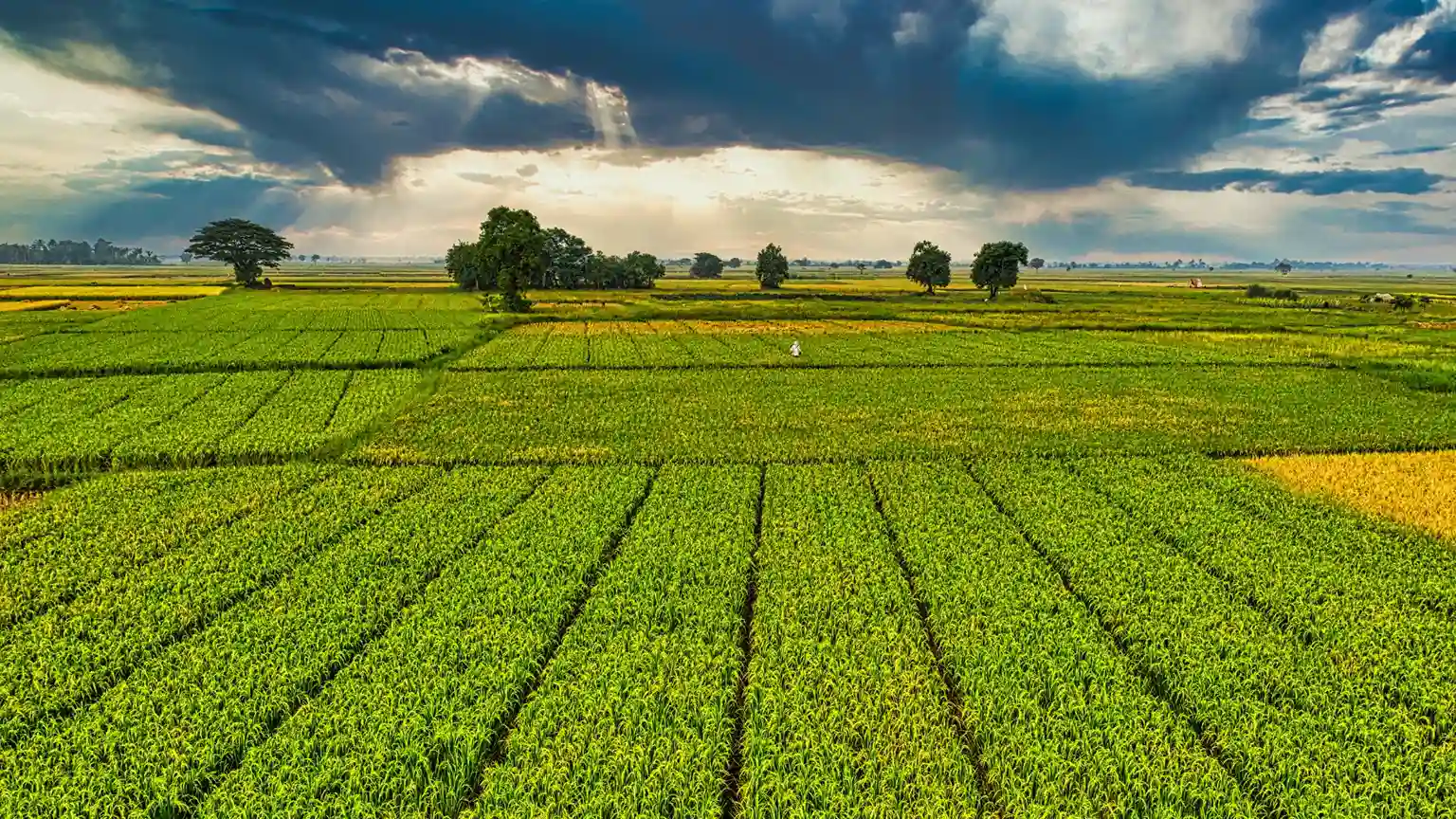
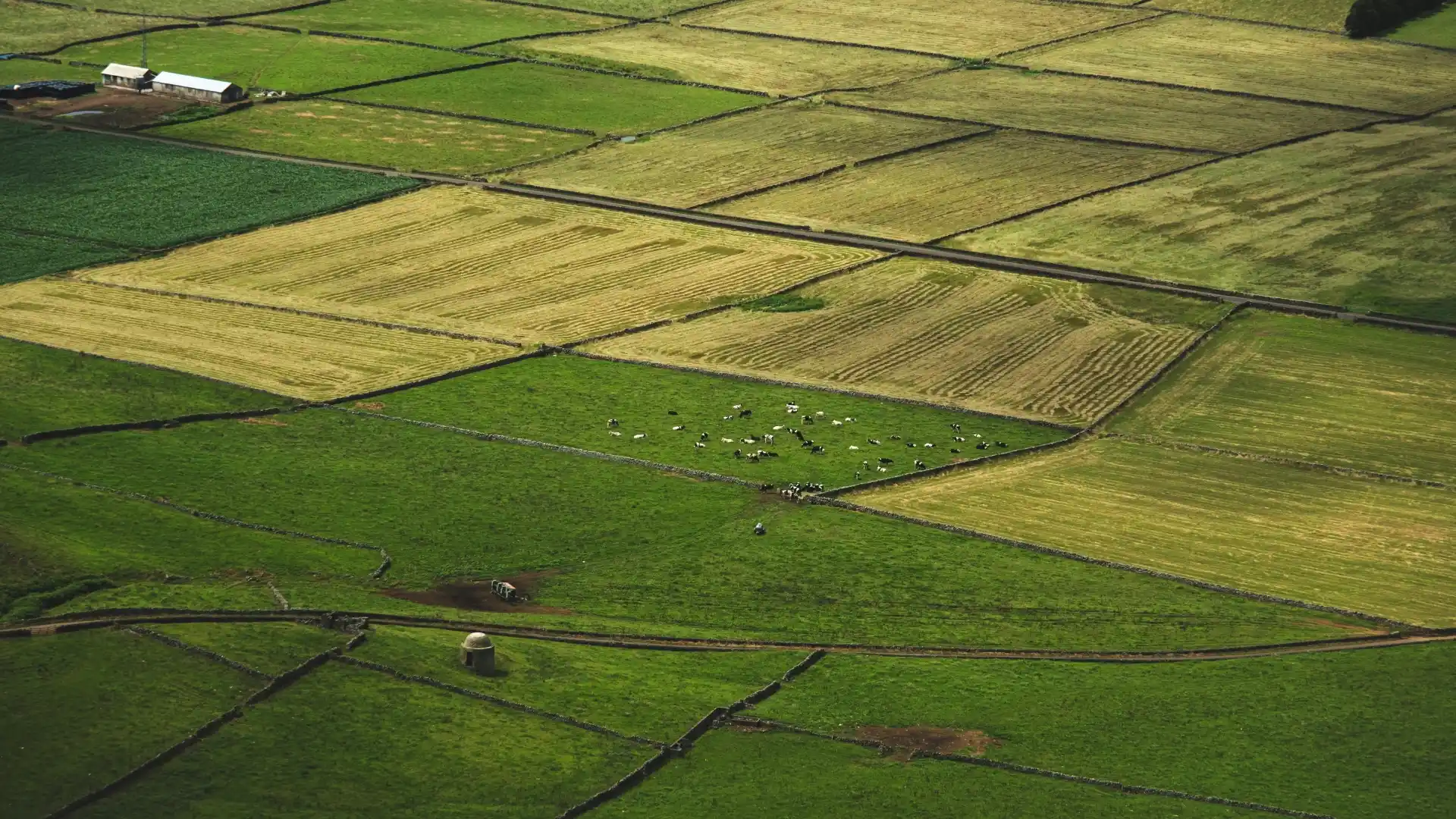
Bali’s rapid tourism development has brought significant economic growth, but it has also triggered serious concerns about environmental sustainability and the loss of agricultural land. In recent years, thousands of hectares of rice fields have been converted into villas, resorts, and tourism facilities across the island.
To address these concerns, the provincial government introduced Perda Bali No. 4/2026, a regional regulation designed to control the conversion of productive land and prevent nominee-based land ownership structures.
The regulation aims to protect Bali’s agricultural ecosystem and ensure long-term food security while maintaining a balance between tourism development and environmental sustainability. According to government officials, the law specifically targets the widespread practice of converting productive rice fields into tourism accommodation such as villas and condotels.
The introduction of Perda Bali No. 4/2026 also reflects broader concerns about overdevelopment in Bali. Studies have shown that the island has been losing around 1,000 hectares of agricultural land annually, largely due to tourism infrastructure expansion.
For foreign investors, developers, and property owners, understanding Perda Bali No. 4/2026 is now essential. The regulation introduces stricter zoning enforcement and criminal sanctions for illegal land conversion.
This article explains:
- What Perda Bali No. 4/2026 regulates
- Why Bali introduced this regulation
- The criminal risks associated with illegal land conversion
- How investors can remain compliant when developing tourism properties
Understanding the implications of Perda Bali No. 4/2026 is critical for anyone planning to invest in Bali’s property or tourism sector.
Understanding Perda Bali No. 4/2026 and Its Objectives
Perda Bali No. 4/2026 is a regional regulation that focuses on controlling the conversion of productive agricultural land and prohibiting nominee-based land ownership structures.
The regulation was enacted by the Bali provincial government in early 2026 as part of a broader policy to preserve agricultural areas and maintain ecological balance on the island.
Under Perda Bali No. 4/2026, productive agricultural land is considered a strategic asset that must be preserved for future generations. The government emphasizes that these lands support food production, local livelihoods, and the traditional subak irrigation system, which is recognized as part of Bali’s cultural heritage.
Key objectives of Perda Bali No. 4/2026 include:
- Protecting productive agricultural land
- Preventing uncontrolled tourism development
- Maintaining food security in Bali
- Protecting farmers and rural communities
- Preserving Bali’s ecological balance
- Preventing nominee ownership schemes
The regulation also aligns with Indonesia’s broader national policies on land-use management and sustainable development.
Key aspects covered by Perda Bali No. 4/2026 include:
- Restrictions on converting rice fields into tourism properties
- Prohibition of nominee ownership structures used by foreigners
- Stronger enforcement of spatial planning regulations
- Administrative and criminal penalties for violations
Through these provisions, Perda Bali No. 4/2026 serves as a legal framework to ensure that tourism growth does not compromise the island’s agricultural sustainability.
Why Bali Introduced Perda Bali No. 4/2026
The introduction of Perda Bali No. 4/2026 is largely driven by concerns about the rapid loss of agricultural land.
Over the past decade, tourism expansion has accelerated the conversion of rice fields into:
- Luxury villas
- Hotels and resorts
- Tourism accommodation complexes
- Commercial developments
Government data indicates that Bali has been losing significant agricultural land each year due to tourism development.
This trend poses several risks:
- Declining food production capacity
- Loss of traditional farming livelihoods
- Environmental degradation
- Increased flood risks due to land conversion
Environmental experts warn that excessive land conversion can disrupt Bali’s natural water systems and damage the island’s ecosystem.
The government therefore introduced Perda Bali No. 4/2026 to prevent further uncontrolled development.
Key motivations behind Perda Bali No. 4/2026 include:
- Protecting the Subak irrigation system
- Preserving Bali’s agricultural heritage
- Maintaining environmental sustainability
- Ensuring long-term food sovereignty
By enforcing stricter controls, Perda Bali No. 4/2026 aims to balance tourism growth with sustainable land management.
Criminal Risks Under Perda Bali No. 4/2026
One of the most important aspects of Perda Bali No. 4/2026 is the introduction of stronger enforcement mechanisms, including criminal sanctions.
In the past, illegal land conversion often resulted only in administrative penalties. However, Perda Bali No. 4/2026 increases the legal consequences for violations.
Developers and property investors who violate Perda Bali No. 4/2026 may face:
- Criminal prosecution
- Administrative sanctions
- Revocation of permits
- Heavy financial penalties
- Demolition of illegal structures
Examples of violations under Perda Bali No. 4/2026 include:
- Converting rice fields into villas without zoning approval
- Building tourism facilities on protected agricultural land
- Using nominee agreements to control land
- Failing to comply with spatial planning regulations
Authorities have emphasized that illegal conversion of rice fields into villas can now lead to criminal penalties.
This shift signals a stronger regulatory approach by the Bali government.
For developers and investors, the risks associated with violating Perda Bali No. 4/2026 can be significant.
Potential consequences include:
- Project shutdown
- Investment losses
- Legal disputes
- Reputational damage
Because of these risks, investors should conduct thorough legal due diligence before purchasing land or starting development projects in Bali.
How Zoning Regulations Interact with Perda Bali No. 4/2026
Zoning regulations play a crucial role in implementing Perda Bali No. 4/2026.
In Bali, land use is regulated through spatial planning frameworks such as:
- RTRW (Regional Spatial Plan)
- RDTR (Detailed Spatial Plan)
- KKPR (Conformity of Spatial Utilization Activities)
These zoning systems determine how land can legally be used.
For example:
- Pink zones are designated for tourism development
- Yellow zones may allow residential housing
- Green zones are typically reserved for agriculture
Before developing a property, investors must verify whether the land zoning permits tourism development.
Under Perda Bali No. 4/2026, converting land that is zoned for agriculture into tourism accommodation is prohibited unless specific approvals are granted.
Investors should therefore conduct several checks before purchasing land:
- Verify zoning classification
- Check land certificate status
- Confirm development permits
- Ensure compliance with local spatial planning
Failure to comply with these zoning regulations may result in violations under Perda Bali No. 4/2026.
Common Mistakes Developers Make Under Perda Bali No. 4/2026
As enforcement of Perda Bali No. 4/2026 becomes stricter, many property developers and investors are realizing that certain practices that were previously common may now create significant legal risks. In particular, foreign investors entering Bali’s property market often underestimate how land-use regulations are applied at the provincial and local levels.
One of the most frequent issues seen in property developments is the assumption that land can easily be converted from agricultural use into tourism accommodation. Under Perda Bali No. 4/2026, such assumptions can result in serious compliance violations if the land is designated as protected agricultural land within the regional spatial plan.
Developers planning villa projects should therefore avoid several common mistakes that could lead to violations of Perda Bali No. 4/2026.
Purchasing Land Without Verifying Zoning Status
Many investors focus primarily on location and price when purchasing land, without verifying the zoning classification under the regional spatial plan.
However, Perda Bali No. 4/2026 strictly prohibits the development of tourism facilities on certain agricultural land categories. If a villa project is built on land that is zoned for agriculture, authorities may impose sanctions even after construction has begun.
Key zoning checks should include:
- Verification of RTRW (Regional Spatial Plan)
- Review of RDTR (Detailed Spatial Plan)
- Confirmation of KKPR approval before development
Failing to conduct these checks may result in violations under Perda Bali No. 4/2026.
Using Informal Nominee Arrangements
Another major issue addressed by Perda Bali No. 4/2026 is the widespread use of nominee structures. In some cases, foreign investors place land ownership under the name of an Indonesian individual while maintaining informal control over the property.
Although this practice has been used in the past, Perda Bali No. 4/2026 reinforces the legal risks associated with nominee ownership arrangements.
Potential consequences include:
- Invalid land agreements
- Loss of control over property assets
- Legal disputes with local partners
- Enforcement actions by authorities
Because of these risks, investors should seek legitimate property structures that comply with Indonesian law.
Ignoring Local Community and Environmental Considerations
Another factor increasingly emphasized under Perda Bali No. 4/2026 is the importance of environmental protection and community impact.
Large-scale tourism developments that disrupt irrigation systems, farmland productivity, or local infrastructure may attract closer scrutiny from authorities.
Developers should therefore ensure that their projects respect local land-use policies and sustainability principles established by Perda Bali No. 4/2026.
By avoiding these common mistakes, investors can significantly reduce legal risks and ensure their projects remain aligned with Bali’s evolving regulatory framework.
Compliance Strategies for Investors
For property investors, understanding and complying with Perda Bali No. 4/2026 is essential to avoid legal risks.
Before starting a property project in Bali, investors should take the following steps:
Conduct Land Due Diligence
- Verify zoning status (RTRW / RDTR)
- Check agricultural land designation
- Confirm land ownership status
Verify Development Permits
Developers should ensure they have obtained:
- KKPR approval
- Building permits (PBG)
- Business licenses through OSS
Avoid Nominee Ownership Structures
Under Perda Bali No. 4/2026, nominee arrangements are prohibited and may lead to legal consequences.
Work with Legal and Compliance Experts
Professional advisors can help investors:
- Conduct land due diligence
- Review zoning regulations
- Ensure licensing compliance
- Navigate Indonesian legal requirements
Taking these steps can help ensure that property investments remain compliant with Perda Bali No. 4/2026.
Perda Bali No. 4/2026 Signals a New Era of Land Regulation
The introduction of Perda Bali No. 4/2026 marks a significant shift in Bali’s approach to land management and tourism development.
By restricting the conversion of productive agricultural land, the regulation aims to protect Bali’s environmental sustainability, food security, and cultural heritage.
For investors and developers, Perda Bali No. 4/2026 highlights the importance of regulatory compliance.
Tourism development will continue to play an important role in Bali’s economy, but future projects must align with zoning regulations and land-use policies.
Key takeaways from Perda Bali No. 4/2026 include:
- Stronger restrictions on agricultural land conversion
- Prohibition of nominee land ownership structures
- Criminal sanctions for illegal development
- Increased enforcement of zoning regulations
For foreign investors planning property developments in Bali, understanding Perda Bali No. 4/2026 is now more important than ever.
Careful planning, legal due diligence, and regulatory compliance will be essential to ensure that tourism investments remain sustainable and legally secure.
Source:
FAQ

Share the blog


Related News


SYNERGY PRO Business & Legal Consulting
Social Media


