.png)


Powerful Truths About Cloud Kitchen in Bali: Legal Risks & Profit Potential for Foreign Investors in 2026
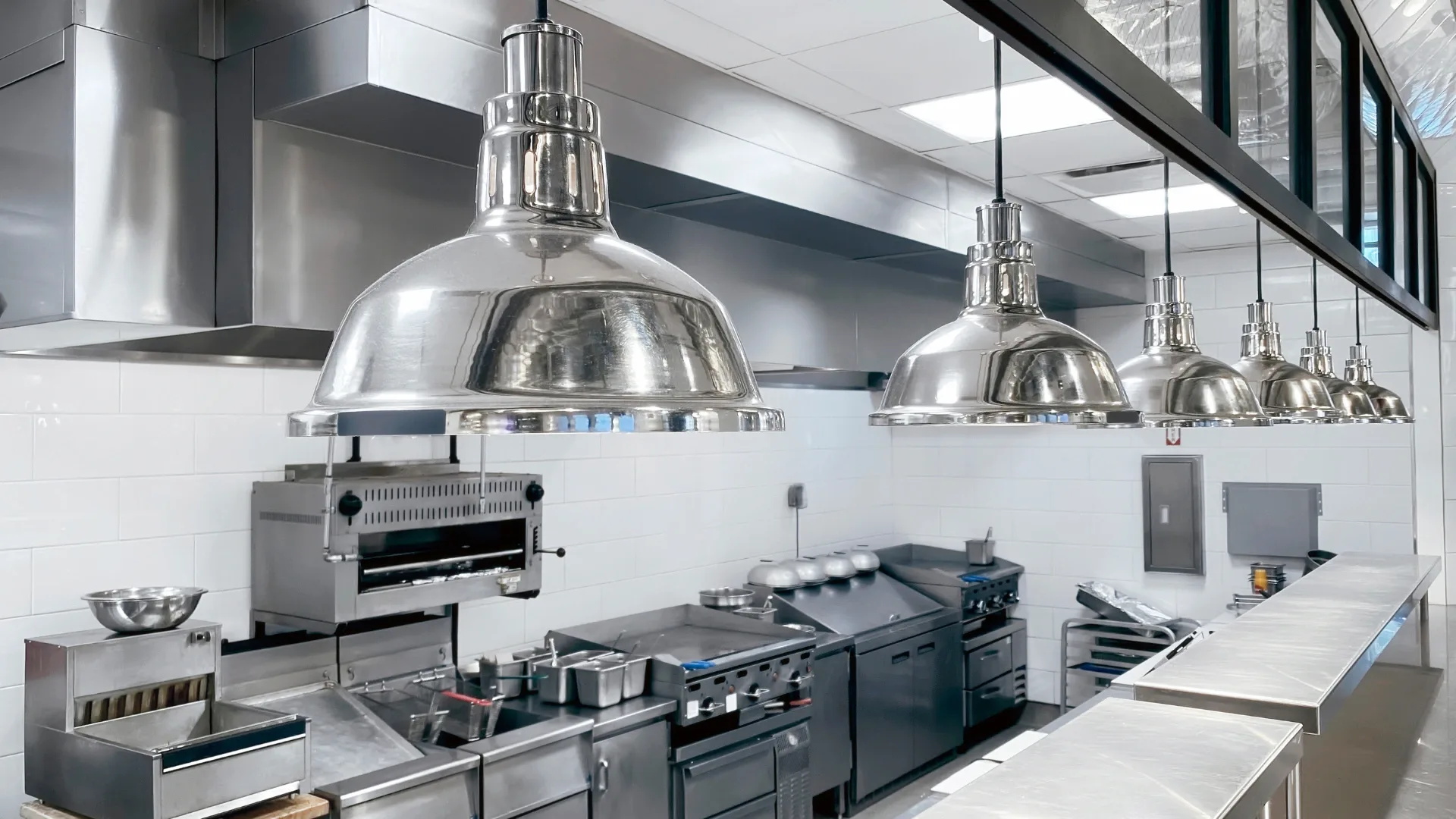

Why Cloud Kitchen in Bali Is Becoming a Hot Investment Trend
The rise of Cloud Kitchen in Bali reflects a major shift in how food and beverage businesses operate in Indonesia. With the rapid growth of food delivery platforms and changing consumer behavior, investors are increasingly exploring alternative models beyond traditional restaurants.
A Cloud Kitchen in Bali operates without dine-in facilities, focusing entirely on delivery and takeaway services. This model reduces overhead costs while maximizing operational efficiency.
For foreign investors, the appeal of a Cloud Kitchen in Bali lies in its scalability, lower capital requirements, and flexibility in testing multiple brands from a single kitchen. However, while the concept appears simple, the legal and regulatory framework behind a Cloud Kitchen in Bali is far from straightforward.
Understanding both the legal structure and profitability factors is essential before entering this growing market.
What Exactly Is a Cloud Kitchen in Bali?
A Cloud Kitchen in Bali, also known as a ghost kitchen or virtual kitchen, is a food production facility designed exclusively for online orders. Unlike traditional restaurants, it does not serve customers on-site.
In practice, a Cloud Kitchen in Bali may:
- Operate a single food brand
- Host multiple brands under one kitchen
- Function as a shared kitchen space
This model allows investors to:
- Launch faster
- Reduce staffing needs
- Test multiple concepts simultaneously
Because of these advantages, the Cloud Kitchen in Bali model has gained popularity among both startups and established F&B brands.
Is Cloud Kitchen in Bali Legal for Foreign Investors?
The short answer is: yes, but with strict compliance requirements.
A Cloud Kitchen in Bali is legally treated as part of the food and beverage (F&B) sector. This means foreign investors must follow the same legal structure required for restaurants and catering businesses.
1. PT PMA Is Mandatory
Foreign investors must establish a PT PMA (foreign-owned company) to operate a Cloud Kitchen in Bali legally.
This structure allows:
- Legal business operations
- Hiring employees
- Signing contracts
- Generating revenue in Indonesia
Minimum capital requirements typically start from IDR 2.5 billion or higher depending on classification.
2. OSS Licensing and NIB Registration
To run a Cloud Kitchen in Bali, businesses must register through the OSS (Online Single Submission) system and obtain:
- NIB (Business Identification Number)
- Relevant KBLI classification
Without OSS registration, a Cloud Kitchen in Bali is considered illegal.
3. Choosing the Correct KBLI Code
Selecting the correct KBLI is critical. Most Cloud Kitchen in Bali businesses fall under:
- KBLI 56101 (restaurant/food services)
Incorrect classification can lead to:
- License rejection
- Compliance issues
- Operational shutdown risks
4. Food Safety and Hygiene Compliance
Every Cloud Kitchen in Bali must meet food safety standards, including:
- Hygiene certification (Sertifikat Laik Sehat)
- BPOM compliance for food handling
Recent regulations, including BPOM rules, require strict safety standards even for delivery-only kitchens.
5. Additional Certifications
Depending on your business model, a Cloud Kitchen in Bali may also require:
- Halal certification (if targeting Muslim market)
- Local tax registration (NPWPD)
- Environmental compliance (SPPL or UKL-UPL)
Key Legal Challenges of Running a Cloud Kitchen in Bali
While the model is attractive, a Cloud Kitchen in Bali presents several legal complexities.
Zoning and Location Restrictions
Not all areas in Bali are approved for commercial kitchen operations. Running a Cloud Kitchen in Bali in a residential zone without proper permits can lead to penalties.
Shared Kitchen Compliance
If using a shared facility, each tenant in a Cloud Kitchen in Bali must still meet licensing requirements individually.
Multi-Brand Structure
Operating multiple brands under one Cloud Kitchen in Bali may require additional licensing depending on how the business is structured.
These challenges highlight why professional guidance is often necessary.
Is Cloud Kitchen in Bali Profitable?
The profitability of a Cloud Kitchen in Bali depends on several factors, but overall, the model offers strong potential.
1. Lower Operational Costs
A Cloud Kitchen in Bali eliminates:
- Front-of-house staff
- Prime location rental costs
- Interior design expenses
This significantly reduces startup and operational expenses.
2. Scalability and Flexibility
One major advantage of a Cloud Kitchen in Bali is the ability to:
- Launch multiple brands from one kitchen
- Expand quickly into new locations
- Test menus with minimal risk
3. Growing Food Delivery Market
Indonesia’s F&B sector is projected to grow steadily, supported by digital platforms and urban demand.
This trend directly supports the growth of Cloud Kitchen in Bali.
4. Multi-Brand Revenue Potential
A single Cloud Kitchen in Bali can generate revenue from multiple brands simultaneously, increasing overall profitability.
Cost Structure of Cloud Kitchen in Bali
Understanding costs is essential when evaluating a Cloud Kitchen in Bali.
Initial Investment
- Company setup (PT PMA)
- Licensing and permits
- Kitchen equipment
Operational Costs
- Rent (shared or private kitchen)
- Staff salaries
- Platform commissions (GrabFood, GoFood)
Despite lower overhead, commissions from delivery platforms can impact margins.
Common Mistakes Foreign Investors Make
Many investors underestimate the complexity of a Cloud Kitchen in Bali. Here are the most common mistakes:
1. Assuming It Requires Less Legal Compliance
Even without dine-in, a Cloud Kitchen in Bali must meet full F&B regulations.
2. Using Incorrect Business Structure
Operating without a PT PMA is a major compliance risk.
3. Ignoring Licensing Details
Missing permits can delay or shut down a Cloud Kitchen in Bali.
4. Overestimating Profit Margins
Delivery platform fees can reduce profits significantly.
5. Poor Location Strategy
Even for delivery, location impacts logistics and customer reach.
Strategic Tips for Success
To succeed with a Cloud Kitchen in Bali, investors need a well-rounded strategy that balances legal compliance, operational efficiency, and strong market positioning. Here are the key elements to focus on:
- Choose the correct KBLI classification
Selecting the appropriate business classification is crucial. A mismatch between your actual operations and registered KBLI can delay licensing or create legal risks. This is especially important if your Cloud Kitchen involves multiple brands or shared kitchen operations. - Ensure full OSS compliance
Registering through the OSS system and obtaining your NIB is just the starting point. You also need to secure all required operational licenses, tax registrations, and hygiene certifications. A fully compliant Cloud Kitchen in Bali minimizes the risk of disruptions and builds a solid legal foundation. - Optimize your delivery platform strategy
Platforms like GoFood and GrabFood are essential, but their commission structures can impact profitability. To succeed, you need to carefully balance pricing, promotions, and menu engineering. A well-optimized Cloud Kitchen in Bali treats these platforms not just as sales channels, but as strategic partners. - Focus on strong branding and menu positioning
Since there is no physical dine-in experience, your entire customer journey is digital. High-quality food photos, clear menu descriptions, and a unique brand identity are critical. Many successful operators test multiple concepts within one Cloud Kitchen in Bali to identify the most profitable offerings. - Work with legal and business consultants
Indonesia’s regulatory landscape is constantly evolving. Professional guidance helps ensure compliance while also optimizing your business structure for efficiency and growth. This is particularly important for foreign investors navigating a Cloud Kitchen in Bali for the first time.
A well-structured approach that aligns these elements will not only reduce risks but also position your business for scalable and sustainable growth in Bali’s competitive F&B market.
Future Outlook of Cloud Kitchen in Bali
The future of Cloud Kitchen in Bali looks promising as:
- Digital consumption continues to rise
- Tourism supports F&B demand
- Investors seek flexible business models
However, regulations are also becoming stricter, especially around:
- Food safety
- Tax compliance
- Business licensing
This means the success of a Cloud Kitchen in Bali will depend not only on creativity but also on compliance.
Final Thoughts: Is Cloud Kitchen in Bali Worth It for Foreign Investors?
A Cloud Kitchen in Bali offers a compelling opportunity for foreign investors seeking entry into Indonesia’s F&B sector. With lower costs, scalability, and growing demand, the model is undeniably attractive.
However, it is not a shortcut to easy profits. The legal framework surrounding a Cloud Kitchen in Bali requires careful planning, proper licensing, and ongoing compliance.
Investors who approach a Cloud Kitchen in Bali strategically, balancing profitability with legal structure are far more likely to succeed in this competitive and evolving market.
Source:
FAQ

Share the blog


Related News


SYNERGY PRO Business & Legal Consulting
Social Media


