.png)


Shocking Risks of Noise Regulations in Bali: When Private Villas Become Public Problems in 2026
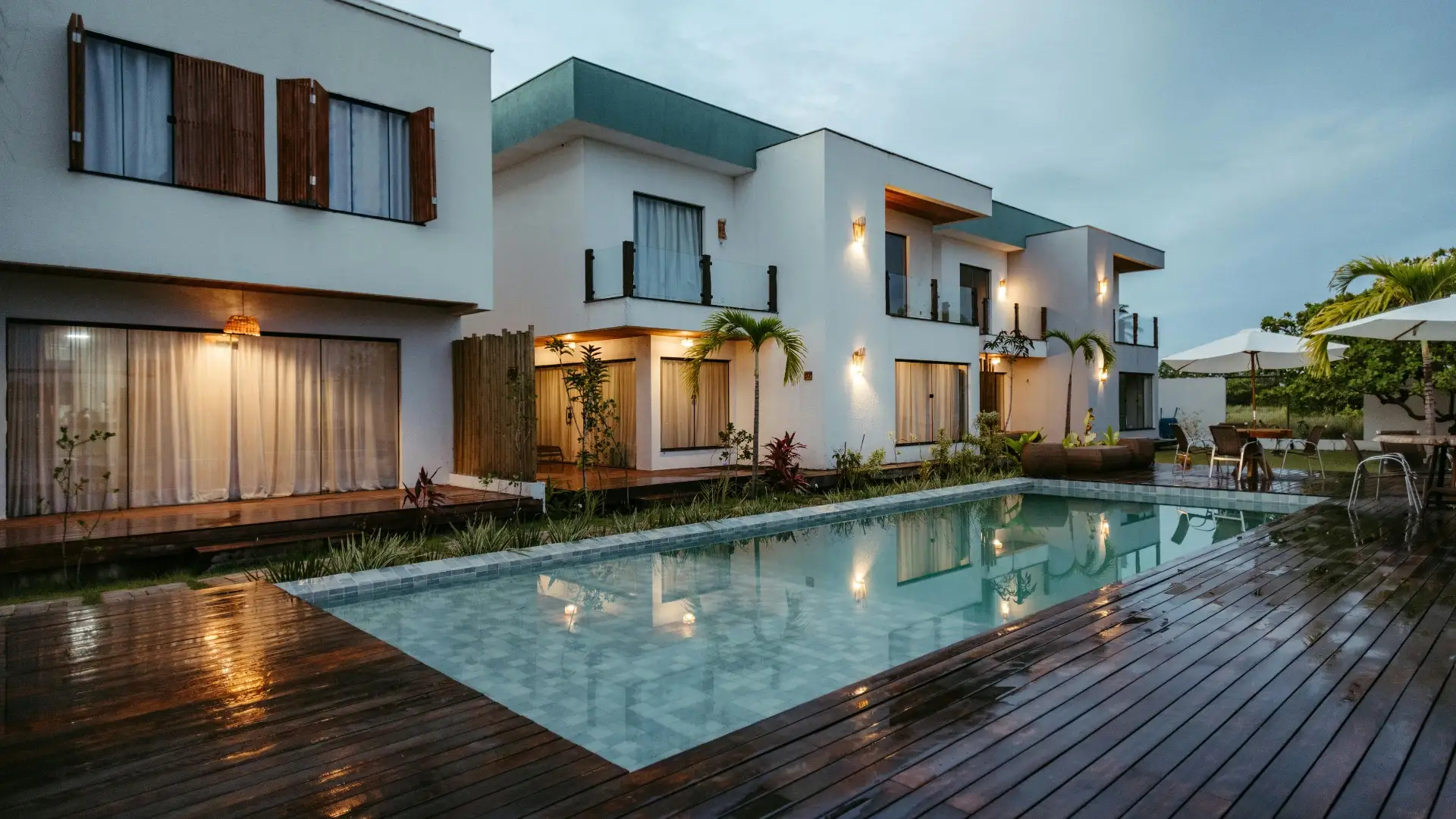

Hosting Events in Villas: When Private Property Becomes a Public Problem
At first glance, hosting events in a private villa in Bali seems simple. You own or lease the property, guests are happy, bookings increase, and revenue grows. Weddings, birthday parties, retreats, and private gatherings have become a core part of the villa business model.
But in reality, many investors discover too late that what happens inside a “private villa” can quickly become a public issue, especially when it involves sound, music, and large gatherings.
In 2026, noise regulations in Bali are becoming one of the most overlooked, but critical, compliance risks for foreign investors.
The Common Scenario: When Business Meets Neighborhood
A typical situation often begins innocently. A villa is booked for a private event, perhaps a birthday celebration, a small wedding, or a group gathering. The guests arrive in the afternoon, everything feels relaxed, and the atmosphere builds as the evening progresses. Music starts playing, sometimes through professional sound systems or hired DJs. As the night goes on, the volume increases, conversations get louder, and the energy of the event naturally grows.
From the guest’s perspective, this is part of the experience they paid for. From the owner’s perspective, it is good business, higher occupancy, premium pricing, and strong demand. But from the surrounding neighborhood’s point of view, the situation can feel very different. Nearby residents, who may have early work schedules or family obligations, begin to notice the disturbance. What starts as background noise gradually becomes disruptive.
At first, complaints are usually informal. A neighbor might contact the villa staff or security to ask for the volume to be lowered. In some cases, they may approach the property directly. This is often where many villa operators underestimate the situation, assuming it is a minor inconvenience that can be resolved quickly.
However, in Bali, noise is not treated purely as a private matter, it is closely tied to community harmony. If the issue continues or happens repeatedly, it can escalate beyond a simple complaint. Local community leaders or Banjar representatives may become involved, and this is where noise regulations in Bali begin to carry real weight. What seemed like a one-time event can quickly be viewed as an ongoing disruption.
At this stage, the issue is no longer just about guests enjoying a night. It becomes a matter of compliance, reputation, and community relations. Understanding how these situations evolve is essential, because once authorities or local structures are involved, noise regulations in Bali are no longer theoretical, they are actively enforced.
Understanding Noise Regulations in Bali
Indonesia has established clear legal standards to control environmental noise, and these rules directly affect how businesses, especially villa operators can function. Under Ministerial Decree No. 48/1996, noise thresholds are defined based on land use categories. For residential areas, the limit is generally 55 dBA, while commercial zones allow higher levels, typically up to 70 dBA. Public facilities such as schools and hospitals are also capped at around 55 dBA, reflecting the need for a quieter environment.
These standards are not just theoretical. They are reinforced under Government Regulation No. 22 of 2021, which places noise within the broader framework of environmental protection and disturbance control. This regulation strengthens enforcement by integrating noise into environmental compliance systems, meaning violations can be treated as part of a wider regulatory issue. not just a minor complaint.
In practice, this creates an important implication for property owners and investors. Many villas in Bali are located in areas officially zoned as residential, even if they are frequently used for short-term rentals or tourism purposes. This is where a major misunderstanding occurs. Owners often assume that because the property is privately owned or rented to guests, normal residential rules do not apply. However, from a regulatory perspective, the location and zoning classification remain the key reference points.
This is exactly where noise regulations in Bali become highly relevant. If your villa is operating in a residential zone, you are expected to follow residential noise limits, regardless of whether your guests are hosting events or parties. Exceeding these limits, especially on a recurring basis, can trigger complaints, inspections, and further scrutiny.
The critical mistake many investors make is focusing only on business opportunity while overlooking environmental and zoning compliance. In reality, noise regulations in Bali are not just about sound levels, they are part of a broader system that ensures balance between tourism activity and community well-being.
Private Villa vs Commercial Activity
One of the biggest misunderstandings is this:
“It’s a private villa, so we can host private events freely.”
In reality, once you start:
- Hosting paid events
- Renting for parties or weddings
- Operating regularly as an event venue
Your villa may be considered a commercial activity, not just residential use.
This creates a direct connection to noise regulations in Bali, zoning rules, and operational compliance.
Why Noise Complaints Escalate Quickly
Noise complaints in Bali rarely stay small.
They typically follow this pattern:
- Neighbors complain informally
- Local community (Banjar) gets involved
- Authorities are notified
- Business comes under scrutiny
In areas like Canggu, increasing complaints about nightlife noise have already triggered community petitions and government responses.
This shows that noise regulations in Bali are not just legal, they are actively enforced through community pressure.
The Role of Local Community (Banjar)
In Bali, legal compliance alone is not enough.
The Banjar (local community council) plays a significant role in daily operations.
Even if your business meets formal noise regulations in Bali, issues can arise if:
- Neighbors feel disturbed
- Events are too frequent
- Communication with the community is poor
This is why many noise-related issues are resolved or escalated at the community level first, before reaching authorities.
Event Villas: A Growing Risk Area
Event-based villa models are increasing across Bali, especially for:
- Weddings
- Private parties
- Retreats
- Corporate events
But these activities often involve:
- Loud music
- Large groups
- Late-night operations
Which directly conflicts with noise regulations in Bali, especially in residential zones.
This creates a mismatch between business model and regulatory environment.
Legal Exposure for Villa Owners
Ignoring noise regulations in Bali can lead to:
- Warnings from authorities
- Temporary shutdowns
- Restrictions on operating hours
- Revocation of permits
- Increased scrutiny on the entire business
In some cases, issues like noise complaints can trigger broader inspections into:
- Licensing
- zoning
- tax compliance
- employment
What starts as a noise issue can quickly become a full compliance review.
Real Problem: Misalignment Between Setup and Operation
Many villa businesses are set up as:
- Residential property
- Hospitality rental
But operate as:
- Event venue
- Party space
- Commercial entertainment business
This misalignment is where noise regulations in Bali become a serious risk.
Why This Issue Is Increasing in 2026
Several trends are driving this:
- Growth of short-term rentals
- Increased tourism volume
- More event-based bookings
- Higher expectations from local communities
At the same time, Indonesia is strengthening enforcement under environmental and business regulations.
This means noise regulations in Bali are becoming more visible and more enforced.
Common Mistakes Investors Make
Many investors unintentionally create risk by:
- Assuming private property = no restriction
- Ignoring zoning classification
- Hosting frequent events without permits
- Not managing sound levels
- Not engaging with the local community
These mistakes directly conflict with noise regulations in Bali and increase exposure.
What Should Be Done Instead
To operate safely, villa owners should:
- Understand zoning and land use classification
- Limit event frequency and scale
- Control sound systems and timing
- Align operations with licensing
- Maintain strong community relationships
Most importantly:
Treat noise as a compliance issue, not just an operational detail
Because under noise regulations in Bali, it is both.
Lombok Perspective: Similar but Less Mature Enforcement
In Lombok, noise issues are less visible, but not absent.
The difference is:
- Lower density of tourism areas
- Fewer large-scale events
- Less community pressure (for now)
However, as development increases, similar patterns are emerging.
This means investors in Lombok should prepare early, rather than repeat the same mistakes seen in Bali.
The Real Risk: It’s Not Just About Noise
The biggest misunderstanding is thinking this is just about sound levels.
In reality, noise regulations in Bali are a trigger point for:
- Community relations
- zoning compliance
- business classification
- legal enforcement
Noise is simply the entry point.
Why This Matters Now More Than Ever
The landscape in Bali is changing.
Authorities are not necessarily introducing new rules, but they are enforcing existing ones more consistently.
This means noise regulations in Bali are no longer something you can overlook.
They are something you must actively manage.
Because in today’s environment:
- A successful business is not just profitable
- It is also compliant, structured, and sustainable
Source:
FAQ

Share the blog


Related News


SYNERGY PRO Business & Legal Consulting
Social Media


