.png)


Smart Strategies to Open a Healing Center in Lombok: A Rewarding Yet Challenging Investment Guide 2026
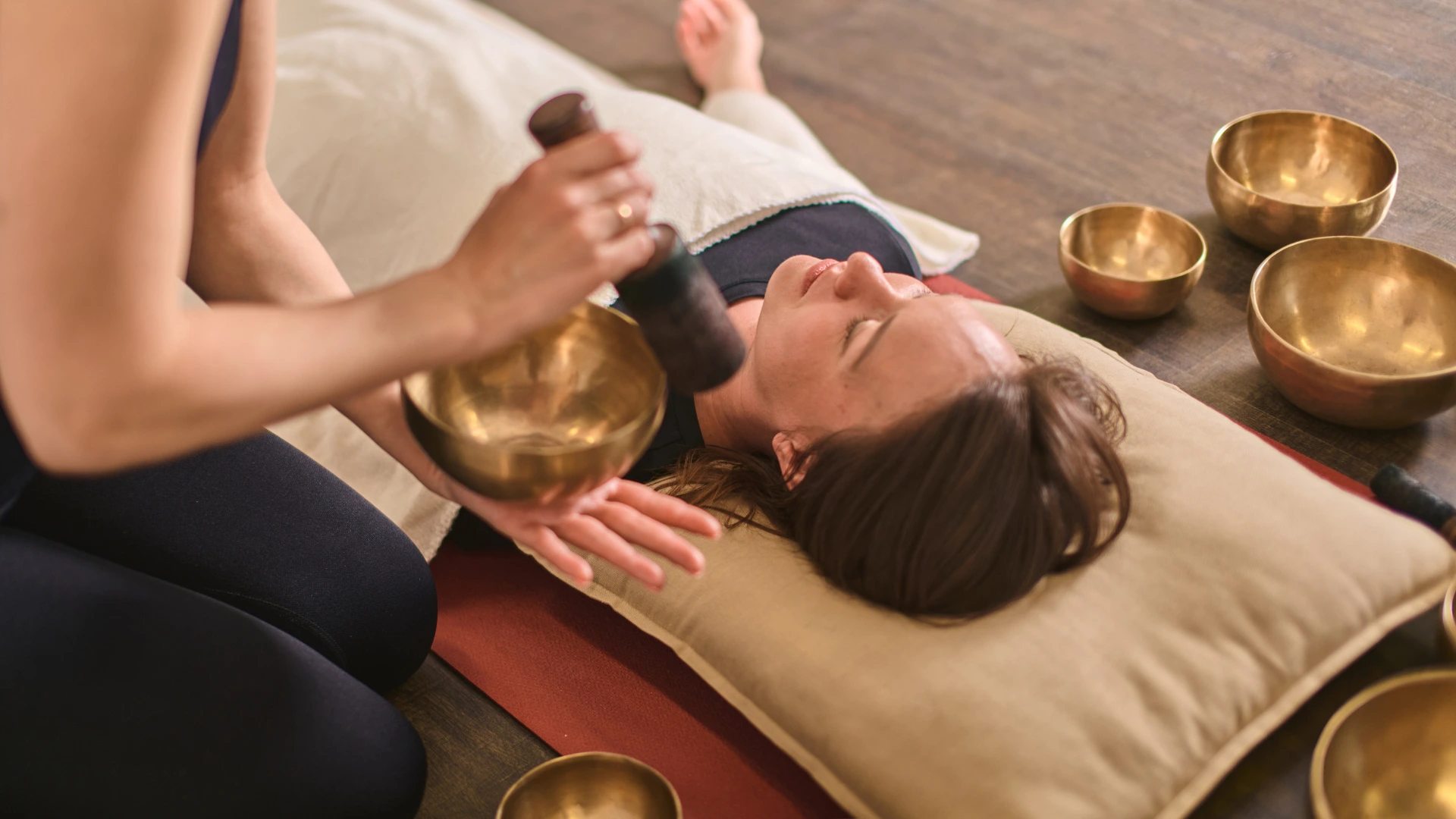
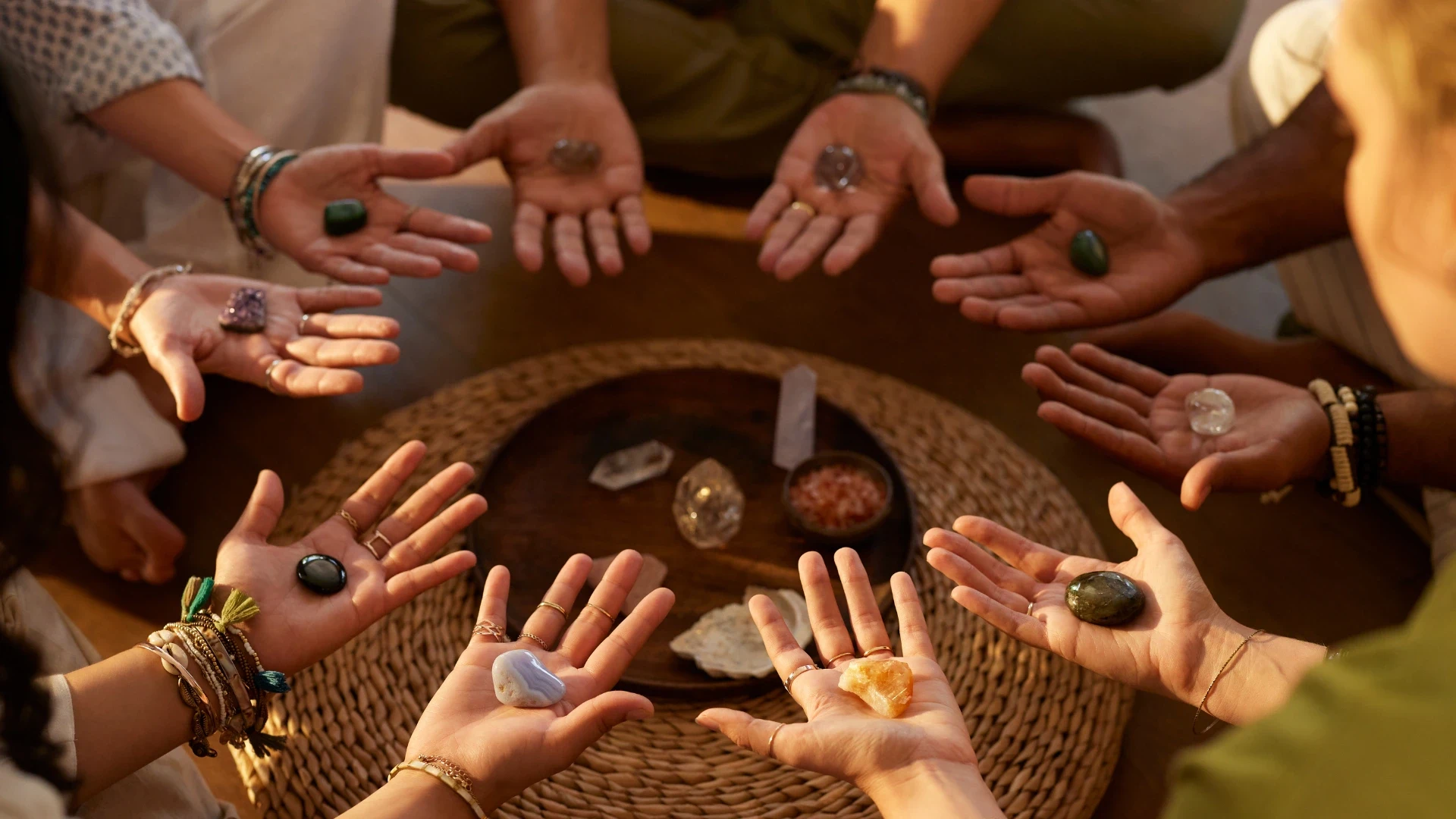
Why a Healing Center in Lombok Is Gaining Global Attention
The global wellness industry continues to expand rapidly, and Southeast Asia has become one of its most attractive destinations. Among these emerging locations, Healing Center in Lombok is gaining serious traction among foreign investors and wellness entrepreneurs.
Unlike Bali, which is already highly competitive, Lombok offers a more natural, less saturated environment, ideal for building a Healing Center in Lombok that focuses on authenticity, sustainability, and long-term growth.
As demand for mindfulness, holistic health, and retreat experiences increases, establishing a Healing Center in Lombok is no longer just a lifestyle choice, it is a strategic business move.
Why Lombok Is the Right Place for a Healing Center
Lombok offers a unique combination of natural beauty, cultural richness, and government-backed tourism development. These factors create a strong foundation for a successful Healing Center in Lombok.
First, Lombok is part of Indonesia’s priority tourism destinations. Areas like Mandalika have received significant infrastructure investment, which supports accessibility and long-term growth. This directly benefits any Healing Center in Lombok by improving connectivity for international visitors.
Second, Lombok’s environment is still relatively untouched. This allows investors to create a Healing Center in Lombok that emphasizes nature, tranquility, and exclusivity, key elements in the wellness industry.
Third, the cost of land and development is significantly lower compared to Bali. This makes it easier to enter the market and scale a Healing Center in Lombok without excessive capital pressure.
Best Locations to Build a Healing Center in Lombok
Choosing the right location is one of the most important decisions when developing a Healing Center in Lombok. Each area on the island offers a unique atmosphere, target market, and level of infrastructure, which will directly impact your concept, pricing strategy, and long-term success.
To help you evaluate your options, here are some of the most strategic locations:
- Kuta Mandalika
This area is rapidly developing as a premium tourism hub, supported by government-backed infrastructure projects. With international events, improved roads, and proximity to Lombok International Airport, Kuta Mandalika is ideal for investors targeting a broader global market. A Healing Center in Lombok located here can benefit from high visibility and accessibility while offering modern wellness experiences. - Senggigi
Known as one of Lombok’s original tourist destinations, Senggigi offers a more established hospitality ecosystem. With existing hotels, restaurants, and beachfront properties, it provides a balanced environment for mid-range to upscale wellness concepts. This area is suitable for investors who want a combination of steady tourist flow and relatively developed infrastructure. - North Lombok (Tanjung & Gili Surroundings)
This region is perfect for high-end, exclusive retreats. Its quieter environment, pristine beaches, and proximity to the Gili Islands make it highly attractive for luxury wellness concepts. Investors looking to create a private, premium experience will find this area ideal. - Central Lombok (Rural & Hillside Areas)
For eco-conscious and nature-based concepts, Central Lombok offers untouched landscapes, rice fields, and a tranquil atmosphere. This is the perfect setting for a retreat focused on mindfulness, sustainability, and holistic healing.
Ultimately, the success of your project depends on aligning your concept with the surrounding environment. A strategically located Healing Center in Lombok can elevate guest experience, strengthen your brand positioning, and significantly improve long-term profitability.
Legal Steps and Requirements
Setting up a Healing Center in Lombok requires a structured approach and a clear understanding of Indonesia’s legal and regulatory framework. For foreign investors, compliance is not just a formality, it is a critical foundation that determines whether your business can operate smoothly in the long term.
To help you navigate the process, here are the key legal steps and requirements:
- Establish a PT PMA (Foreign-Owned Company)
Foreign investors must set up a PT PMA as the legal entity to operate a Healing Center in Lombok. This structure allows full or partial foreign ownership depending on the business classification and ensures your operations are recognized under Indonesian law. - Company Name Reservation & Notarial Deed
The process begins with reserving your company name, followed by drafting the deed of establishment through a licensed notary. This document outlines shareholders, business activities, and capital structure. - Approval from the Ministry of Law and Human Rights
Once the deed is completed, it must be approved by the Ministry. This step officially legalizes your company as a corporate entity in Indonesia. - Tax Registration (NPWP)
Every company must obtain a Tax Identification Number (NPWP). This is essential for fulfilling tax obligations and conducting financial transactions for your Healing Center in Lombok. - Business Registration Through OSS (Online Single Submission)
The OSS system is used to obtain your Business Identification Number (NIB), which acts as your primary license. Depending on your business risk level, additional certifications or operational permits may be required. - Selecting the Correct KBLI (Business Classification)
Choosing the appropriate KBLI code is crucial. Your selected classification must accurately reflect the activities of your Healing Center in Lombok, such as wellness services, spa operations, or retreat accommodation. Incorrect classification can lead to licensing issues or operational restrictions. - Zoning and Land Use Compliance
Ensure that the land you plan to use is zoned for tourism or commercial purposes. Zoning compliance is strictly enforced, and failure to meet these requirements can result in penalties, operational delays, or even closure.
By carefully following these steps, you can establish a legally compliant and sustainable Healing Center in Lombok, minimizing risks while building a strong foundation for your investment.
Understanding OSS Licensing (2026 Update)
The OSS (Online Single Submission) system is the core of business licensing in Indonesia. Every Healing Center in Lombok must go through this system to obtain legal permits.
Under the risk-based approach, businesses are categorized into different risk levels. A Healing Center in Lombok typically falls under medium to high risk, depending on services offered (e.g., spa, wellness treatments, accommodation).
Key components include:
- NIB (Business Identification Number) as the primary license
- Standard Certificate or operational license depending on risk level
- Sector-specific approvals if required
The OSS system integrates multiple permits into one platform, improving efficiency and transparency. However, obtaining the NIB is only the beginning, additional requirements must be fulfilled before a Healing Center in Lombok can operate fully.
Cost to Open a Healing Center in Lombok
The cost of building a Healing Center in Lombok varies depending on scale, concept, and location.
Estimated Cost Components:
- Company setup (PT PMA): IDR 20 - 50 million
- Minimum paid-up capital: approx. IDR 2.5 billion
- Land acquisition or lease: varies significantly by location
- Construction and design: IDR 2 - 10 billion+ depending on concept
- Licensing and permits: variable depending on complexity
Overall, a mid-scale Healing Center in Lombok may require an initial investment of IDR 3 - 10 billion or more.
It is important to note that Indonesia requires a total investment plan of around IDR 10 billion for PT PMA companies, excluding land and buildings in some cases.
Business Compliance for a Healing Center in Lombok Indonesia
Compliance is one of the most critical aspects of operating a Healing Center in Lombok. While setting up the business is an important milestone, maintaining ongoing compliance is what ensures long-term stability, credibility, and uninterrupted operations.
Indonesia has been strengthening its regulatory enforcement in recent years, meaning businesses are now expected to be more transparent and aligned with official requirements. For any Healing Center in Lombok, this means building a strong compliance system from the beginning rather than treating it as an afterthought.
Here are the key compliance obligations you need to manage:
- Quarterly LKPM Reporting (Investment Activity Reports)
Companies are required to submit LKPM reports through the OSS system to update the government on business progress, investment realization, and operational activities. - Annual Corporate Tax Filing
Every business must submit an annual tax report and ensure all monthly tax obligations are fulfilled. Accurate financial reporting is essential to avoid penalties. - Maintaining Valid Licenses and Certifications
Business licenses, operational permits, and any sector-specific certifications must remain active and up to date. Expired permits can disrupt operations. - Operating Within Registered Business Activities
Your operations must strictly follow the activities stated in your KBLI classification. Expanding services without updating licenses can create compliance risks. - Alignment Between OSS Data and Actual Operations
The information registered in the OSS system must reflect real business activities. Any discrepancies can trigger audits or administrative issues. - Updating Permits When Business Activities Change
If your business evolves, for example, adding accommodation or new wellness services, you must update your licenses accordingly. - Internal Documentation and Record Keeping
Keeping proper records of contracts, employee data, and financial transactions helps ensure readiness for audits and inspections.
With stricter enforcement in place, compliance is no longer optional, it is a strategic requirement. A well-managed Healing Center in Lombok that prioritizes compliance will be better positioned for sustainable growth, investor confidence, and long-term success.
Tax Considerations for a Healing Center in Lombok
Taxation is another essential component when operating a Healing Center in Lombok.
Key taxes include:
- Corporate Income Tax (CIT): generally 22%
- Value Added Tax (VAT): typically 11% on applicable services
- Employee income tax (PPh 21)
- Local taxes (depending on services such as spa or accommodation)
Your Healing Center in Lombok must also comply with monthly and annual reporting requirements.
Proper tax planning is crucial to ensure efficiency and avoid penalties. Many investors underestimate this aspect, which can impact profitability.
Common Mistakes to Avoid
Entering the wellness industry can be highly rewarding, but many investors underestimate the complexity of setting up a Healing Center in Lombok. Without proper planning and understanding of local regulations, even a promising concept can face serious challenges. Being aware of common pitfalls can help you protect your investment and build a more sustainable business.
Here are some of the most frequent mistakes to avoid:
- Choosing the Wrong KBLI Classification
Selecting an incorrect business classification can lead to licensing issues and operational limitations. Your business activities must align precisely with the registered KBLI codes to ensure your permits remain valid. - Ignoring Zoning Regulations
Not all land in Lombok is approved for commercial or tourism use. Failing to verify zoning compliance before acquiring or leasing land can result in project delays, fines, or even forced closure. - Underestimating Compliance Requirements
Many investors assume that once the business is set up, the process is complete. In reality, ongoing obligations such as LKPM reporting, tax filing, and license renewals are essential to keep your operations legally compliant. - Relying on Informal or “Nominee” Structures
Using unofficial arrangements to bypass regulations may seem convenient at first, but it carries significant legal risks. These structures can create ownership disputes and limit your control over the business. - Overestimating Short-Term Returns
A Healing Center in Lombok is typically a long-term investment. Expecting quick profits without building strong branding, operations, and customer experience can lead to unrealistic financial projections. - Lack of Local Insight and Professional Guidance
Entering a new market without proper local knowledge can result in costly missteps. Working with experienced legal and business consultants helps ensure your Healing Center in Lombok is structured correctly from the beginning.
By avoiding these mistakes, investors can reduce risks, improve operational stability, and create a stronger foundation for long-term success.
Final Thoughts: Is It Worth It in 2026?
The opportunity to build a Healing Center in Lombok has never been more compelling. With growing global demand for wellness experiences and Indonesia’s improving investment framework, Lombok is positioned as a high-potential destination.
However, success depends on more than just location. A well-structured, legally compliant, and strategically planned Healing Center in Lombok is essential to navigate the evolving business landscape.
For investors willing to take a long-term approach, a Healing Center in Lombok offers not just financial returns, but the opportunity to build a meaningful, sustainable business in one of Southeast Asia’s most promising markets.
Source:
FAQ

Share the blog


Related News


SYNERGY PRO Business & Legal Consulting
Social Media


