.png)


Sumbawa Is the Next Emerging Market: 7 Opportunities

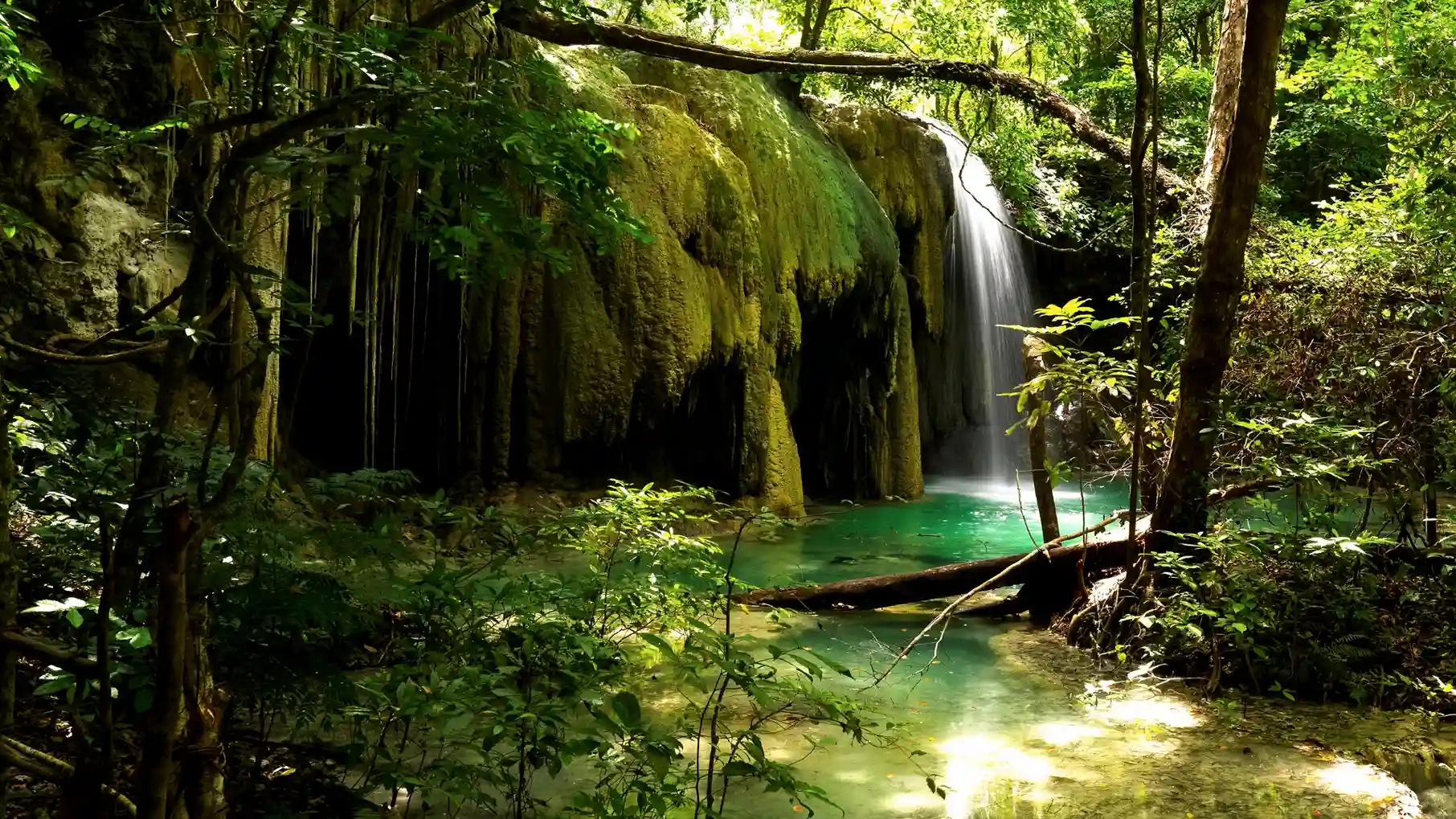
Sumbawa Is the Next Emerging Market: A New Investment Frontier
For years, Bali has dominated conversations about tourism and foreign investment in Indonesia. Lombok has increasingly followed, supported by the Mandalika Special Economic Zone and international sporting events.
Now, another destination is attracting attention: Sumbawa.
With extensive natural resources, beaches, marine destinations, agricultural potential, and relatively large areas of land, the island offers a very different investment environment from Bali.
This is why Sumbawa is the next emerging market for investors looking beyond Indonesia's most established tourism destinations.
The opportunity is not based on tourism alone. Government initiatives involving digital tourism promotion, regional infrastructure, investment facilitation, and preparations for PON XXII 2028 could contribute to a broader economic ecosystem.
For investors willing to enter an earlier-stage market, Sumbawa is the next emerging market worth watching.
Why Sumbawa Is Attracting More Attention
Sumbawa has historically received less international attention than Bali and Lombok. That lower profile, however, can also create opportunities.
The island has coastal destinations, marine ecosystems, agricultural land, cultural attractions, and areas with potential for tourism and other industries.
The Government of West Nusa Tenggara has identified tourism, agriculture, fisheries, livestock, renewable energy, and mineral resources among the province's strategic sectors.
At the provincial investment level, NTB reported that investment realization reached Rp61.1 trillion in 2025, with a 2026 target of Rp68.43 trillion. The province is also shifting investment priorities toward renewable energy, tourism, and agroindustry.
These developments support the argument that Sumbawa is the next emerging market within a wider transformation of the NTB economy.
1. Digital Tourism Is Expanding Sumbawa's Visibility
One of the most interesting developments is the increasing use of digital platforms to promote destinations.
In May 2026, the NTB Government announced that it was developing a digital cultural map to document and promote cultural destinations. The initiative began in Lombok and is planned to expand to Sumbawa.
This matters because destination visibility increasingly depends on digital discovery.
Travelers can discover beaches, villages, cultural attractions, diving locations, culinary experiences, and nature destinations without relying exclusively on traditional tourism campaigns.
For investors, better digital visibility can create demand for businesses serving visitors, including boutique accommodation, restaurants, transportation, tour operators, wellness businesses, and experience-based tourism.
This is one reason Sumbawa is the next emerging market for businesses that understand the relationship between tourism and digital marketing.
2. PON XXII 2028 Could Create New Economic Activity
Another factor placing Sumbawa on the investment radar is PON XXII 2028.
As of June 2026, the Ministry of Youth and Sports officially confirmed NTB, NTT, and DKI Jakarta as the host regions for PON XXII 2028.
Importantly, investors should not assume that every PON event will take place in Sumbawa. However, the Government of Sumbawa Regency has already consulted with the Ministry of Youth and Sports regarding preparations for PON XXII 2028. The discussion included venues and supporting facilities, with the local government acknowledging that some facilities still require improvement.
This creates potential opportunities around sports tourism and event-related demand.
Possible areas include:
- Accommodation
- Restaurants and catering
- Transportation
- Event services
- Sports facilities
- Tourism experiences
- Digital services
- Retail
- Local products
Therefore, Sumbawa is the next emerging market not because PON automatically guarantees investment returns, but because a major national event can accelerate infrastructure, visibility, and business activity when supported by appropriate local development.
3. Hospitality Could Grow With Tourism Demand
As more travelers discover Sumbawa, accommodation will become increasingly important.
The opportunity does not necessarily mean building large resorts.
Investors may also consider:
- Boutique hotels
- Eco-lodges
- Surf accommodation
- Wellness retreats
- Villa developments
- Guesthouses
- Branded accommodation
- Long-stay tourism concepts
The right concept will depend heavily on location, accessibility, zoning, environmental requirements, and target customers.
The development of tourism in Sumbawa should also be considered within the broader NTB tourism ecosystem. The province recorded more than 1.33 million domestic tourist trips in May 2026 alone, according to provincial government reporting based on BPS data.
For investors looking for an earlier-stage hospitality market, Sumbawa is the next emerging market with considerable room for development.
4. Marine and Coastal Tourism Offer Significant Potential
Sumbawa's coastline and marine resources create another potential investment segment.
Opportunities could include:
- Diving
- Snorkeling
- Surf tourism
- Fishing experiences
- Boat tours
- Island excursions
- Marine accommodation
- Sustainable coastal tourism
However, marine tourism must be developed responsibly.
In June 2026, the NTB Marine and Fisheries Agency held coordination and socialization activities concerning conservation-area fees in the Sumbawa–West Sumbawa region, involving tourism operators and tourist-boat businesses. The government linked these measures to sustainable conservation management, ecosystem protection, and community empowerment.
This is an important reminder that Sumbawa is the next emerging market only if investment growth is combined with environmental responsibility and regulatory compliance.
5. Agriculture and Agroindustry Are Also Growing
Sumbawa's opportunity is not limited to tourism.
Agriculture, livestock, fisheries, and food processing can potentially form another important investment ecosystem.
In February 2026, the NTB Government reported the start of an integrated poultry industry development program in Sumbawa, covering areas such as breeding, feed production, animal medicine, slaughtering, cold storage, logistics, and marketing.
This illustrates the broader direction of regional development: moving beyond raw production toward integrated value chains.
For investors, potential opportunities could therefore include food processing, cold-chain logistics, agricultural technology, livestock, fisheries, and supporting services.
This diversification strengthens the case that Sumbawa is the next emerging market for investors interested in sectors beyond conventional tourism.
6. Renewable Energy Could Become a Major Opportunity
Energy is another sector to watch.
The NTB Government has been promoting renewable-energy investment as part of the province's economic transformation. Its 2026 investment discussions with international partners included renewable energy alongside tourism and marine and fisheries sectors.
Sumbawa's geography and relatively large land availability may create potential for selected renewable-energy projects, subject to technical feasibility, spatial planning, environmental requirements, grid availability, and applicable investment regulations.
For investors with long-term strategies, Sumbawa is the next emerging market where tourism and infrastructure could potentially develop alongside clean-energy investment.
7. Early-Mover Opportunities Could Be Attractive
One of the biggest differences between Sumbawa and Bali is the stage of market development.
Bali already has mature tourism infrastructure, established brands, strong competition, and relatively high land and operating costs in many popular areas.
Sumbawa remains less developed in many locations.
That can create an early-mover advantage for businesses that enter strategically.
However, early entry also means investors may face challenges involving infrastructure, skilled labor, connectivity, supply chains, utilities, and market education.
Investors should therefore avoid treating Sumbawa is the next emerging market as a guarantee of success.
Instead, it should be viewed as an investment thesis requiring careful due diligence.
What Investors Should Check Before Entering Sumbawa
The potential is significant, but investors should conduct the same level of legal and commercial due diligence they would apply anywhere in Indonesia.
Before establishing a business or acquiring property, investors should review:
- Appropriate business structure
- KBLI classification
- Foreign investment restrictions
- OSS licensing requirements
- Land title and land-use status
- Regional zoning and spatial planning
- Environmental requirements
- Building approvals
- Tax obligations
- Employment requirements
- Infrastructure availability
For tourism projects, investors should also investigate whether the proposed location is compatible with the applicable tourism and spatial-planning framework.
This is especially important because a beautiful coastal or rural location does not automatically mean that commercial development is permitted.
Understanding the regulatory environment is therefore essential if Sumbawa is the next emerging market for your investment strategy.
A New Chapter for Sumbawa
Sumbawa may not become another Bali and it does not need to.
Its competitive advantage could come from offering something different: more space, natural assets, emerging tourism destinations, agricultural potential, marine resources, and opportunities for responsible long-term development.
Digital promotion can help introduce Sumbawa to a wider audience, while PON XXII 2028 provides another platform for NTB to strengthen its national profile. The involvement of Sumbawa in PON preparations further demonstrates that the island is part of the region's wider development conversation.
For investors, the question is not simply whether Sumbawa is the next emerging market.
The more important question is:
What kind of business will be ready when Sumbawa's next growth phase arrives?
Source:
FAQ

Share the blog


Related News


SYNERGY PRO Business & Legal Consulting
Social Media


