.png)


The 4 Sempadan Rules in Bali That Could Affect Your Development Plans

What Are the Sempadan Rules in Bali?
The Sempadan rules in Bali refer to legally protected setback zones established under Indonesian spatial planning and environmental regulations. These setback areas create minimum distances between buildings and specific natural or man-made features such as roads, coastlines, rivers, and cliffs.
The objective of the Sempadan rules in Bali is to ensure safe development while preserving environmental resources and maintaining orderly urban planning. These requirements are evaluated during the permit approval process, including Building Approval Permit (PBG) applications and other development assessments.
The Sempadan rules in Bali are implemented through a combination of national regulations, provincial regulations, local spatial planning documents (RTRW), detailed spatial plans (RDTR), and technical requirements issued by relevant government authorities.
Because each location may have unique planning conditions, understanding the Sempadan rules in Bali should be an important part of any property due diligence process.
1. Sempadan Bangunan
One of the most common and important Sempadan rules in Bali is Sempadan Bangunan.
Sempadan Bangunan refers to the minimum distance that a building must maintain from roads, property boundaries, public infrastructure, and other designated areas. These requirements are often implemented through Garis Sempadan Bangunan (GSB) regulations and local planning policies.
The purpose of this aspect of the Sempadan rules in Bali includes:
- Maintaining urban order and aesthetics
- Supporting emergency access
- Protecting infrastructure corridors
- Improving ventilation and sunlight access
- Enhancing public safety
- Supporting future infrastructure development
The required setback distance varies depending on factors such as:
- Road classification
- Building function
- Zoning designation
- Local government regulations
- RDTR provisions
For example, a commercial property located along a major road may be required to maintain a larger setback than a residential building situated on a smaller local road.
Many investors overlook this component of the Sempadan rules in Bali when evaluating land. As a result, they may overestimate the amount of usable development space available on a property.
Before purchasing land, it is important to verify applicable setback requirements because they can significantly influence project feasibility and building design.
2. Sempadan Pantai (Coastal Setback)
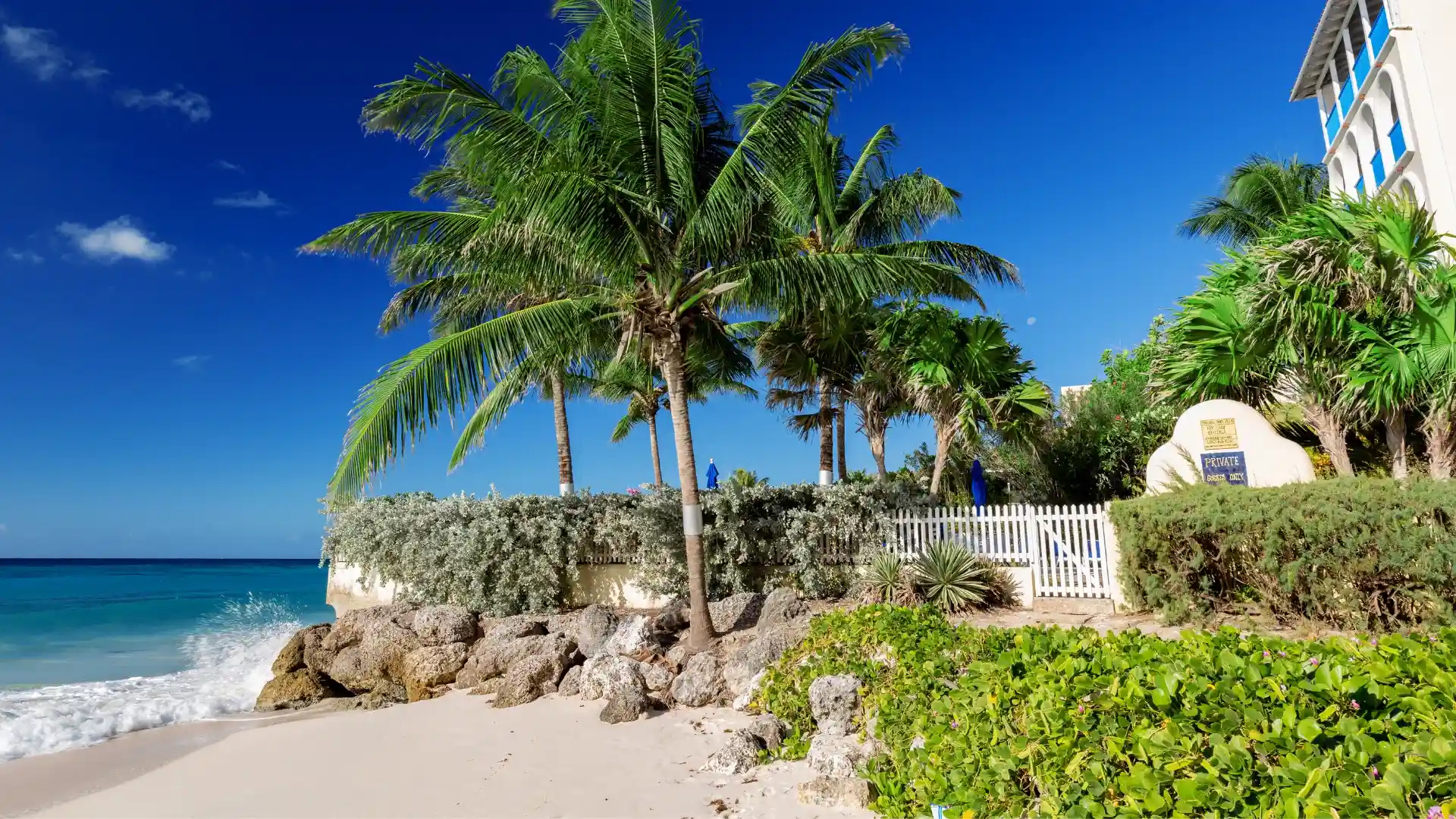
Another critical component of the Sempadan rules in Bali is Sempadan Pantai, which governs development near coastlines.
Beachfront properties are among the most desirable real estate assets in Bali. Investors are often attracted to coastal locations because of their tourism potential, premium market value, and attractive views. However, coastal land is also subject to strict setback regulations.
Sempadan Pantai is intended to protect:
- Coastal ecosystems
- Public access to beaches
- Environmental sustainability
- Erosion-prone areas
- Tsunami mitigation zones
- Natural coastal landscapes
Under Indonesian regulations, coastal setback areas are generally measured from the highest tide line toward inland areas. The specific setback requirements may vary depending on local planning policies, environmental conditions, and spatial planning designations.
Many investors mistakenly assume that beachfront ownership allows them to build directly adjacent to the shoreline. However, the Sempadan rules in Bali may prohibit or limit construction within designated coastal setback zones.
This means that a significant portion of a beachfront property may not be available for development. Consequently, investors should evaluate coastal setback restrictions before finalizing any acquisition or development plans.
Because coastal properties often command premium prices, understanding this aspect of the Sempadan rules in Bali can help investors avoid costly surprises after a transaction has already been completed.
3. Sempadan Sungai (River Setback)
River setback requirements represent another important category within the Sempadan rules in Bali.
Many popular areas in Bali, including Ubud, Tegalalang, and other inland tourism destinations, feature rivers, valleys, and watercourses that contribute to the island's natural beauty. Properties located near rivers are often highly desirable because of their scenic views and tranquil environments.
However, development near rivers is subject to specific restrictions.
Sempadan Sungai exists to:
- Preserve natural water flow
- Reduce flood risks
- Protect water quality
- Prevent erosion
- Maintain environmental sustainability
- Support long-term ecosystem health
The required setback distance may depend on various factors, including river width, location, embankment conditions, and applicable planning regulations.
One of the challenges associated with the Sempadan rules in Bali is that multiple restrictions may apply simultaneously. For example, a project may satisfy zoning requirements while still violating river setback regulations.
Investors should therefore conduct thorough due diligence to identify all applicable setback requirements before preparing development plans.
Failure to consider this aspect of the Sempadan rules in Bali can lead to delays during permit applications and may require significant modifications to architectural designs.
4. Sempadan Jurang (Cliff Setback)
Among the most overlooked Sempadan rules in Bali is Sempadan Jurang, which affects developments located near cliffs, ravines, and steep natural slopes.
Bali's dramatic cliffside landscapes are particularly popular among luxury villa developers and hospitality investors. Areas such as Uluwatu, Pecatu, Bingin, and parts of Nusa Dua offer spectacular ocean views that attract premium tourism projects.
Despite their commercial appeal, these locations are subject to important safety and environmental considerations.
Sempadan Jurang is intended to protect:
- Structural stability
- Public safety
- Natural landscapes
- Geological integrity
- Drainage systems
- Erosion control
Building too close to a cliff edge can increase risks associated with landslides, soil movement, and long-term structural instability. As a result, the Sempadan rules in Bali often require setback distances that consider local topographical conditions and engineering assessments.
Unlike some other setback categories, cliff setback requirements may vary depending on site-specific circumstances. This makes professional evaluation particularly important for cliffside developments.
Investors planning luxury villas, resorts, restaurants, or commercial projects near cliff areas should carefully assess how the Sempadan rules in Bali may affect building placement and overall project feasibility.
Ignoring these requirements can create significant challenges during both the permitting and construction phases of development.
How the Sempadan Rules in Bali Affect PBG Approval
Indonesia's licensing system has undergone significant reforms in recent years. The previous Building Construction Permit (IMB) system has been replaced by the Building Approval Permit (PBG), which places greater emphasis on compliance with spatial planning regulations.
When authorities review a proposed development, they evaluate numerous factors, including:
- Zoning compatibility
- Land-use designation
- Environmental considerations
- Building design
- Access requirements
- Infrastructure availability
- The applicable Sempadan rules in Bali
Failure to comply with the Sempadan rules in Bali can result in requests for design revisions, permit delays, additional assessments, or rejection of the proposed plans.
Developers who identify setback requirements early in the planning process are generally able to avoid unnecessary costs and administrative complications.
As Bali continues to strengthen spatial planning enforcement, compliance with the Sempadan rules in Bali has become increasingly important for both domestic and foreign investors.
Common Mistakes Developers Make
Despite the importance of these regulations, many investors continue to make avoidable mistakes when acquiring or developing land.
Assuming the Entire Land Area Is Buildable
One of the most common misconceptions is that the total land area shown on a certificate represents the total buildable area.
In reality, the Sempadan rules in Bali may reduce the usable development area considerably. This is particularly common for beachfront, riverside, and cliffside properties.
Ignoring Local RDTR Requirements
The Sempadan rules in Bali are often implemented through local spatial planning regulations and detailed spatial plans (RDTR). Requirements may vary between different regencies and municipalities.
Failing to review local planning requirements can create significant compliance risks.
Purchasing Land Before Conducting Due Diligence
Many investors negotiate lease agreements or complete purchases before verifying whether the property is affected by the Sempadan rules in Bali.
By the time restrictions are discovered, redesigning the project or renegotiating contractual terms may be difficult.
Relying on Informal Information
Property agents, neighbors, and local contacts may provide useful insights, but they should not be considered a substitute for professional verification.
The Sempadan rules in Bali should always be confirmed through official planning documents and regulatory assessments.
Latest Regulatory Framework Affecting Development in Bali
As of 2026, property development in Bali continues to be governed by a combination of national and regional regulations.
Key regulations influencing the Sempadan rules in Bali include:
- Law No. 26 of 2007 concerning Spatial Planning.
- Government Regulation No. 21 of 2021 concerning Spatial Planning Implementation.
- Government Regulation No. 16 of 2021 concerning Building Regulations.
- Minister of Public Works and Housing Regulation No. 28/PRT/M/2015 concerning River and Lake Border Lines.
- Applicable Provincial Spatial Planning Regulations (RTRW Bali).
- Local RDTR regulations issued by relevant regencies and municipalities.
In addition, Bali has strengthened oversight of land utilization and development activities through regional planning policies designed to preserve environmental sustainability and support responsible investment.
Because regulatory requirements continue to evolve, investors should regularly review the latest developments affecting the Sempadan rules in Bali before proceeding with any project.
A Practical Due Diligence Checklist
Before acquiring land or commencing development, investors should perform a comprehensive assessment that includes the following:
Verify Zoning Status
Confirm that the land is located within a zone that permits the intended development activity.
Review Applicable RDTR Provisions
Detailed spatial plans often contain important information regarding the Sempadan rules in Bali and other development restrictions.
Assess Coastal Setback Requirements
For beachfront properties, determine whether coastal setback regulations affect the proposed building area.
Assess River Setback Requirements
Properties located near rivers should be reviewed for compliance with river setback regulations.
Assess Cliff Setback Requirements
Cliffside developments should include technical assessments addressing slope stability and setback requirements.
Confirm Building Setback Requirements
Understanding local building setbacks is a critical part of complying with the Sempadan rules in Bali.
Evaluate Permit Feasibility
A preliminary permit assessment can identify potential issues before significant investments are made.
Conduct Legal Due Diligence
Review ownership documents, land status, existing permits, and potential encumbrances.
Consult Compliance Professionals
Experienced consultants can help interpret the Sempadan rules in Bali and identify risks that may not be immediately apparent.
Source:
FAQ

Share the blog


Related News


SYNERGY PRO Business & Legal Consulting
Social Media


