.png)


The Ultimate 6 Core to Hospitality Staff Emergency Training in Bali’s Tourism Industry in 2026 and Beyond
The Rising Need for Hospitality Staff Emergency Training in Bali
Bali continues to position itself as one of Asia’s premier tourism destinations. With international arrivals steadily recovering and expanding beyond pre-pandemic levels, the island’s hospitality sector is experiencing rapid growth. New luxury resorts, boutique villas, beach clubs, wellness retreats, and digital nomad hubs are opening across popular areas such as Uluwatu, Seminyak, Canggu, and Ubud. As visitor numbers rise and guest demographics diversify, including elderly travelers, long-stay expatriates, and remote workers, the operational complexity of managing safety risks increases significantly. In this evolving environment, Hospitality Staff Emergency Training is no longer a secondary consideration but a fundamental business requirement.
At the heart of this conversation lies the concept of “duty of care.” For hotels and tourism operators, duty of care is both a legal responsibility and an ethical commitment to safeguard guests from foreseeable harm. Indonesian regulations on workplace safety, tourism standards, and disaster preparedness reinforce this obligation. Beyond compliance, however, guest safety is directly tied to brand reputation. A single poorly handled emergency can rapidly escalate into reputational damage amplified by social media and global news coverage.
Recent incidents, ranging from sudden medical emergencies to extreme weather events and fire hazards, have exposed gaps in readiness across parts of the industry. In many cases, the difference between life-saving intervention and tragic outcome depends on immediate response in the first critical minutes. Structured Hospitality Staff Emergency Training equips frontline employees with the skills to respond calmly, administer first aid, coordinate evacuations, and activate emergency protocols efficiently. As Bali’s tourism sector moves into 2026 and beyond, strengthening Hospitality Staff Emergency Training will be essential to protecting guests, ensuring compliance, and maintaining operational excellence.
Understanding Duty of Care in the Tourism Sector
In the hospitality context, “duty of care” refers to the legal and ethical obligation of hotels, resorts, villas, and tourism operators to take reasonable steps to protect guests from harm. This responsibility applies from the moment a guest enters the property until check-out and extends to facilities, activities, and services provided on-site. Duty of care is not limited to preventing accidents; it also includes responding appropriately when emergencies occur. For Bali’s tourism businesses, this means anticipating foreseeable risks, from medical incidents to natural disasters, and ensuring systems are in place to manage them effectively.
The legal foundation for duty of care in Indonesia is grounded in several regulatory frameworks. The Indonesian Manpower Law requires employers to implement occupational health and safety measures for workers, which indirectly supports guest safety through trained personnel and safe environments. Consumer protection regulations emphasize the obligation of service providers to ensure safety and quality standards. In addition, tourism regulations and local government guidelines reinforce the expectation that licensed tourism operators maintain adequate safety procedures and emergency readiness.
However, duty of care goes beyond regulatory compliance or having written Standard Operating Procedures stored in a manual. Practical readiness requires active implementation, regular drills, clear communication chains, accessible emergency equipment, and structured Hospitality Staff Emergency Training. Without proper training, even well-documented procedures may fail under pressure. Today’s domestic and international guests expect rapid, competent responses during crises. Many travelers assume that resort staff are capable of administering basic first aid, guiding evacuations, or coordinating medical assistance. Meeting these expectations consistently requires ongoing Hospitality Staff Emergency Training, ensuring that safety is embedded into daily operations rather than treated as a formality.
Key Emergency Scenarios in Bali’s Tourism Landscape
Bali’s vibrant tourism environment presents a wide range of potential emergency situations that hospitality operators must be prepared to handle. Among the most critical are medical incidents. With increasing numbers of elderly travelers, long-haul visitors, and guests engaging in physically demanding activities, cases of heart attack, heatstroke, dehydration, allergic reactions, and sudden illness are not uncommon. In such moments, the first few minutes are crucial. Staff members who can recognize symptoms early and initiate immediate response procedures can significantly improve outcomes.
Natural disasters also form part of Bali’s risk profile. Monsoon storms may cause flooding and power outages, while earthquakes and volcanic activity remain realistic concerns due to Indonesia’s geographic location along the Ring of Fire. Coastal properties must also consider tsunami evacuation readiness. Clear evacuation routes, communication protocols, and calm leadership are essential during such events. Fire hazards, whether originating from kitchens, electrical systems, or guest rooms, present additional risks that require prompt containment and coordinated evacuation.
Beyond environmental and medical risks, tourism-related incidents such as guest intoxication, swimming pool accidents, water sports injuries, and transport-related mishaps can occur unexpectedly. These scenarios demand not only technical knowledge but also composure and decisive action. Comprehensive Hospitality Staff Emergency Training ensures employees can identify warning signs, take immediate protective steps, and escalate the situation to medical professionals or authorities without hesitation. By preparing teams for these varied scenarios, structured Hospitality Staff Emergency Training transforms unpredictable crises into manageable situations handled with confidence and professionalism.
Core Hospitality Staff Emergency Training Skills Every Property Needs
A well-structured safety framework in hotels and resorts must go beyond written procedures. It requires practical, hands-on competencies embedded across departments. Comprehensive Hospitality Staff Emergency Training ensures that every team member, from front desk personnel to housekeeping and security can respond effectively when seconds matter.
1. CPR & Basic Life Support
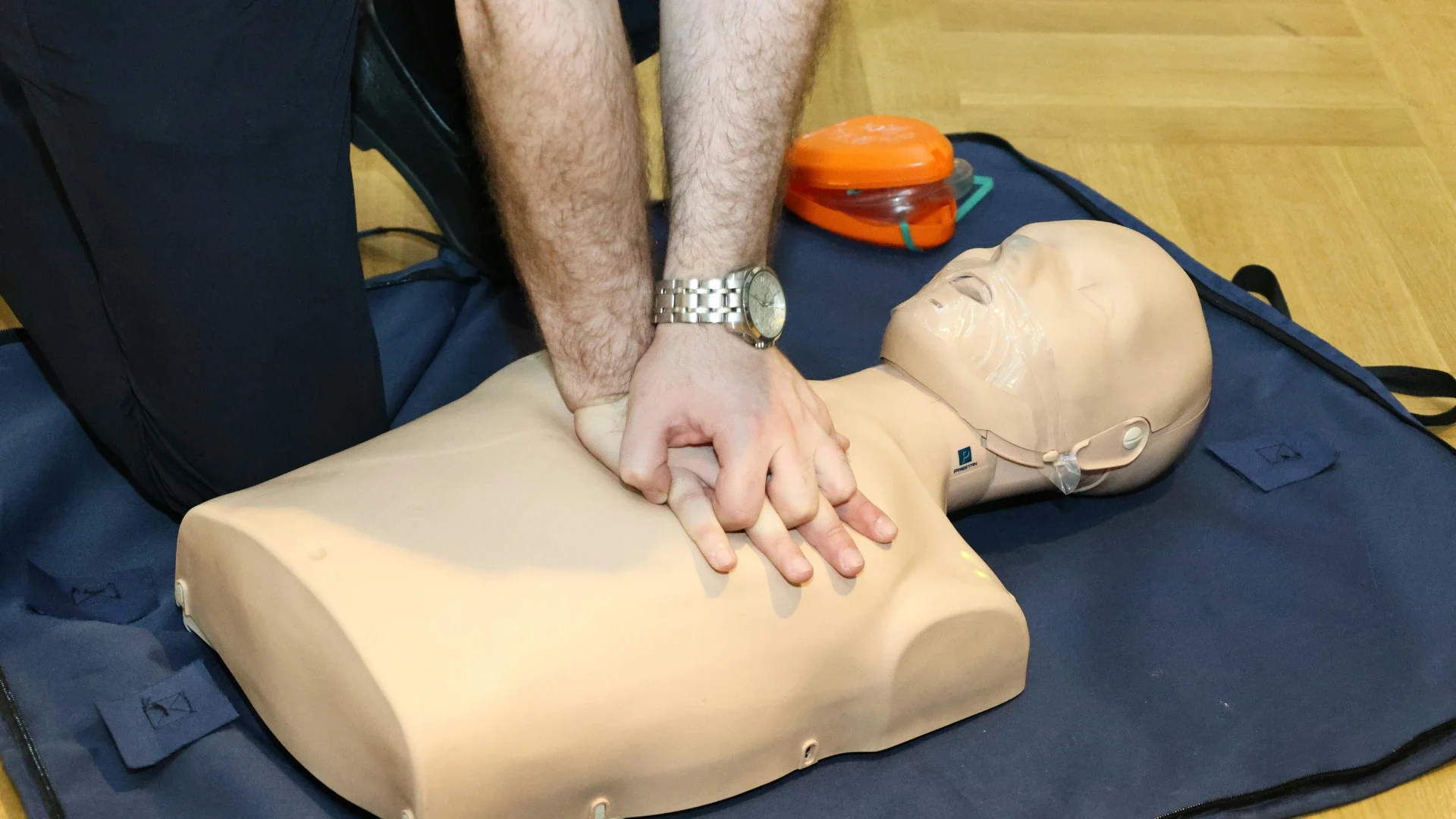
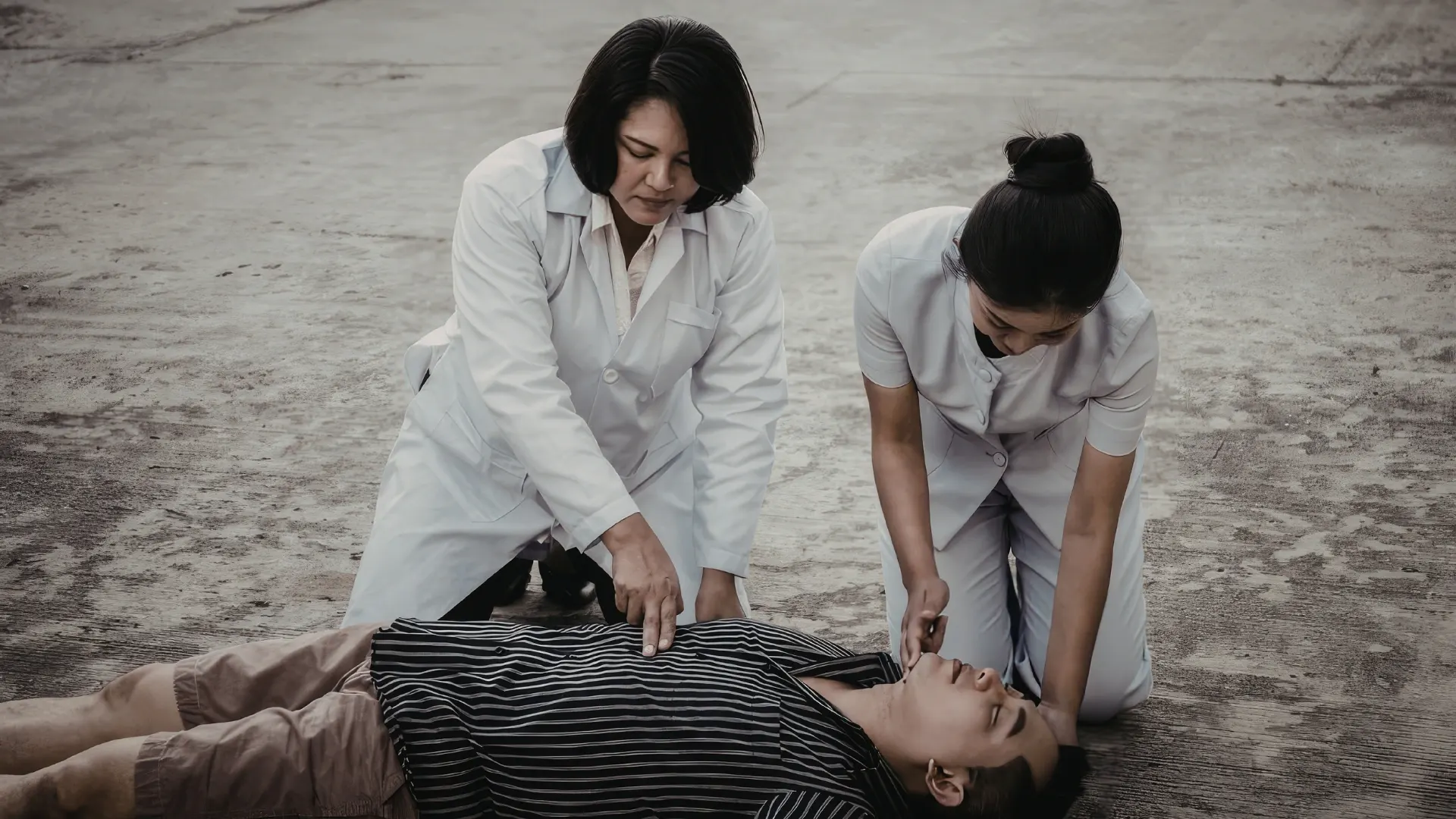
Cardiopulmonary Resuscitation (CPR) and Basic Life Support (BLS) are foundational skills for frontline hospitality employees. Sudden cardiac arrest can happen without warning, and survival rates decrease significantly with each minute that passes without intervention. In many emergency situations, professional medical responders may take time to arrive, especially in high-traffic or remote tourism areas.
CPR certification empowers staff to provide immediate assistance, maintaining circulation and oxygen flow until paramedics take over. Regular recertification ensures techniques remain accurate and effective, reinforcing the importance of ongoing Hospitality Staff Emergency Training across the organization.
2. First Aid & Wound Care
Minor injuries such as cuts, burns, allergic reactions, sprains, or falls are relatively common in hospitality environments. Proper first aid knowledge enables staff to stabilize guests, prevent complications, and document incidents correctly. Employees must also be familiar with the location and contents of first aid kits throughout the property.
Routine refresher sessions are essential. Skills can deteriorate without practice, and updated protocols may emerge over time. Structured practice sessions strengthen both competence and confidence.
3. AED (Automated External Defibrillator) Use
AEDs are critical devices designed to restore normal heart rhythm during cardiac arrest. However, their effectiveness depends entirely on trained operators. Staff must understand how to activate, position, and operate an AED quickly, as well as know precisely where devices are located on the premises.
Globally, documented cases show that immediate AED access significantly improves survival outcomes. Integrating AED competency into Hospitality Staff Emergency Training bridges the gap between initial collapse and professional medical intervention.
4. Fire Safety & Evacuation Protocols
Fire emergencies demand swift coordination. Employees should know how to operate extinguishers, identify fire classes, guide guests to assembly points, and prevent smoke inhalation risks. Clear leadership during evacuation prevents panic and reduces injury. Regular drills help ensure that theoretical knowledge translates into decisive action under pressure.
5. Communication & Panic Management
During crises, communication can determine whether a situation escalates or stabilizes. Staff must remain calm, provide clear instructions, and manage crowds effectively. This soft-skill dimension, emotional control, assertiveness, and clarity is an integral component of effective emergency preparedness programs.
6. Natural Disaster Response
Given Bali’s geographic context, earthquake drills, tsunami evacuation route awareness, and monsoon preparedness must be embedded into operational planning. Staff should understand warning signals, safe zones, and coordination procedures with local authorities.
By embedding these competencies into daily culture, Hospitality Staff Emergency Training transforms safety from a policy requirement into an operational strength that protects guests, staff, and the long-term reputation of the property.
Regulatory & Compliance Standards Impacting Hospitality Staff Training
In Indonesia, safety readiness in the tourism sector is not merely a best practice, it is increasingly embedded within regulatory frameworks. Hotels, resorts, villas, and other tourism operators must comply with licensing requirements processed through PTSP (One-Stop Integrated Services) and the OSS (Online Single Submission) system. Depending on business classification and risk level, operators may be required to demonstrate compliance with safety management standards, including documented procedures, risk assessments, and staff preparedness measures. In practice, this elevates Hospitality Staff Emergency Training from an internal policy choice to a compliance-related necessity.
The Indonesian Manpower Law further reinforces employer obligations to implement occupational health and safety (K3) measures. While the law primarily focuses on worker protection, trained and safety-aware employees contribute directly to guest protection as well. Employers are expected to provide adequate instruction, supervision, and preventive measures to minimize workplace risks. In hospitality environments, where staff interact continuously with guests, this expectation naturally extends to emergency response competence.
Additionally, local disaster management agencies such as BPBD issue guidance during extreme weather conditions, earthquakes, and other emergencies. Tourism operators are encouraged to establish evacuation procedures, maintain communication systems, and coordinate with authorities when warnings are issued. Failure to respond appropriately during a crisis can expose businesses to legal and reputational consequences.
On a broader scale, international hospitality accreditation bodies and ISO-based safety standards increasingly assess risk management systems as part of certification processes. Structured Hospitality Staff Emergency Training aligns with these evolving expectations, demonstrating proactive risk mitigation and responsible governance. As regulatory scrutiny and global safety benchmarks continue to advance, emergency preparedness is becoming an integral component of compliance strategy rather than a reactive measure.
Building a Sustainable Hospitality Staff Emergency Training Program, Step by Step
Developing an effective emergency preparedness framework requires more than a one-time seminar. A structured and sustainable Hospitality Staff Emergency Training program must be carefully designed, implemented, and continuously improved to remain effective in Bali’s dynamic tourism environment.
Step 1: Risk Assessment & Identifying Training Needs
Every property should begin with a comprehensive risk assessment. This involves identifying potential hazards specific to the location, such as proximity to the coastline, earthquake-prone zones, high-traffic kitchen areas, or swimming pools. Management should evaluate historical incidents, guest demographics, and operational complexity. The outcome of this assessment determines which competencies are most critical, whether advanced medical response, evacuation drills, or crisis communication skills.
Step 2: Partnering with Certified Trainers
Collaborating with accredited first aid institutions, Red Cross-certified trainers, or licensed safety consultants ensures that training content meets recognized standards. Certified instructors provide structured modules in CPR, AED usage, fire safety, and disaster response, ensuring staff acquire both theoretical understanding and practical application skills.
Step 3: Scheduling Periodic Refreshers & Simulations
Emergency skills degrade without practice. Regular refresher courses and realistic simulations reinforce muscle memory and confidence. Mock drills, such as simulated guest cardiac arrest scenarios or fire evacuation exercises, help employees apply procedures under pressure. Consistent Hospitality Staff Emergency Training sessions cultivate preparedness rather than passive awareness.
Step 4: Certification Tracking & Competency Validation
Management should maintain updated records of staff certifications, renewal dates, and performance evaluations. Tracking ensures compliance with regulatory expectations and internal standards. Periodic competency assessments confirm that employees remain capable of executing emergency protocols effectively.
Step 5: Integrating SOPs & Reporting Procedures
Training must align with documented Standard Operating Procedures. For example, front desk teams should know how to activate emergency alerts and coordinate ambulance services. Housekeeping staff must understand their role in fire prevention and evacuation guidance. Food and beverage personnel should be prepared to respond to allergic reactions or choking incidents swiftly.
When systematically embedded into daily operations, Hospitality Staff Emergency Training evolves into a continuous capability-building process. Over time, this sustained framework strengthens confidence, sharpens response times, and ensures that emergency readiness becomes an integral part of the property’s operational culture rather than a compliance formality.
Technology & Tools That Support Emergency Readiness
Modern hospitality operations increasingly rely on technology to strengthen crisis preparedness and response speed. In Bali, where natural and environmental risks are part of the landscape, digital tools play a crucial role in early warning and coordinated action. Mobile alert applications from BMKG (Meteorology, Climatology, and Geophysics Agency) and local BPBD offices provide real-time updates on earthquakes, extreme weather, and other potential hazards. Integrating these alerts into internal protocols ensures that management can activate emergency procedures without delay.
Internal communication systems are equally important. Dedicated crisis channels via radio, secure messaging platforms, or centralized alert dashboards allow teams to relay instructions quickly and prevent misinformation. Clear communication supports calm, organized action, especially during evacuations or medical incidents.
Physical infrastructure also strengthens readiness. Clearly marked first aid stations, strategically placed AED devices, and visible evacuation signage help staff act decisively. However, equipment alone is insufficient without the knowledge to use it effectively. Digital learning platforms and simulation software now support ongoing Hospitality Staff Emergency Training, enabling staff to refresh skills and complete certification modules efficiently. In remote villas or expansive resort areas, wearable panic buttons add another layer of protection by allowing rapid distress signaling.
When combined thoughtfully, these tools reinforce Hospitality Staff Emergency Training and ensure that preparedness is both proactive and practical.
Case Study, Lessons from the Ayana Resort Incident
One widely discussed incident that brought renewed attention to emergency preparedness in Bali’s hospitality sector involved AYANA Resort Bali. In this case, a foreign tourist reportedly suffered a sudden heart attack while staying at the resort. According to circulating reports and public discussion, questions were raised regarding the immediate response and whether on-site personnel were adequately prepared to administer CPR or advanced first aid before medical responders arrived.
While the full internal details of the case were not publicly disclosed, the situation sparked broader debate about readiness standards in high-end resorts. Luxury branding alone does not guarantee emergency competence. In time-critical medical events such as cardiac arrest, survival often depends on immediate CPR and early defibrillation within the first few minutes. Even short delays in response can significantly affect outcomes.
This incident highlighted a crucial industry lesson: written safety policies are insufficient without practical capability. Structured Hospitality Staff Emergency Training, including CPR certification, AED operation, and coordinated emergency communication can determine whether staff react decisively or hesitate under pressure. In environments welcoming thousands of international guests annually, relying solely on external medical services is not enough.
The takeaway for Bali’s tourism operators is clear. Regardless of property size or market positioning, preparedness must be embedded into daily operations. Continuous drills, certified instruction, and accountability mechanisms ensure that emergency response is proactive rather than reactive. Strengthening Hospitality Staff Emergency Training is not only about regulatory compliance, it is about upholding duty of care, protecting human life, and safeguarding long-term reputation in a globally competitive tourism market.
Source:
FAQ

Share the blog


Related News


SYNERGY PRO Business & Legal Consulting
Social Media


