.png)


The Vital Role of Pest Control in Bali and Lombok Foreign Businesses Never Expect in Tropical Settings 2026
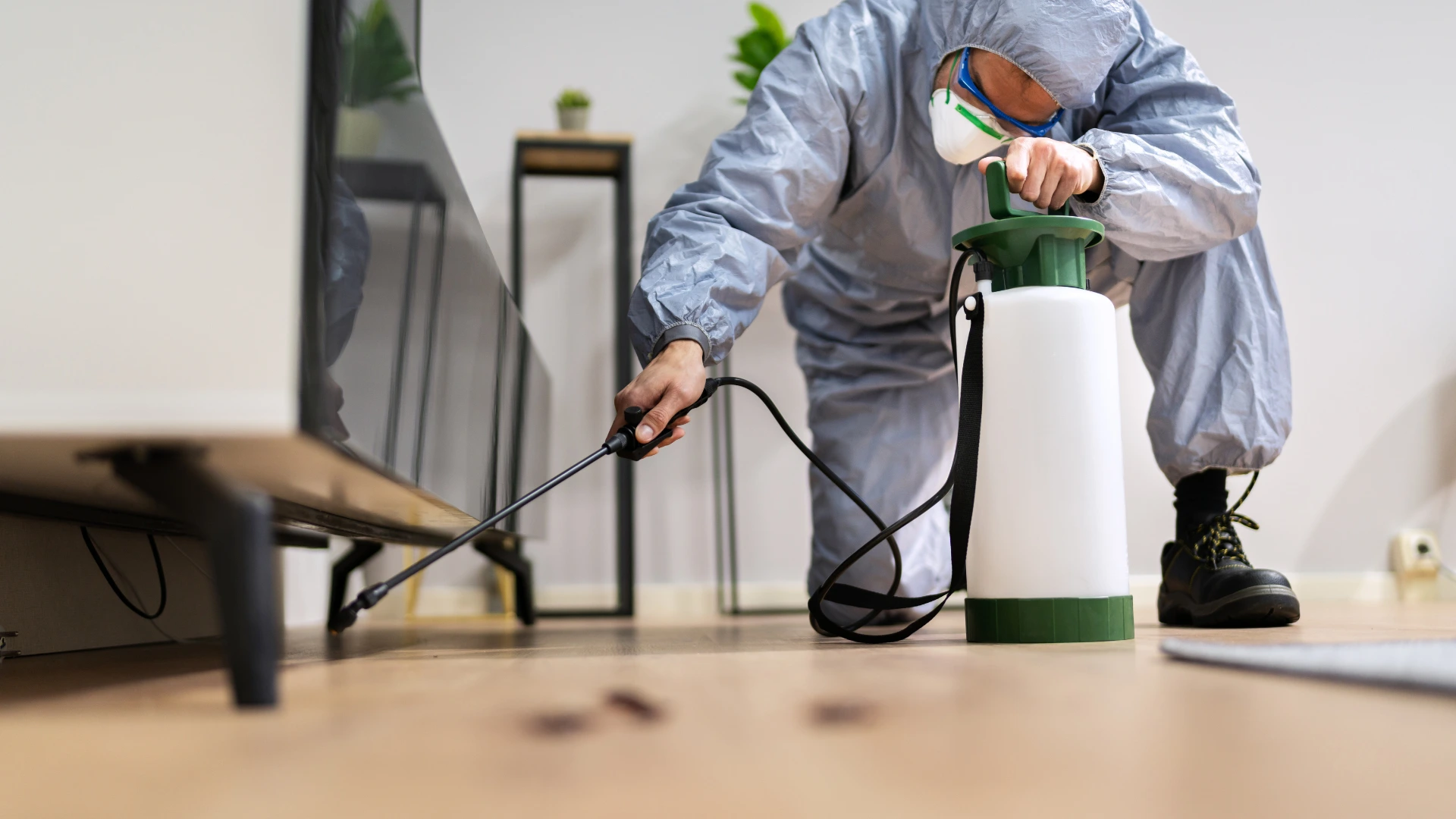

The Hidden Battle Businesses Don’t See Coming
Visitors often see Bali and Lombok as tropical success stories, sunshine, booming tourism, and steady growth. But behind the steady flow of customers and investment lies an unseen threat many foreign business owners underestimate. Operating in a climate where pests thrive year-round is a challenge that quietly affects almost every industry, from hospitality and retail to F&B and villa management. This is where Pest Control in Bali and Lombok becomes not just a line item, but a foundation for business continuity.
The region’s climatic profile plays a crucial role in escalating the problem. With 70–90% humidity, consistently warm temperatures, and a monsoon season that accelerates pest breeding, businesses face an environment where insects and rodents can multiply rapidly. What seems like a small nuisance can quickly escalate into operational disruptions, customer complaints, inventory damage, and even legal or health compliance issues.
For many foreign investors, this hidden battle often comes as a surprise. Unlike seasonal climates where pests disappear in winter, Bali and Lombok experience a constant cycle of activity. This makes Pest Control in Bali and Lombok a strategic necessity, not a reactive fix.
In this article, we’ll explore the realities behind operating in a high-humidity, tropical environment, the pests that most commonly threaten businesses, how different sectors are affected, and the proactive strategies that keep companies protected. Consider this your practical introduction to safeguarding your investment before the unseen becomes unmanageable.
Why the Tropics Create a Perfect Storm for Pest Growth
The tropical climate of Bali and Lombok creates conditions that are ideal for rapid pest development, far more intense than what many foreign business owners are familiar with. Warm temperatures act as a natural incubator, while high humidity ensures that insects and microorganisms stay active around the clock. One of the biggest oversights is underestimating how fast pests multiply without proper Pest Control in Bali and Lombok. In the tropics, a single breeding cycle can turn into an infestation in just days, not weeks.
What surprises many business operators is that even spotless, well-maintained buildings are not immune. “Clean” is not the same as “sealed.” Structural gaps, often found in traditional architecture, wooden frames, porous building materials, and natural ventilation designs, create easy entry points. Surrounded by lush vegetation, businesses also sit in the middle of active pest ecosystems. Termites follow moisture trails in wood, ants establish hidden colonies behind walls, and humidity-loving insects like booklice and mold mites flourish even in air-conditioned rooms.
Air conditioning provides comfort but not full protection. Foreign businesses often assume air conditioning alone can reduce risk, but true prevention requires structured Pest Control in Bali and Lombok planning. AC systems may reduce some moisture, but they cannot keep pests out, eliminate hidden nests, or prevent the rapid growth triggered by monsoon rains.
Specific insects are particularly notorious in tropical environments. Termites can silently cause structural damage; tropical ants invade kitchens and storage areas; cockroaches thrive in warm, damp corners; and mold insects appear wherever humidity lingers. Each species adapts quickly to environmental changes, making them persistent and difficult to eradicate without expert intervention.
Ultimately, businesses in Bali and Lombok must acknowledge that the climate itself is an active adversary. With consistent heat, dense vegetation, and constant humidity, pests remain active all year. This makes Pest Control in Bali and Lombok not just a routine service, but a strategic necessity for long-term operational stability.
Termites: The Silent Destroyers Hiding Within Tropical Architecture
Among all pests found in the Indonesian tropics, termites are the most destructive, and the most underestimated. Their activity in Bali, Lombok, and the wider Nusa Tenggara region is exceptionally high due to the ideal combination of moisture, warmth, and abundant wooden structures. Even brand-new buildings are at risk. In fact, many early-stage infestations are only detected through routine Pest Control in Bali and Lombok inspections, not through visible surface clues.
Termites are notorious for infiltrating modern villas, cafés, studios, and even high-end commercial spaces. It’s a myth that infestations happen only in old or poorly maintained buildings. In reality, tropical termites follow moisture, not age. A new villa with fresh timber and closed-off storage areas can be just as vulnerable as an older structure. They enter silently—through hairline cracks, underground tunnels, or even tiny gaps near plumbing lines.
The cost of ignoring the early signs can be severe. Termites can hollow out beams, floorboards, and furniture while leaving the exterior layer intact, creating a dangerous illusion that everything is fine. They often chew through electrical cables as well, causing short circuits, equipment failures, and fire risks. By the time the damage becomes visible, businesses may face substantial renovation bills, operational downtime, or even full structural replacement.
Moisture plays a central role in the problem. Bali and Lombok’s tropical architecture often incorporates natural wood elements, open-air concepts, and shaded corners where humidity lingers—perfect breeding environments for termites. Without a consistent protection plan, infestations can return quickly after treatment.
This is why long-term safeguarding requires more than occasional spraying. Sustainable strategies, expert monitoring, and a preventive mindset are essential components of effective Pest Control in Bali and Lombok, especially for properties built with natural materials.
Ants: The Persistent Invaders That Thrive in Every Tropical Space
Ants are among the most common and most relentless pests in Bali and Lombok. No matter how many times they’re removed, they always seem to return. Their persistence is rooted in biology: many tropical species have multi-queen colonies, meaning that even if one part of the nest is eliminated, the colony continues to reproduce and expand. This is why routine Pest Control in Bali and Lombok becomes essential, especially for villas, cafés, and commercial kitchens.
Food scent trails also play a major role. Ants communicate through chemical signals, leaving invisible pathways that guide entire colonies toward sugar, grease, or protein sources. A crumb under a counter or a sticky drop near a drink station can attract dozens within minutes. For F&B businesses, this creates immediate hygiene challenges and the risk of customer complaints, no matter how clean the establishment appears.
Tropical design contributes as well. Bali and Lombok are known for open-plan, indoor–outdoor living concepts, which naturally allow ants to enter through patio gaps, roof openings, or garden pathways. Even luxury properties with modern finishes cannot fully escape this movement.
Several species dominate the region: sugar ants that invade pantries, fire ants that sting and disrupt outdoor areas, and carpenter ants capable of damaging wooden structures. Each type requires a different treatment approach, making inconsistent DIY solutions ineffective.
For businesses that rely on spotless presentation, especially restaurants, bars, and boutique accommodations proactive management is critical. Long-term strategies, routine monitoring, and targeted treatments are central to successful Pest Control in Bali and Lombok, keeping ant activity under control before it affects operations.
Moisture-Driven Pests: What Happens When Rainy Season Begins
When the rainy season arrives in Bali and Lombok, pest activity intensifies across every type of property, homes, villas, cafés, warehouses, and beachfront businesses. Higher humidity and pooled water create perfect conditions for insects to breed, migrate, and multiply. This seasonal shift is one of the key periods when consistent Pest Control in Bali and Lombok becomes crucial for maintaining operational stability.
Mosquito populations, for example, surge immediately after heavy rainfall. Standing water, from gutters, pots, construction sites, or garden corners becomes breeding grounds. These spikes not only irritate guests and residents but also pose genuine health risks. At the same time, fungus gnats thrive in damp soil and indoor plants, becoming a nuisance for villas and wellness studios.
Cockroaches, which dislike saturated outdoor environments, migrate indoors during downpours. Kitchens, storage rooms, drains, and electrical cabinets become their preferred hiding areas, particularly in restaurants and bars where warmth and food waste provide ideal conditions. Mold mites also appear more frequently during this season, feeding on fungi that grow in humid corners, wardrobes, and poorly ventilated rooms.
The rainy season is effectively peak pest season because moisture accelerates their entire life cycle, breeding, feeding, and nesting all become easier. Businesses that rely solely on reactive treatments often struggle to keep up.
Structured programs tailored to tropical conditions, including regular inspections, moisture management, and targeted treatments, form the backbone of effective Pest Control in Bali and Lombok during this high-risk period. Proactive preparation ensures businesses stay ahead before minor activity becomes a full infestation.
Insect-Driven Damage: The Hidden Wear & Tear Foreign Investors Overlook
In tropical regions like Bali and Lombok, insect-related wear and tear happens far faster than many foreign business owners expect. The effects aren’t always dramatic at first, but over time they accumulate into costly repairs and replacements. This is often where a structured approach to Pest Control in Bali and Lombok becomes essential, not just for eliminating pests, but for protecting long-term assets.
Furniture and wooden fixtures are among the first to show signs of deterioration. Termites and carpenter ants aren’t the only culprits; humidity-loving insects can weaken joints, damage veneers, and compromise the lifespan of tables, counters, and display units. Walls, especially those made from porous materials or natural finishes, often develop micro-damage from mold insects that thrive in poorly ventilated areas.
Linens and fabrics also suffer. Mold mites, often overlooked, breed rapidly in damp conditions and can leave tiny stains, odors, or degradation on curtains, bedding, and upholstery. Businesses in hospitality and wellness sectors feel this impact the most, as fabric freshness is tied directly to guest comfort.
Beyond physical damage, cleaning costs rise as staff must spend more time maintaining surfaces, managing odors, and discarding compromised materials. These hidden expenses often surpass initial pest treatment fees.
The deeper issue is that many foreign owners underestimate the value of regular monitoring. Without routine inspections an essential part of comprehensive Pest Control in Bali and Lombok programs, minor problems escalate quietly, turning preventable issues into expensive surprises.
Monthly Pest Control: The Standard Every Business Must Follow in the Tropics
In Bali and Lombok, monthly pest management isn’t an upgrade, it’s the baseline requirement for commercial operations. The tropical climate accelerates pest reproduction so quickly that quarterly treatments, which are common in non-tropical countries, simply do not provide adequate protection. For many sectors, a structured Pest Control in Bali and Lombok program is not only practical but often required to meet local standards.
F&B businesses, in particular, face strict hygiene expectations from health authorities and local regulations. Restaurants, cafés, beach clubs, and bars must maintain pest-free environments as part of their operating compliance. Inspections often require documented proof of consistent treatments, making monthly service the safest way to avoid penalties or temporary closures.
Professional monthly programs go far beyond basic spraying. They typically include integrated solutions such as bait stations for ants and rodents, residual spraying to create protective barriers, and termite prevention strategies designed for tropical construction styles. Routine monitoring ensures early detection, while corrective treatments prevent small issues from escalating into costly disruptions.
Documentation is another crucial component. Detailed service reports, inspection logs, and pest activity records support compliance requirements and help businesses maintain high operational standards. These records also provide transparency for management teams and foreign owners who may not be on-site year-round.
With pests active in every season, the only effective strategy is consistency. Monthly visits create a predictable cycle of prevention, ensuring that hotels, villas, retail shops, and F&B venues stay protected. A reliable Pest Control in Bali and Lombok partner provides not just treatments but long-term stability, making ongoing protection a non-negotiable part of doing business in the tropics.
Deep Cleaning Standards - The First Line of Defense
In the tropical environment of Bali and Lombok, daily cleaning is helpful but rarely sufficient. High humidity, constant food activity, and open-air layouts create conditions where pests can thrive even when surfaces look spotless. This is why deep cleaning routines, paired with structured Pest Control in Bali and Lombok become the true first line of defense for any commercial property.
Kitchens are the most sensitive areas, especially in F&B operations where food residue, grease buildup, and damp corners accumulate quickly. Storage rooms, drains, and garbage zones are hotspots as well; these spaces often remain unseen by customers but are the first places pests target. Even a small amount of moisture or leftover food matter can attract ants, cockroaches, or fungus gnats within hours.
The F&B industry in particular carries heightened expectations from health inspectors, guests, and online reviewers. A single pest sighting can damage ratings, disrupt service, and invite further scrutiny. Deep cleaning helps maintain hygiene, but more importantly, it supports long-term prevention by removing the food sources and breeding spots that pests rely on.
Cleaning and chemical pest control work best when they complement each other. Deep cleaning removes organic debris, while professional treatments create protective barriers and eliminate hidden colonies. When both processes are consistent, businesses can maintain the level of protection required in a tropical climate.
Ultimately, integrating disciplined deep cleaning standards with reliable Pest Control in Bali and Lombok forms a complete, proactive defense, ensuring that minor issues never grow into operational problems.
Humidity & Food Storage: The Hidden Threat Inside Every Kitchen
In Bali and Lombok, humidity doesn’t just affect comfort, it directly impacts food safety. Spoilage happens faster, ingredients degrade more quickly, and storage areas become hotspots for insect activity. For F&B businesses, this is one of the biggest yet most underestimated challenges, and it highlights why structured Pest Control in Bali and Lombok must work hand in hand with proper food storage practices.
Unsealed ingredients, even when left out briefly, can attract ants, cockroaches, and pantry pests. Sugar, flour, coffee, nuts, grains, and spices absorb moisture easily, making them ideal breeding grounds for mold mites and other humidity-driven insects. Without airtight containers and regular rotation, stock loss becomes a recurring expense.
Dehumidifiers are essential tools in commercial kitchens and storage rooms. They help maintain stable moisture levels, reducing mold growth and preserving ingredient quality. Many businesses overlook this investment, but in a tropical climate, it can significantly extend shelf life and reduce daily waste.
HACCP standards reinforce the importance of controlled environments, emphasizing temperature and humidity management as critical components of food safety. Meeting these standards becomes far more challenging without consistent monitoring and preventive measures.
By integrating proper storage systems, climate control, and regular inspections, businesses can minimize risks before they escalate. Effective food protection is not just about cleanliness—it’s a strategic layer that supports long-term operational stability, especially when combined with a comprehensive Pest Control in Bali and Lombok program.
Legal & Regulatory Requirements: What Every Business Must Follow in 2024–2025
Operating a business in Bali and Lombok means following strict health and sanitation standards set by the Indonesian Ministry of Health (PerMenKes). These regulations outline requirements for cleanliness, waste management, chemical usage, and environmental safety, all of which directly relate to pest prevention. For hospitality and F&B operators, maintaining clear documentation of routine Pest Control in Bali and Lombok is increasingly expected during inspections.
Commercial kitchens in Bali are subject to local regulations that emphasize safe food handling, proper waste disposal, and the prevention of pest activity. Inspectors often request evidence of monthly treatments, chemical logs, and activity reports to ensure compliance. Villas operating as commercial accommodations must also maintain hygiene standards aligned with tourism industry guidelines.
Environmental compliance plays an important role as well. Businesses must ensure that any pesticides used on the property meet national safety standards and do not contaminate water systems or surrounding ecosystems. Professional providers trained in environmentally responsible methods help businesses meet these requirements without risking violations.
Failure to comply can lead to warnings, operational penalties, or temporary closure, particularly for F&B outlets that rely on spotless ratings and strict hygiene control. This is why structured programs for Pest Control in Bali and Lombok are more than operational support; they serve as a compliance tool that protects your business from legal risk.
In 2024–2025, the emphasis on documentation, preventive action, and environmentally conscious procedures is stronger than ever. Working with experts ensures that all obligations are met while maintaining high standards of safety and service.
Prevention Checklist - Essential Steps for a Pest-Resilient Business
Preventing pest issues in tropical regions requires planning, routine maintenance, and consistent action. This checklist helps businesses stay ahead of problems before they escalate, especially when paired with reliable Pest Control in Bali and Lombok programs designed for year-round protection.
✓ Seal structural openings
Close gaps around doors, windows, plumbing lines, and roofing to block entry points for ants, roaches, and termites.
✓ Improve drainage
Standing water attracts mosquitoes and accelerates mold growth. Proper drainage keeps moisture under control.
✓ Schedule monthly pest control
Quarterly cycles are not enough in tropical climates. Monthly treatments ensure continuous protection.
✓ Use airtight food containers
Store dry goods securely to prevent contamination from ants, pantry pests, and moisture-driven insects.
✓ Install dehumidifiers
Lower humidity helps reduce mold mites, fungus gnats, and food spoilage in storage areas and kitchens.
✓ Keep wood elevated
Furniture, pallets, and construction materials should be kept off the ground to minimize termite access.
✓ Train cleaning staff
Proper routines reduce hidden food sources and create a cleaner, less attractive environment for pests.
✓ Keep service logs
Maintain documentation of cleaning schedules and pest control treatments for compliance and monitoring.
When businesses combine disciplined housekeeping with structured Pest Control in Bali and Lombok, they build a strong, proactive defense that minimizes risks and protects long-term operations.
Source:
FAQ

Share the blog


Related News


SYNERGY PRO Business & Legal Consulting
Social Media


