
Costly Mistakes in Contractor Agreement Compliance Indonesia: Avoid Disputes in Sumbawa 2026
Avoid costly disputes in Sumbawa. Learn contractor agreement compliance Indonesia to protect your investment and ensure

Common Problems Foreign Investors Face in 2026
Sumbawa is rapidly gaining attention as one of Indonesia's next major investment frontiers. With expanding tourism zones, infrastructure development, and increasing foreign interest, the island presents significant opportunities for investors seeking early entry into a high-growth market. However, alongside this growth comes a rising number of contractor disputes, an issue that is becoming increasingly common in 2026.
For many foreign investors, these disputes are not simply operational challenges. They are often rooted in one critical factor: weak or incomplete contractor agreement compliance Indonesia. As regulatory enforcement tightens and projects become more complex, ensuring strong contractor agreement compliance Indonesia is no longer optional, it is essential.
Why Contractor Disputes Are Rising in Sumbawa
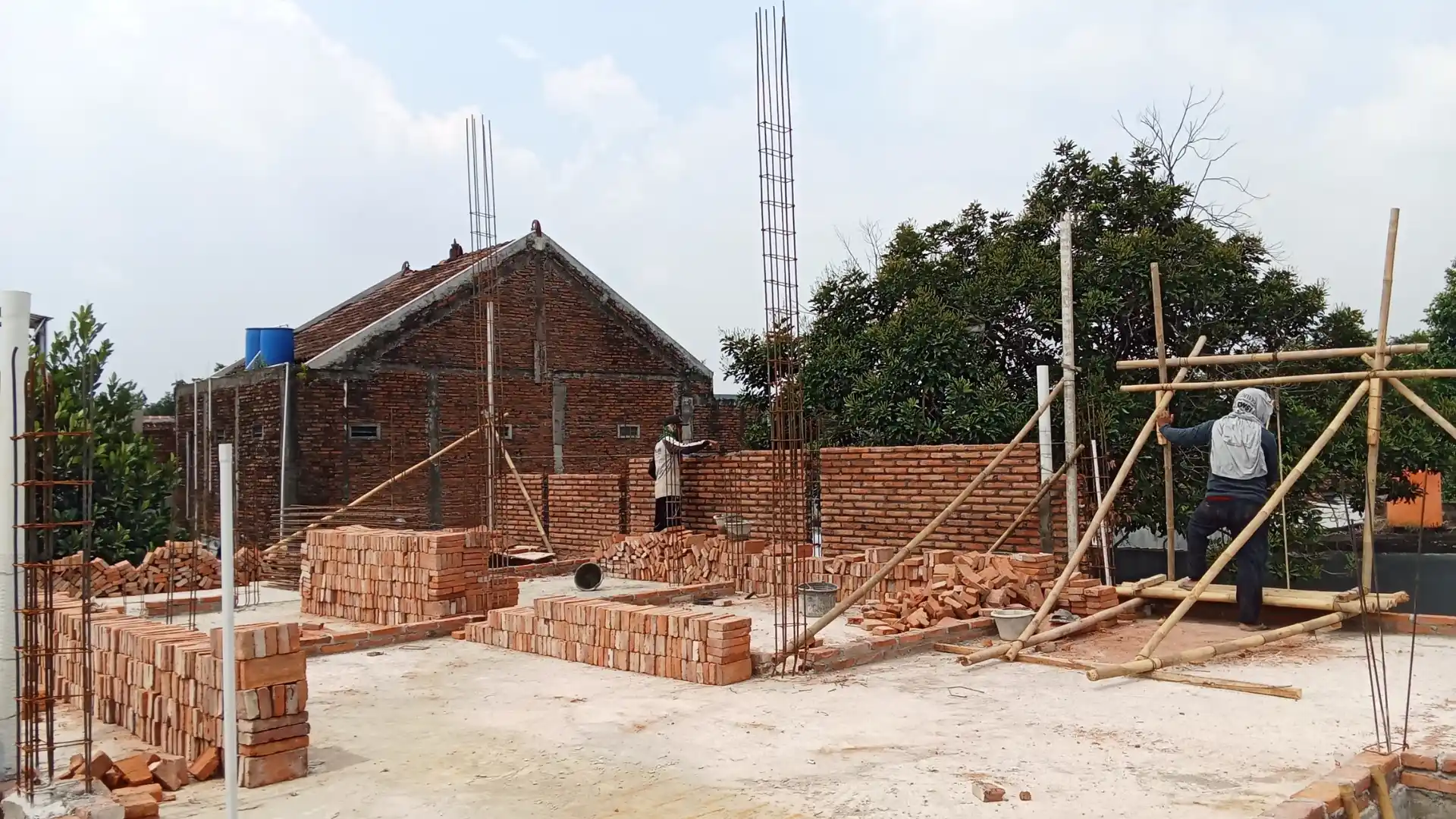
Unlike more mature markets such as Bali, Sumbawa is still developing its construction ecosystem. This creates both opportunity and risk.
Many contractors operate with varying levels of experience, and not all are familiar with international standards. At the same time, foreign investors often enter the market with limited understanding of local regulations.
This combination frequently leads to gaps in contractor agreement compliance Indonesia, which become the foundation of disputes.
In 2026, authorities are also placing greater emphasis on compliance under frameworks such as:
- Law No. 2 of 2017 on Construction Services
- Government Regulation No. 5 of 2021
- Presidential Regulation No. 10 of 2021
These regulations reinforce the importance of contractor agreement compliance Indonesia, particularly for foreign-led projects.
Common Contractor Disputes in 2026
1. Unclear Scope of Work
One of the most common issues in Sumbawa projects is ambiguity in the scope of work.
Without strong contractor agreement compliance Indonesia, contracts often fail to clearly define:
- Project specifications
- Deliverables
- Responsibilities
This leads to disagreements during execution, with contractors and investors interpreting obligations differently.
2. Payment Structure Conflicts
Payment disputes remain one of the most frequent triggers of conflict.
When contractor agreement compliance Indonesia is weak, payment terms may:
- Lack clear milestones
- Be based on verbal agreements
- Not reflect actual progress
As a result, investors may face unexpected payment demands or difficulty controlling project cash flow.
3. Project Delays and Timeline Disputes
Delays are common in construction, but disputes arise when contracts lack enforceable timelines.
Strong contractor agreement compliance Indonesia ensures:
- Defined deadlines
- Penalties for delays
- Clear extension conditions
Without these, projects in Sumbawa can easily fall behind schedule without accountability.
4. Quality and Material Disputes
Another major issue involves discrepancies in quality.
Without proper contractor agreement compliance Indonesia, contractors may:
- Use lower-cost materials
- Deviate from agreed designs
- Deliver inconsistent workmanship
This can significantly reduce the long-term value of the investment.
5. Informal Agreements and Legal Weaknesses
Many disputes stem from contracts that are informal or not aligned with Indonesian law.
Weak contractor agreement compliance Indonesia often results in:
- Contracts that are difficult to enforce
- Lack of legal protection
- Complicated dispute resolution processes
The Legal Landscape in Indonesia (2026 Update)
Indonesia's legal framework continues to evolve toward stricter enforcement and transparency.
The implementation of Job Creation Law and the OSS Risk-Based system has transformed how businesses operate.
Under this system:
- Business licensing is tied to risk levels
- Compliance is monitored digitally
- Violations are easier to detect
This makes contractor agreement compliance Indonesia even more critical in 2026.
Why Foreign Investors Face Higher Risk
Foreign investors often encounter unique challenges:
- Limited familiarity with Indonesian contract law
- Language differences in legal documents
- Cultural differences in business practices
- Over-reliance on informal contractor relationships
Without strong contractor agreement compliance Indonesia, these factors significantly increase the likelihood of disputes.
A Realistic Case Scenario
Consider a typical situation:
An investor begins building a resort in Sumbawa. The contractor is selected based on local recommendations, and the agreement is relatively simple.
Initially, progress appears smooth. However:
- The contractor requests additional payments
- The timeline begins to slip
- Construction quality becomes inconsistent
When the investor attempts to enforce the contract, they discover that contractor agreement compliance Indonesia was not properly established.
This leads to delays, financial losses, and potential legal action.
The True Cost of Poor Compliance
Ignoring contractor agreement compliance Indonesia can result in:
- Budget overruns of 20-50%
- Delays of several months
- Legal disputes requiring arbitration or litigation
- Reduced return on investment
In many cases, prevention through proper contractor agreement compliance Indonesia is far more cost-effective than resolving disputes later.
How to Ensure Contractor Agreement Compliance Indonesia
1. Draft Detailed Contracts
Ensure all aspects of the project are clearly defined.
Strong contractor agreement compliance Indonesia begins with clarity and detail.
2. Implement Milestone-Based Payments
Tie payments to verified progress to maintain control.
This is a key principle of contractor agreement compliance Indonesia.
3. Include Legal Safeguards
Contracts should include:
- Penalty clauses
- Termination rights
- Dispute resolution mechanisms
These are essential for contractor agreement compliance Indonesia.
4. Conduct Contractor Due Diligence
Verify licensing, experience, and past projects.
This strengthens contractor agreement compliance Indonesia and reduces risk.
5. Align with Indonesian Regulations
Ensure contracts comply with Indonesian law to be enforceable.
This is a fundamental aspect of contractor agreement compliance Indonesia.
Dispute Resolution Options
When contractor disputes arise in Indonesia, especially in developing regions like Sumbawa, investors have several formal and informal pathways to resolve conflicts. However, the success of any resolution method depends heavily on how well the initial agreement was structured. Strong contractor agreement compliance Indonesia plays a critical role in determining whether disputes can be resolved efficiently or escalate into prolonged legal battles.
- Negotiation (First Step Approach)
In most cases, disputes begin with direct negotiation between the investor and the contractor. This is often the fastest and most cost-effective method. However, without clear contractual terms, negotiations can become subjective and unproductive. When contractor agreement compliance Indonesia is properly implemented, both parties can refer to clearly defined obligations, timelines, and deliverables, making it easier to reach a fair resolution. - Mediation (Neutral Third Party Involvement)
If negotiation fails, mediation is often the next step. A neutral third party facilitates discussions and helps both sides find common ground. Mediation is less formal than court proceedings and can preserve business relationships. The effectiveness of mediation improves significantly when the contract reflects strong contractor agreement compliance Indonesia, as it provides a clear framework for interpreting responsibilities and resolving disagreements. - Arbitration (Preferred for Foreign Investors)
Arbitration is a popular choice for foreign investors because it offers a more structured and enforceable resolution process, often outside the Indonesian court system. Many contracts include arbitration clauses specifying international arbitration bodies or local institutions such as BANI (Indonesian National Arbitration Board). A well-drafted agreement aligned with contractor agreement compliance Indonesia ensures that arbitration clauses are valid, enforceable, and clearly define jurisdiction, governing law, and procedures. - Court Litigation (Last Resort)
Litigation through Indonesian courts is typically considered the final option due to its complexity, time, and cost. Court cases can take years and require strong legal documentation. Without proper contractor agreement compliance Indonesia, enforcing claims in court becomes significantly more difficult, as unclear or non-compliant contracts may weaken your legal position.
Ultimately, while multiple dispute resolution options are available, their effectiveness depends on the strength and clarity of the original contract. Investors who prioritize compliance from the beginning are far better positioned to resolve disputes quickly and protect their investments.
2026 Trends: Stricter Enforcement
Indonesia is moving toward tighter regulatory oversight.
Authorities are focusing on:
- Compliance transparency
- Licensing accuracy
- Legal enforceability
This means contractor agreement compliance Indonesia will play an even greater role in project success.
Why Sumbawa Still Offers Strong Potential
Despite these risks, Sumbawa remains a high-potential investment destination.
With proper contractor agreement compliance Indonesia, investors can:
- Enter early-stage markets
- Develop unique projects
- Achieve strong long-term returns
Final Thought
In 2026, success in Sumbawa is no longer just about opportunity, it is about structure.
Investors who prioritize contractor agreement compliance Indonesia will not only avoid disputes but also position themselves for long-term success in one of Indonesia's most promising regions.