
Indonesia Plastic Regulations for Businesses: What the New Zero-Tariff Policy Means for Industry in 2026
Learn how Indonesia plastic regulations for businesses are evolving after new zero-duty policies.
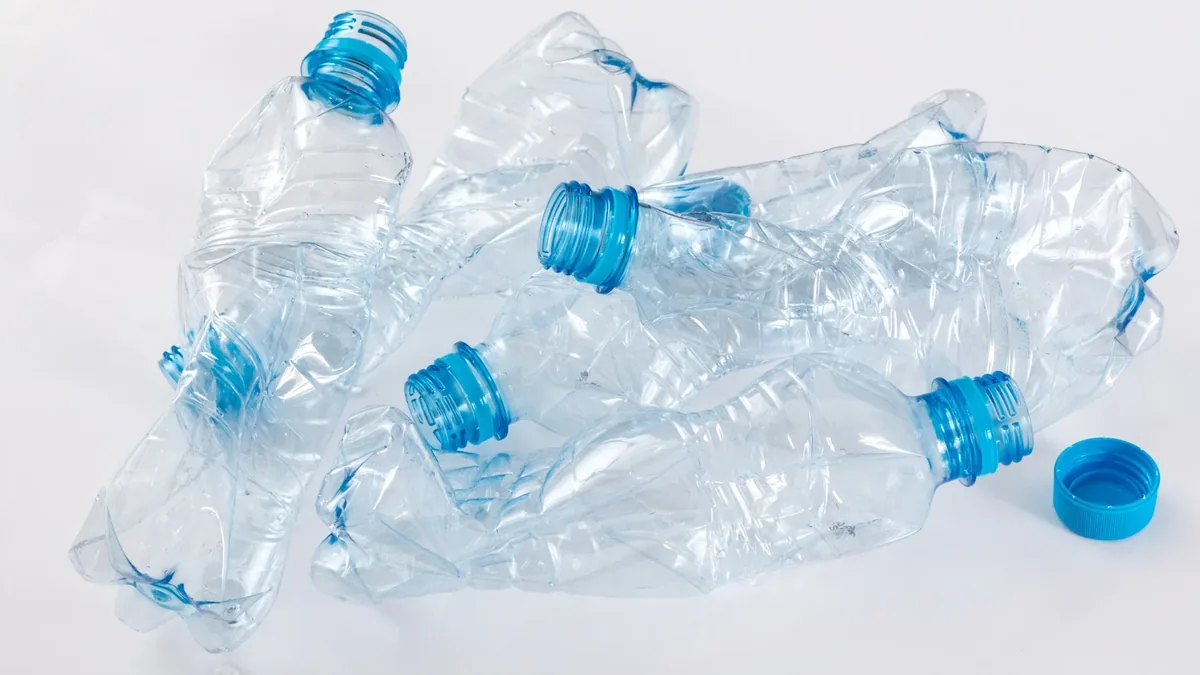
Indonesia's manufacturing sector received significant policy news in 2026 when the government announced the temporary elimination of import duties on several key plastic raw materials. The decision reduced import tariffs on products such as polypropylene (PP), high-density polyethylene (HDPE), and linear low-density polyethylene (LLDPE) from previous rates of approximately 5-15% to zero percent for an initial six-month period. The government also reduced import duties on industrial LPG from 5% to zero percent to support alternative feedstock supply for the petrochemical sector.
For manufacturers, importers, distributors, food and beverage companies, packaging businesses, and foreign investors, this development has created both opportunities and compliance considerations. While lower raw material costs may improve competitiveness, companies must also understand the broader framework of Indonesia plastic regulations for businesses, which continues to evolve through environmental policies, industrial regulations, product standards, and waste-management requirements.
This article explains why the tariff reduction was introduced, how it affects businesses operating in Indonesia, and what companies should know about Indonesia plastic regulations for businesses in 2026.
Why Indonesia Reduced Plastic Raw Material Import Duties
The government's decision was largely driven by supply chain disruptions affecting the global petrochemical industry.
Throughout early 2026, manufacturers experienced shortages of naphtha, one of the key feedstocks used to produce plastic resins. International supply constraints and geopolitical tensions affecting shipping routes increased raw material costs significantly. Reports indicated that some plastic raw material prices increased by 50-100%, creating pressure on manufacturers and potentially affecting consumer prices.
Indonesia remains dependent on imported raw materials for approximately 55-60% of its plastic industry needs. As costs increased, the government intervened by eliminating import duties on major plastic feedstocks and industrial LPG to stabilize supply and reduce production expenses.
Officials stated that maintaining stable packaging costs was particularly important because higher packaging prices can directly affect food and beverage inflation. Consequently, the tariff reduction became part of a broader effort to support domestic industry and protect consumers.
This policy change represents one of the most important recent developments affecting Indonesia plastic regulations for businesses.
Which Plastic Raw Materials Received Zero Import Duties?
According to government announcements, the temporary zero-duty policy applies to several major plastic feedstocks, including:
- Polypropylene (PP)
- Polyethylene (PE)
- High-Density Polyethylene (HDPE)
- Linear Low-Density Polyethylene (LLDPE)
These materials are widely used throughout Indonesia's manufacturing sector.
Applications include:
- Food packaging
- Beverage containers
- Consumer products
- Industrial packaging
- Household goods
- Medical products
- Automotive components
- Construction materials
Because these resins are foundational materials for multiple industries, changes affecting their cost have broad economic implications.
For companies operating within the framework of Indonesia plastic regulations for businesses, understanding how raw material sourcing affects compliance and production planning has become increasingly important.
Impact on Manufacturers and Importers
Many companies are expected to benefit from reduced production costs.
Manufacturers that rely heavily on imported plastic feedstocks may experience:
- Lower material costs
- Improved margins
- Better inventory management
- Increased competitiveness
- Reduced inflationary pressure
- Greater supply security
Importers may also find new opportunities to source materials from international suppliers due to the temporary elimination of duties. Market analysts noted that lower import barriers immediately increased the competitiveness of imported resins entering Indonesia.
However, businesses should not assume that lower tariffs eliminate compliance obligations. Indonesia plastic regulations for businesses still require adherence to licensing, standards, import procedures, product regulations, and environmental requirements.
Indonesia's Plastic Industry Remains Strategically Important
Indonesia's plastic industry supports numerous sectors of the economy.
Industries that depend heavily on plastic materials include:
- Food and beverage manufacturing
- Consumer goods
- Pharmaceuticals
- Agriculture
- Construction
- Electronics
- Logistics
- Retail packaging
The government recognizes that disruptions in plastic supply chains can create ripple effects throughout the broader economy. This explains why policymakers acted quickly to stabilize supply conditions during the recent market disruptions.
At the same time, Indonesia plastic regulations for businesses increasingly seek to balance industrial growth with environmental sustainability.
Environmental Policies Continue Alongside Industry Support
An important point for businesses to understand is that lower import duties do not signal weaker environmental regulation.
Indonesia continues implementing measures designed to reduce plastic waste and encourage more sustainable production and consumption practices.
Various national and local government initiatives focus on:
- Reducing single-use plastics
- Promoting recycling
- Encouraging circular economy practices
- Supporting reusable packaging
- Strengthening waste management systems
- Expanding producer responsibility frameworks
Consequently, Indonesia plastic regulations for businesses now involve both industrial policy and environmental compliance.
Companies that only focus on lower material costs while ignoring sustainability requirements may face future operational and reputational risks.
Extended Producer Responsibility (EPR) Is Becoming More Important
One area receiving increasing attention is Extended Producer Responsibility (EPR).
Under EPR principles, businesses may become responsible not only for manufacturing and selling products but also for managing post-consumer waste generated by those products.
Indonesia has been gradually developing EPR-related initiatives aimed at reducing plastic pollution and improving waste collection systems. Environmental organizations and policymakers increasingly support frameworks that require businesses to participate in waste reduction efforts.
As a result, Indonesia plastic regulations for businesses are moving beyond production alone and increasingly encompass lifecycle management.
Businesses should anticipate future requirements involving:
- Packaging recovery
- Recycling targets
- Waste reporting
- Sustainability disclosures
- Circular economy initiatives
Product Standards and SNI Requirements
Another critical aspect of Indonesia plastic regulations for businesses involves product quality and safety standards.
Imported and locally manufactured products may need to comply with:
- Indonesian National Standards (SNI)
- Product certification requirements
- Consumer safety regulations
- Technical specifications
- Industry-specific quality controls
The government has also indicated plans to strengthen digital systems and improve regulatory efficiency through platforms such as the National Industrial Information System (SINAS). These efforts aim to provide greater transparency and certainty for businesses.
Foreign investors entering the Indonesian market should carefully evaluate applicable standards before importing materials or launching production facilities.
Import Licensing Reforms and Regulatory Simplification
Alongside tariff reductions, the government announced plans to improve import licensing processes.
Key initiatives include:
- Regulatory simplification
- Faster licensing procedures
- Service level agreements (SLAs)
- Increased transparency
- Digital processing systems
- Better coordination among ministries
The Ministry of Industry and Ministry of Trade are working to revise procedures governing technical approvals and import regulations.
These reforms may significantly affect how Indonesia plastic regulations for businesses are administered in the coming years.
Companies should monitor regulatory developments closely because licensing requirements can change depending on product categories and industry classifications.
Opportunities for Foreign Investors
Foreign investors may find several attractive opportunities emerging from the changing regulatory landscape.
Potential sectors include:
Plastic Manufacturing
Reduced feedstock costs may improve profitability for manufacturers producing packaging, consumer goods, and industrial products.
Recycling Facilities
As environmental compliance requirements expand, demand for recycling infrastructure is expected to increase.
Sustainable Packaging
Businesses developing reusable, recyclable, or biodegradable packaging solutions may benefit from both regulatory support and growing market demand.
Circular Economy Services
Companies providing collection, sorting, recycling, and waste-management services may find new opportunities under evolving Indonesia plastic regulations for businesses.
Alternative Materials
Innovation in bio-based materials and sustainable packaging alternatives continues attracting investor interest as environmental expectations rise.
Compliance Risks Businesses Should Not Ignore
Despite the positive impact of lower tariffs, businesses should remain aware of several compliance risks.
Common issues include:
- Incorrect import classifications
- Failure to obtain required permits
- Non-compliance with SNI requirements
- Environmental violations
- Improper waste management practices
- Inadequate sustainability reporting
- Packaging regulation breaches
The complexity of Indonesia plastic regulations for businesses means that legal and regulatory due diligence remains essential.
Companies entering the Indonesian market should verify licensing requirements before importing raw materials or launching manufacturing operations.
What Businesses Should Do Now
Businesses can take several practical steps to benefit from the new policy while maintaining compliance.
Recommended actions include:
Review Supply Chains
Evaluate whether lower import duties create opportunities to diversify suppliers or reduce production costs.
Assess Licensing Requirements
Confirm that import permits, business licenses, and technical approvals remain valid and aligned with current regulations.
Monitor Environmental Obligations
Track developments involving EPR, waste management requirements, and sustainability regulations.
Evaluate Product Standards
Ensure products comply with applicable SNI standards and certification requirements.
Prepare for Future Policy Changes
Because the zero-duty measure is temporary and subject to review after six months, businesses should develop contingency plans for potential future tariff adjustments.
The Future of Indonesia's Plastic Industry
Indonesia's plastic sector is entering a period of transformation.
On one hand, government interventions aim to strengthen industrial competitiveness and reduce production costs. On the other hand, environmental concerns continue driving stricter sustainability expectations.
This dual approach means Indonesia plastic regulations for businesses will likely continue evolving in two directions simultaneously:
- Improving industrial efficiency and investment attractiveness.
- Strengthening environmental accountability and circular economy initiatives.
Companies capable of adapting to both trends may enjoy significant competitive advantages over the coming decade.