Synergy Pro Launches a Series of Social Initiatives: Blood Donation, 4.6K Charity Run, and CSR for Children Battling Cancer
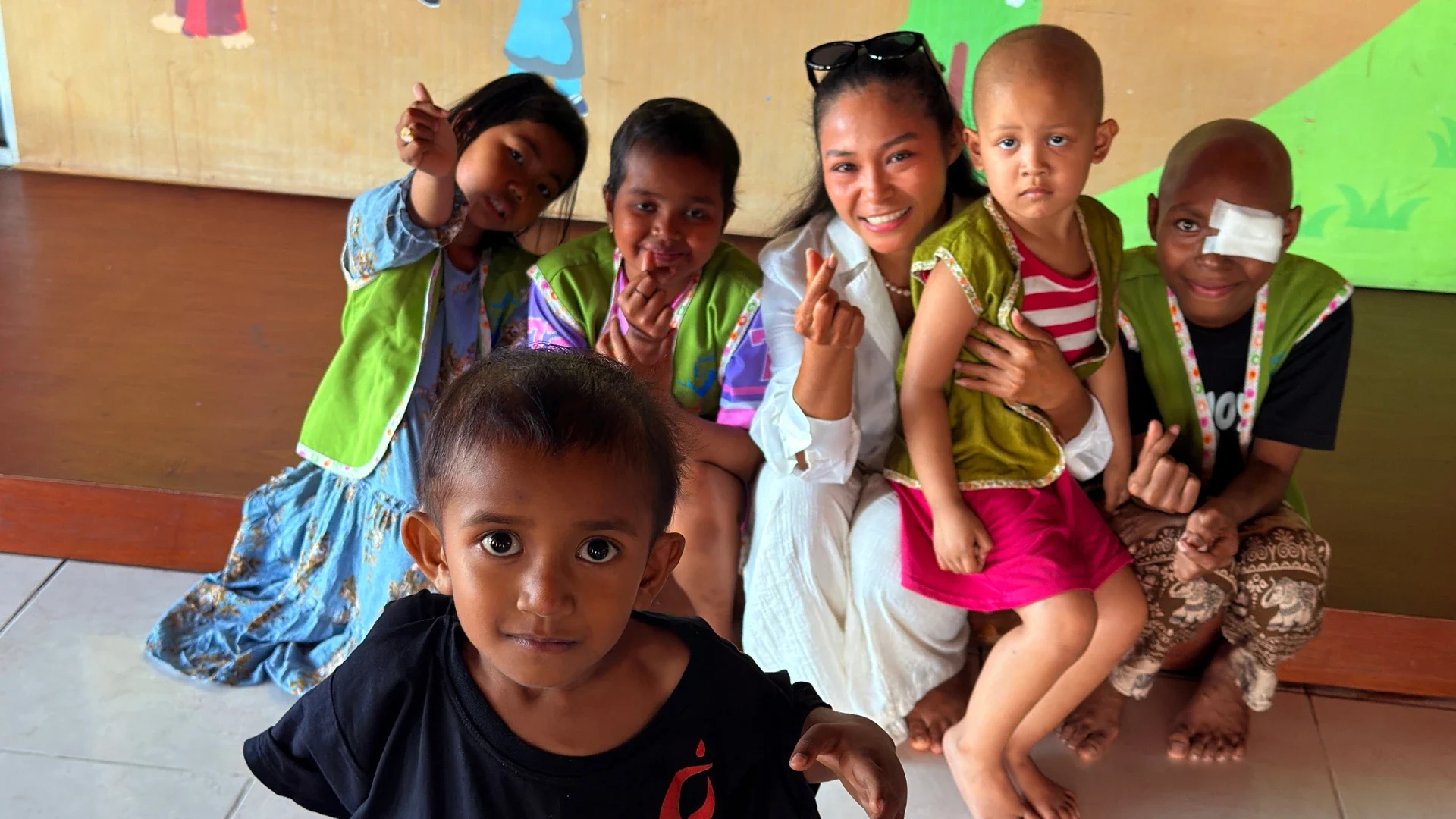
When a child is diagnosed with cancer, the journey extends far beyond the hospital or treatment room. Medical treatment is essential, but children and their families may also need emotional, social, educational, financial, and practical support throughout the process.
This is where organizations such as Yayasan Peduli Kanker Anak Bali can play an important role in creating a supportive environment for children and their families.
The work surrounding childhood cancer is not limited to medical care. Indonesia’s Ministry of Health has emphasized that childhood cancer requires a collaborative and sustainable approach involving healthcare professionals, families, communities, and broader support networks. Its National Childhood Cancer Action Plan 2025–2029 specifically highlights the importance of psychosocial support and community involvement alongside medical services.
For Yayasan Peduli Kanker Anak Bali, community support can therefore become an important part of helping children and families navigate a difficult period.
Understanding the Role of Yayasan Peduli Kanker Anak Bali
Yayasan Peduli Kanker Anak Bali is part of a wider community effort focused on supporting children affected by cancer and their families in Bali.
When discussing organizations working in this area, it is important to recognize that support for childhood cancer can take many forms. A child may need encouragement during treatment, opportunities to continue learning, a supportive social environment, recreational activities, nutritional assistance, or simply a safe place where they and their family can feel understood.
The role of Yayasan Peduli Kanker Anak Bali can therefore be viewed within this broader ecosystem of community support.
The need for such collaboration is also reflected in Indonesia’s national cancer policy. The Ministry of Health has stated that childhood cancer services should become more accessible across regions so families do not always need to travel long distances for treatment. The government has also emphasized collaboration with cancer foundations and communities to support patients and their families.
1. Supporting Children Beyond Medical Treatment
Cancer treatment can involve lengthy and demanding processes. For children, this experience can affect everyday routines, education, friendships, recreation, and emotional wellbeing.
This is why the work of Yayasan Peduli Kanker Anak Bali is relevant beyond the concept of medical treatment alone.
Children still need opportunities to play, learn, interact, express themselves, and experience moments of normal childhood. Community programs can help create these opportunities while complementing, not replacing professional medical care.
Support may also help families feel less isolated during a challenging period.
2. Emotional Support Matters
Childhood cancer can affect an entire family.
Parents and caregivers may experience emotional pressure while managing appointments, treatment schedules, transportation, financial responsibilities, and other practical concerns. Meanwhile, children may struggle to understand why their daily lives have changed.
The importance of psychosocial support has been recognized by Indonesia’s Ministry of Health, which has highlighted the role of families and communities in providing moral and emotional support to children with cancer.
Through community-based activities, Yayasan Peduli Kanker Anak Bali can be part of a support network that helps children and families feel connected rather than alone.
3. Creating Opportunities for Children to Be Children
Cancer does not remove a child’s need for play, creativity, friendship, and positive experiences.
Activities such as arts, games, storytelling, educational programs, and other age-appropriate activities can create moments of joy and self-expression.
A study involving children at Yayasan Peduli Kanker Anak Bali examined coloring art therapy and its relationship with pain levels among children with cancer, illustrating how supportive non-medical activities can also be explored alongside clinical care.
This does not mean that recreational activities replace treatment. Rather, they can complement a child’s overall support environment.
For Yayasan Peduli Kanker Anak Bali, creating opportunities for children to participate in positive activities can be an important part of community-based support.
4. Supporting Families Along the Journey
Childhood cancer affects more than the individual patient.
Families may have to reorganize their daily lives around treatment. Parents or caregivers may need to spend significant amounts of time accompanying their children, while siblings and other family members can also experience changes to their routines.
This makes family-centered support particularly important.
The work of Yayasan Peduli Kanker Anak Bali can help reinforce the idea that supporting a child also means recognizing the needs of the people caring for them.
Community members and businesses can contribute by supporting programs that provide practical assistance, educational activities, fundraising, volunteering, or other appropriate forms of support.
5. Why Community Collaboration Matters
Childhood cancer cannot be addressed by one organization alone.
Doctors, hospitals, government institutions, families, foundations, volunteers, businesses, and community groups can all contribute in different ways.
The Ministry of Health’s National Childhood Cancer Action Plan 2025–2029 emphasizes collaboration and broader community involvement as part of improving childhood cancer outcomes in Indonesia.
This collaborative approach makes organizations such as Yayasan Peduli Kanker Anak Bali particularly relevant to the wider community.
A donation may provide immediate assistance. A volunteer may contribute time. A business may organize a fundraising event. A community may provide awareness and emotional support.
Each contribution can serve a different purpose.
6. How Businesses Can Contribute
Businesses in Bali have opportunities to contribute to social causes through Corporate Social Responsibility (CSR), employee volunteering, fundraising, partnerships, and community initiatives.
For example, a company could organize:
- Blood donation campaigns
- Charity runs
- Fundraising activities
- Donation drives
- Employee volunteer programs
- Educational activities
- Long-term community partnerships
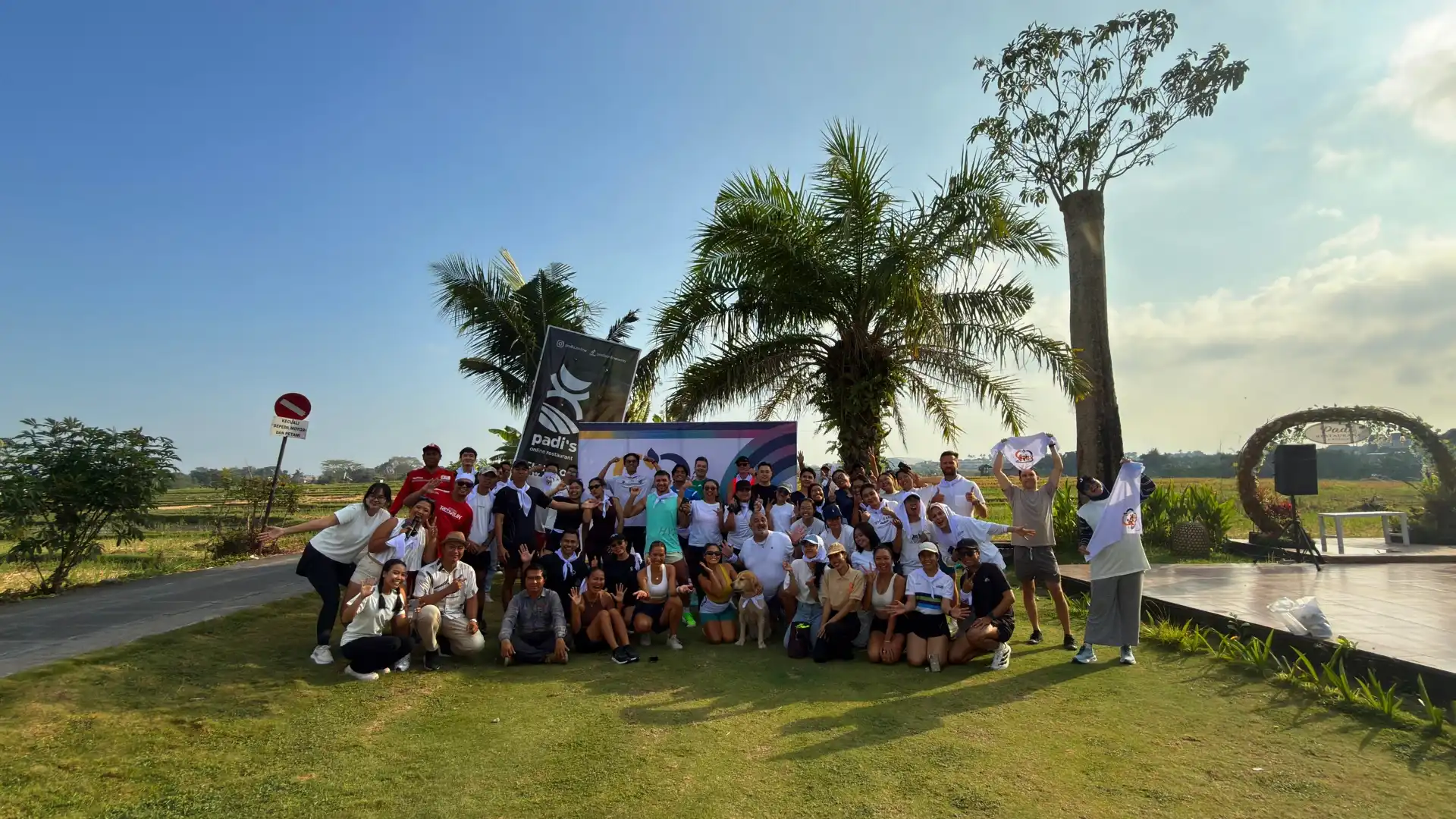
Synergy Pro’s own Donate → Run → Give Back initiative is one example of how a business can combine different activities into a broader social initiative.
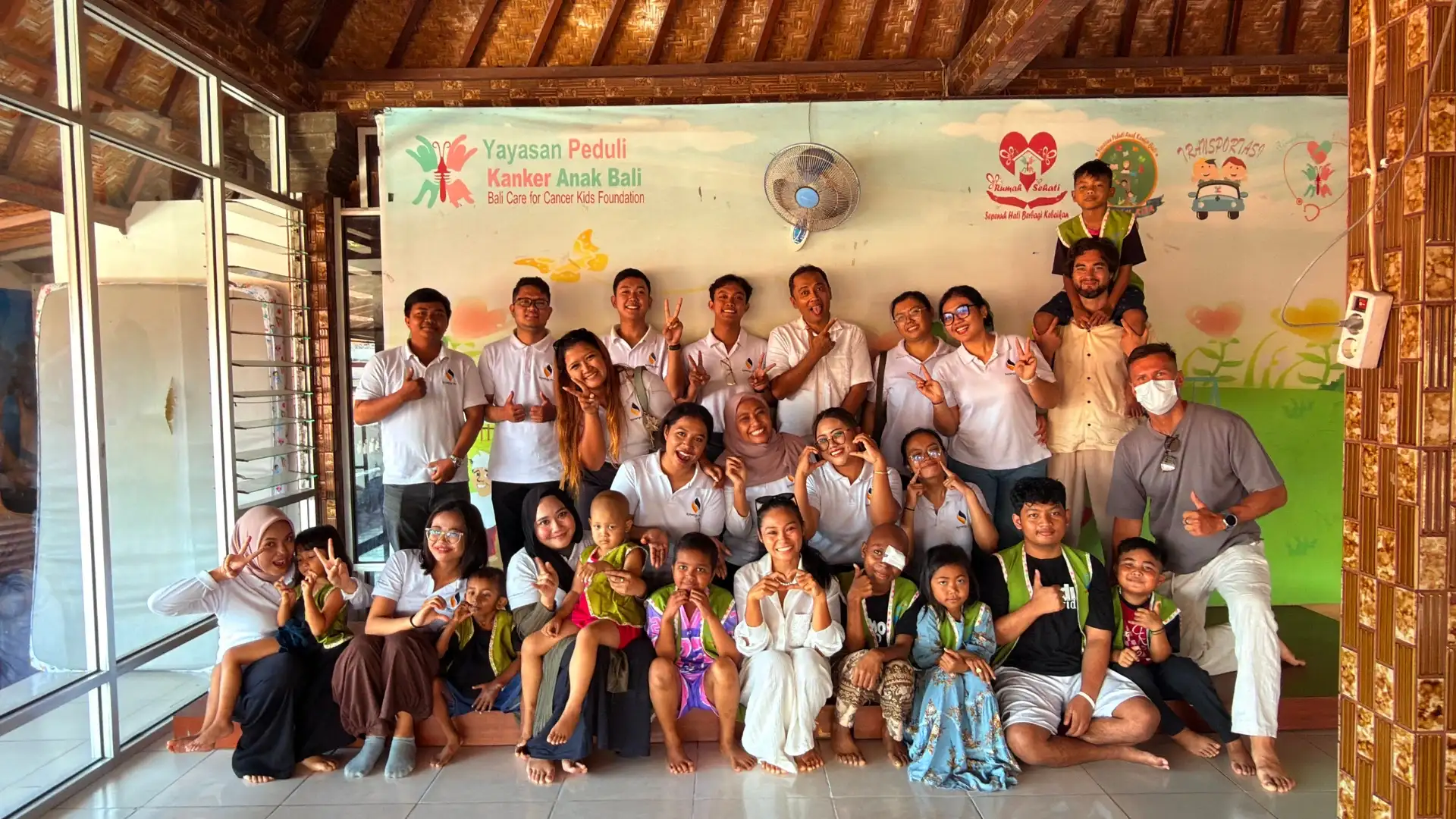
The company’s blood donation drive and Synergy Pro Charity Run 4.6K were followed by a CSR activity supporting children through Yayasan Peduli Kanker Anak Bali.
The objective is not simply to organize an event. It is to create opportunities for employees, clients, partners, sponsors, and members of the public to participate in a shared social effort.
7. Building Responsible and Sustainable CSR
Effective CSR does not necessarily need to involve large-scale programs.
What matters is whether an initiative addresses a genuine community need and is implemented responsibly.
For businesses considering partnerships with Yayasan Peduli Kanker Anak Bali or other social organizations, useful questions include:
- What type of support is actually needed?
- How can employees participate?
- Can the initiative continue beyond one event?
- How will contributions be documented?
- Can the partnership create long-term value?
Indonesia’s framework for corporate social and environmental responsibility is established under PP No. 47 of 2012, which remains in force. The regulation provides a framework for social and environmental responsibility by Indonesian limited liability companies and emphasizes benefits for local communities and society.
Businesses should distinguish between voluntary community initiatives and specific legal obligations that may apply to particular companies or sectors.
8. Choosing Transparency and Accountability
When supporting a social organization, businesses and donors should also consider transparency.
Organizations established as foundations in Indonesia operate within the legal framework of the Foundation Law, principally Law No. 16 of 2001 as amended by Law No. 28 of 2004. The framework addresses foundations as legal entities pursuing social, religious, and humanitarian objectives and emphasizes accountability and proper governance.
For companies planning CSR partnerships, appropriate due diligence can help ensure that donations, sponsorships, and other contributions are directed through proper channels.
This is particularly important when businesses want their CSR programs to become recurring initiatives rather than one-time campaigns.
Creating Hope Through Collective Action
The story of Yayasan Peduli Kanker Anak Bali also highlights a broader lesson about community support.
Children battling cancer need access to appropriate medical care, but they and their families can also benefit from emotional, social, educational, and practical support.
No single contribution can solve every challenge. However, collective action can help create a stronger support network.
For businesses in Bali, this can also be an opportunity to look at CSR differently—not simply as a corporate activity, but as a way of connecting businesses with the communities around them.
Through partnerships, volunteering, fundraising, and responsible giving, businesses can contribute to causes that matter.
Yayasan Peduli Kanker Anak Bali represents one example of how community organizations can become part of this broader support network.
Ultimately, supporting children with cancer is about more than treatment. It is about helping children maintain dignity, connection, hope, and opportunities to experience childhood while they navigate an exceptionally difficult journey.