
Waste Management in Bali 2026: Powerful Changes Businesses Must Follow Under New Regulations
Waste Management in Bali explained: new rules, waste categories, and how businesses can stay compliant and sustainable.
Waste Management in Bali: New Regulations, Responsibilities & What Businesses Must Do
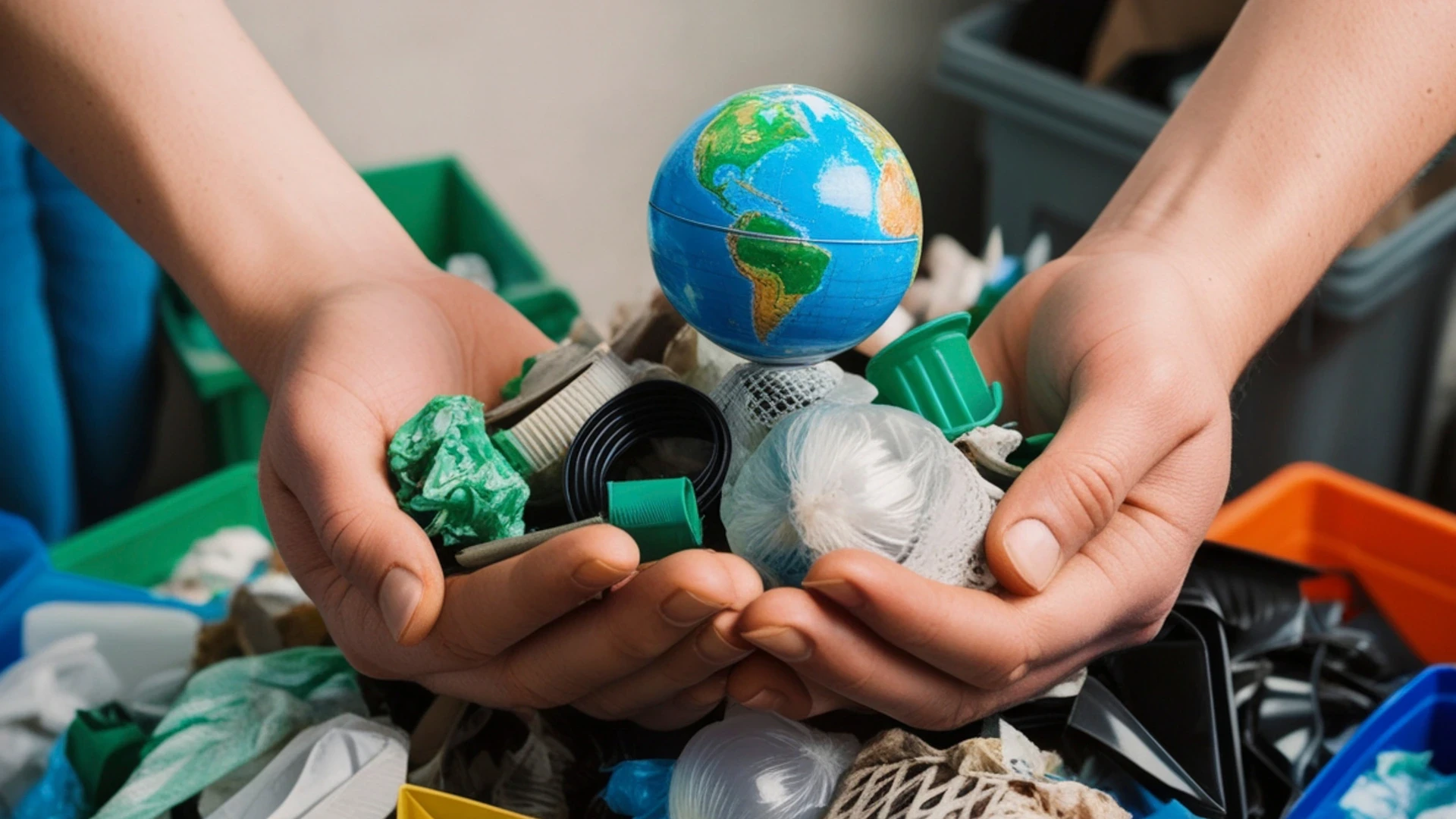
Bali is entering a new phase of environmental responsibility. With increasing pressure on natural resources and waste systems, the government is taking firmer steps to ensure sustainability across the island.
The introduction of Governor's Circular No. 9 of 2025 on the Bali Clean Waste Movement marks a significant shift in Waste Management in Bali, requiring both government institutions and private businesses to take concrete, measurable action.
This is no longer just a campaign or recommendation, it is a clear direction toward stricter environmental compliance. For companies operating in Bali, understanding Waste Management in Bali is becoming just as important as legal, tax, and operational compliance.
A New Direction for Waste Management in Bali
The Balinese government has long promoted environmental awareness, but recent developments show a stronger enforcement approach. The Bali Clean Waste Movement is designed to reduce waste at its source and improve overall Waste Management in Bali through systematic changes.
Under this circular, organizations are expected to:
- Eliminate single-use plastics
- Use environmentally friendly alternatives
- Implement reuse and refill systems
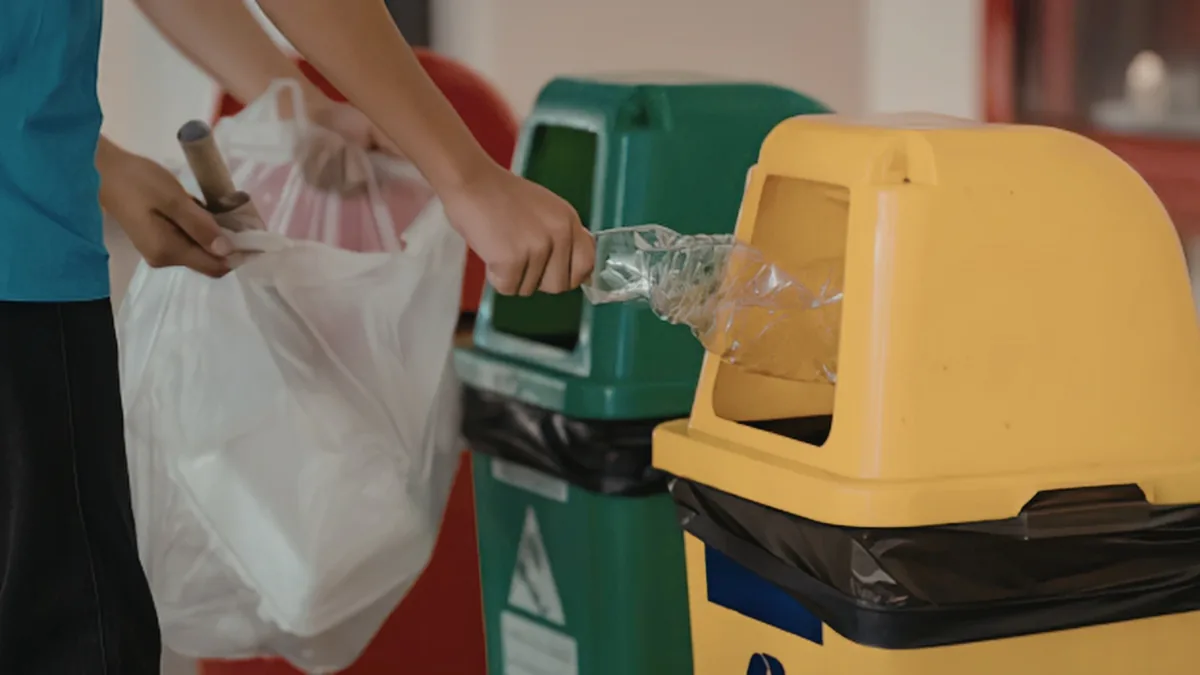
- Separate waste properly
These requirements are part of a broader effort to modernize Waste Management in Bali and align it with global sustainability standards.
Why Waste Management in Bali Is Becoming Stricter
Bali's popularity as a global destination has led to increased waste generation. Without proper systems, waste accumulation has impacted:
- Beaches and marine ecosystems
- Public infrastructure
- Tourism perception
As a result, Waste Management in Bali is now a priority for local authorities. The government aims to:
- Reduce landfill dependency
- Encourage circular economy practices
- Promote responsible consumption
For businesses, this means adapting to evolving expectations in Waste Management in Bali.
What the New Regulation Means for Businesses
For companies operating in Bali, the new approach to Waste Management in Bali is not optional.
Businesses must now:
- Review their waste generation processes
- Replace single-use materials
- Train staff on waste separation
- Implement internal sustainability policies
Failure to adapt to Waste Management in Bali requirements may lead to:
- Operational challenges
- Increased scrutiny
- Reputational risks
On the other hand, early adaptation can create competitive advantages.
Eliminating Single-Use Plastics
One of the most visible aspects of Waste Management in Bali is the push to eliminate single-use plastics.
This includes:
- Plastic bags
- Straws
- Styrofoam containers
- Disposable packaging
Businesses are encouraged to switch to:
- Biodegradable materials
- Reusable containers
- Sustainable packaging solutions
This shift is a core element of modern Waste Management in Bali and reflects global environmental trends.
Reuse and Refill Systems
Another key component of Waste Management in Bali is promoting reuse and refill practices.
Examples include:
- Water refill stations
- Reusable packaging programs
- Bulk purchasing systems
These practices not only reduce waste but also align businesses with sustainable branding, strengthening their position in Bali's evolving market.
Understanding Waste Categories in Bali
A fundamental part of Waste Management in Bali is proper waste separation.
Based on local regulations, waste is categorized into:
1. Organic Waste
Includes:
- Food waste
- Leaves
- Biodegradable materials
Organic waste can be composted, making it an essential component of Waste Management in Bali.
2. Inorganic Waste
Includes:
- Plastic
- Paper
- Glass
These materials are recyclable and play a significant role in improving Waste Management in Bali.
3. Hazardous Waste (B3)
Includes:
- Batteries
- Lamps
- Medicines
This type of waste requires special handling due to environmental and health risks, making it a critical part of Waste Management in Bali.
4. Residual Waste
Includes:
- Diapers
- Tissues
- Non-recyclable materials
Reducing residual waste is a major goal of Waste Management in Bali, as it directly impacts landfill use.
Why Waste Separation Matters
Waste separation is not just a recommendation, it is a requirement in modern Waste Management in Bali.
Proper separation:
- Improves recycling efficiency
- Reduces environmental impact
- Supports sustainable systems
For businesses, implementing waste separation is one of the easiest ways to comply with Waste Management in Bali regulations.
The Role of Businesses in Waste Management in Bali
Businesses play a critical role in shaping the future of Waste Management in Bali.
From hospitality to retail, companies generate significant amounts of waste. By adopting responsible practices, they can:
- Reduce environmental impact
- Enhance brand reputation
- Meet regulatory requirements
In today's environment, strong Waste Management in Bali practices are becoming a standard expectation.
Business Benefits of Compliance
Adapting to Waste Management in Bali offers more than just compliance.
Benefits include:
- Improved customer perception
- Alignment with eco-conscious travelers
- Cost savings through reduced waste
- Stronger partnerships with local communities
Sustainability is no longer optional, it is a business advantage.
Risks of Ignoring Waste Management in Bali
Companies that ignore Waste Management in Bali may face:
- Regulatory pressure
- Negative public perception
- Operational inefficiencies
In a market like Bali, where environmental awareness is growing, these risks can directly impact business success.
Aligning with Global Sustainability Trends
The evolution of Waste Management in Bali reflects global trends toward sustainability.
Across industries, businesses are:
- Reducing plastic use
- Implementing circular economy models
- Prioritizing environmental responsibility
By aligning with Waste Management in Bali, companies position themselves as forward-thinking and responsible.
Practical Steps to Get Started
To align with Waste Management in Bali, businesses can:
- Conduct a waste audit
- Replace single-use plastics
- Train staff on waste separation
- Partner with recycling providers
- Monitor waste reduction progress
Even small steps can make a significant difference in improving Waste Management in Bali.
Building a Sustainable Culture
Long-term success in Waste Management in Bali requires more than policies, it requires cultural change.
This includes:
- Employee awareness
- Management commitment
- Continuous improvement
Organizations that integrate sustainability into their culture are more likely to succeed in the evolving landscape of Waste Management in Bali.
The Future of Waste Management in Bali
Looking ahead, Waste Management in Bali is expected to become even more structured and enforced.
Future developments may include:
- Stricter monitoring systems
- Expanded recycling infrastructure
- Increased penalties for non-compliance
Businesses that adapt early will be better positioned for future regulations.
Final Thoughts
The Bali Clean Waste Movement represents a turning point for Waste Management in Bali.
For businesses, this is both a challenge and an opportunity:
- A challenge to adapt to new regulations
- An opportunity to lead in sustainability
By understanding and implementing proper Waste Management in Bali, companies can protect the environment while strengthening their long-term success.