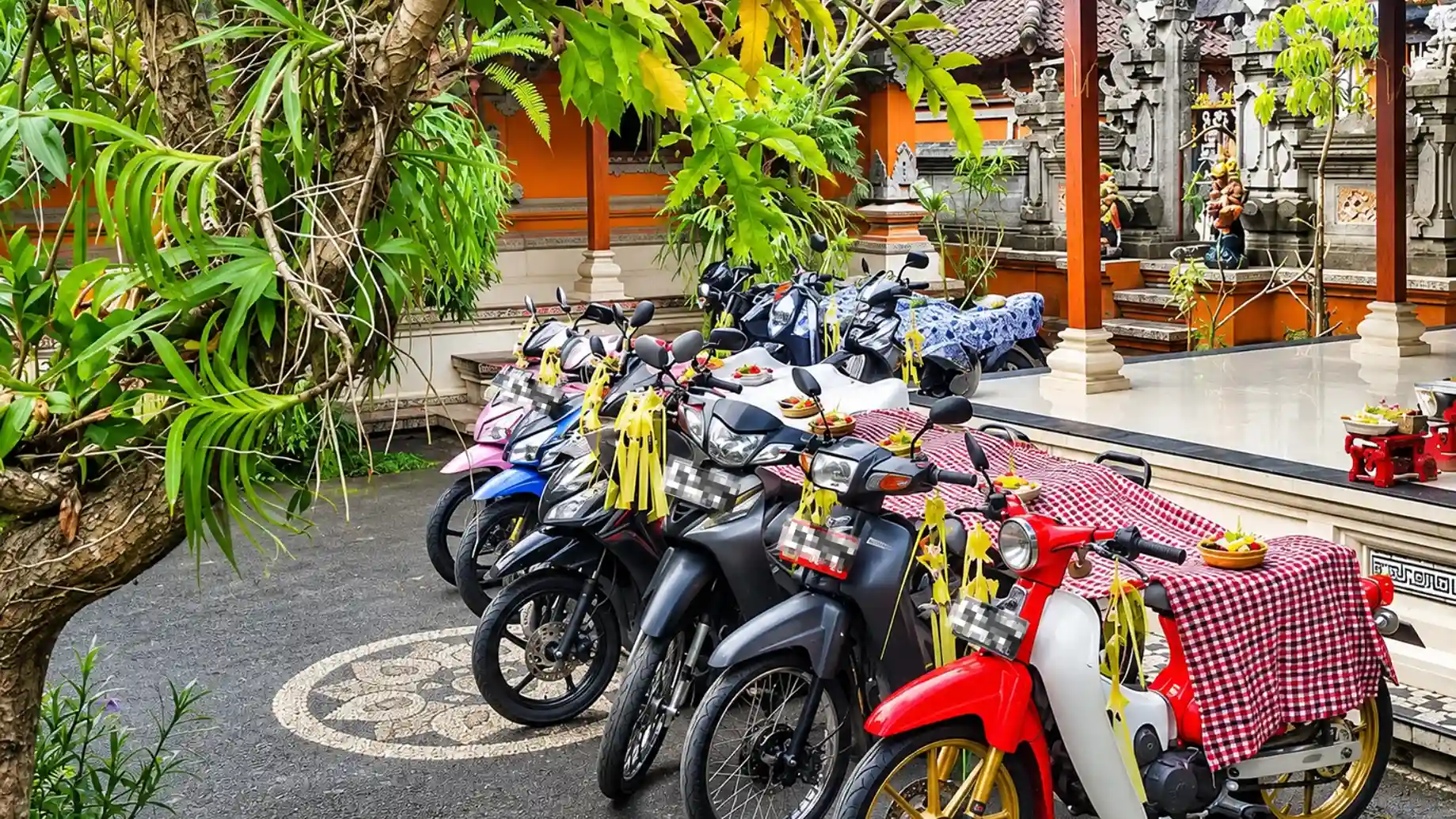


10 Essential Business Checks Before Welcoming the Festive Season in Bali
The festive season in Bali brings significant opportunities for hotels, restaurants, villas, beach clubs, retailers, and tourism businesses. Higher visitor numbers, increased spending, and special celebrations can generate substantial revenue. However, increased demand also brings employment, financial, legal, and operational responsibilities.
Preparing for the festive season in Bali requires more than launching promotions or recruiting additional employees. Businesses must ensure their operations remain compliant with Indonesia’s applicable regulations while maintaining service quality and protecting consumer interests.
Here are ten essential checks every business should consider before welcoming the holidays.
1. Review Seasonal Employment Contracts
Hiring additional workers during the festive season in Bali helps businesses manage increased customer demand. However, temporary employees must have appropriate employment arrangements.
Law No. 27/2026 on Employment Protection, effective from 28 October 2026, introduces revised employment contract requirements. Businesses should review fixed-term employment agreements, daily worker arrangements, outsourcing contracts, and applicable registration obligations.
Avoid treating seasonal workers as informal employees simply because their employment duration is short. Clearly establish responsibilities, compensation, employment periods, and applicable employee entitlements.
2. Manage Working Hours and Overtime
Extended operating hours during the festive season in Bali can increase employee workloads.
Under Law No. 27/2026, standard working hours generally remain 40 hours weekly. Ordinary overtime is generally limited to four hours daily and eighteen hours weekly, with applicable consent and compensation requirements.
Article 125 also establishes specific overtime calculations for employees working during official public holidays or weekly rest days.
Businesses should prepare shift schedules, maintain attendance records, document overtime arrangements, and provide appropriate rest periods. High customer demand does not remove employment protection obligations.
3. Prepare Holiday Leave, THR, and Employee Benefits
Christmas celebrations during the festive season in Bali require careful employee benefit planning.
Under Ministerial Circular No. M/3/HK.04.00/III/2026, eligible employees must receive religious holiday allowances at least seven days before their respective religious celebrations.
Review THR eligibility, BPJS participation, payroll calculations, and voluntary holiday bonuses separately. Employers should also distinguish public holidays from collective leave. Article 118 of Law No. 27/2026 protects annual leave entitlements when government-designated collective leave is implemented.
4. Ensure Transparent Festive Pricing
Increasing prices during the festive season in Bali is generally permissible, provided businesses comply with applicable consumer protection and pricing regulations.
Law No. 8/1999 on Consumer Protection prohibits misleading statements concerning prices, discounts, and promotional offers.
Minister of Trade Regulation No. 35/2013 also establishes price disclosure requirements, including applicable taxes and additional charges.
Hotels, restaurants, and entertainment venues should clearly communicate festive surcharges, minimum spending requirements, service charges, and applicable taxes before customers confirm purchases or reservations.
5. Review Promotions and Cancellation Policies
Special packages are popular throughout the festive season in Bali. However, unclear promotional conditions can create customer disputes.
Businesses should communicate booking periods, package inclusions, deposits, cancellation conditions, refund arrangements, and availability accurately.
Avoid misleading discounts or advertisements promising unavailable services. Article 18 of the Consumer Protection Law also restricts certain standard contractual clauses that disadvantage consumers.
Review booking conditions before publishing promotional campaigns, particularly for prepaid dinners, accommodation packages, and New Year’s Eve celebrations.
6. Verify Business Licenses and Registered Activities
Additional commercial activities during the festive season in Bali may introduce new licensing considerations.
Under Government Regulation No. 28/2025, business licensing requirements depend on activity classifications and associated risks.
Review your NIB, KBLI classifications, Standard Certificates, operational permits, and applicable PB UMKU.
Businesses introducing new entertainment services, temporary commercial activities, or alcoholic beverage sales should verify whether existing authorizations cover those activities. Seasonal operations do not automatically qualify for licensing exemptions.
7. Check Special Event Permissions
Christmas dinners, countdown parties, live performances, and large gatherings are common during the festive season in Bali.
Depending on the event’s nature, scale, and location, additional permissions, police coordination, or local administrative requirements may apply.
Review entertainment arrangements, applicable music licensing obligations, fireworks restrictions, operating hours, security plans, and neighborhood coordination.
Businesses should monitor announcements from provincial authorities, regency governments, and police departments before confirming event details.
8. Strengthen Food Safety and Operational Hygiene
Higher customer volumes during the festive season in Bali can increase food safety risks.
Minister of Health Regulation No. 11/2025 establishes current health-sector business licensing standards.
Food businesses should verify applicable hygiene certification requirements, including Sertifikat Laik Higiene Sanitasi (SLHS), where required.
Review food storage temperatures, supplier reliability, employee hygiene, kitchen sanitation, water quality, and waste management. Additional orders should never compromise food handling standards or customer safety.
9. Prepare Building Safety and Emergency Procedures
Crowded venues during the festive season in Bali require effective operational safety management.
Review applicable building approvals, including PBG and SLF, alongside authorized building functions and occupancy limitations.
Ensure emergency exits remain accessible, firefighting equipment functions properly, and employees understand evacuation procedures.
Businesses should also prepare for severe weather, electrical interruptions, traffic congestion, and medical emergencies. Coordinate security personnel and establish practical emergency communication procedures before hosting large gatherings.
10. Review Tax and Financial Obligations
Increased revenue during the festive season in Bali creates additional accounting responsibilities.
Businesses should accurately record sales, advance payments, deposits, service charges, employee compensation, and promotional expenses.
Review applicable local taxes, including PBJT, or national taxes such as PPN, depending on the transaction classification.
Reconcile financial records and prepare year-end reporting. Businesses with outstanding administrative tax penalties should also assess available relief opportunities separately.
Welcome the Festive Season With Confidence
How can your business maximize opportunities during the festive season in Bali without overlooking important compliance obligations?
From employment management and pricing transparency to business licensing, tax reporting, and operational safety, preparation is essential.
Contact Synergy Pro Corporate Business & Legal Advisory for professional assistance with HR management, business licensing, corporate legal matters, tax, accounting, and regulatory compliance.
Make this festive season in Bali profitable, responsible, and compliant.