10 Questions Every Investor Often Asks Before Investing in Lombok
Lombok continues to attract attention from entrepreneurs and investors exploring opportunities in hospitality, property development, tourism, food and beverage, and other commercial sectors.
However, Investing in Lombok involves more than choosing a promising location or purchasing a piece of land. Indonesia has specific rules governing foreign investment, land rights, spatial planning, business licensing, construction, taxation, and permitted business activities.
Indonesia’s business licensing framework has also evolved. Government Regulation No. 28 of 2025 now governs risk-based business licensing and replaced PP No. 5 of 2021 from 5 June 2025.
Before Investing in Lombok, here are ten important questions investors should consider.
1. Can Foreign Investors Own Land in Lombok?
This is often one of the first questions asked when Investing in Lombok.
Foreign investors should not assume they can hold land under the same title available to Indonesian citizens. The appropriate structure depends on who is investing, the project’s purpose, the relevant land title, and how the property will be used.
For commercial projects, investors may explore structures involving an Indonesian foreign investment company, or PT PMA, and land rights available to qualifying legal entities.
The critical point is that buying, leasing, or controlling land should not be approached simply as a commercial negotiation. The proposed legal structure and land title need to be reviewed before the transaction is completed.
2. Do I Need a PT PMA?
For foreign investors, Investing in Lombok may require establishing a PT PMA when conducting business activities in Indonesia.
Whether foreign investment is permitted, and under what conditions also depends on the relevant business sector and KBLI (Klasifikasi Baku Lapangan Usaha Indonesia).
Indonesia’s investment business-field framework is principally addressed through Presidential Regulation No. 10 of 2021, as amended by Presidential Regulation No. 49 of 2021.
Investment thresholds also require careful attention. Under the current Ministry of Investment/BKPM framework, the general minimum investment value for PMA is more than IDR 10 billion, subject to the calculation rules and exceptions applicable to particular business activities.
The structure should therefore be determined based on the actual project rather than simply establishing a company first and deciding what it will do later.
3. Can I Develop Any Type of Project on the Land?
No. This is an essential consideration when Investing in Lombok.
Owning or controlling land does not automatically mean that a hotel, villa, restaurant, beach club, retail business, or another commercial project can legally be developed there.
Indonesia’s spatial planning framework includes RTRW, RDTR, and Kesesuaian Kegiatan Pemanfaatan Ruang (KKPR). PP No. 21 of 2021 governs spatial planning implementation, including spatial utilization and KKPR.
Investors should therefore check the land’s spatial planning position against the specific intended activity before committing to the project.
4. What Business Licenses Will I Need?
Licensing requirements when Investing in Lombok depend significantly on the business activity and its risk classification.
Under PP No. 28 of 2025, Indonesia continues to apply a risk-based business licensing system through OSS. Requirements can involve a Business Identification Number (NIB), business licensing, Standard Certificates, and/or supporting business licenses (PB UMKU), depending on the activity and risk level.
A hotel, restaurant, property development company, consultancy, and construction business can therefore have very different requirements.
Selecting the correct KBLI at the beginning is especially important.
5. What Taxes Should Investors Consider?
Tax planning should form part of the financial model before Investing in Lombok, rather than being considered only after operations begin.
Depending on the investment and transaction structure, relevant obligations may include corporate income tax, VAT where applicable, withholding taxes, property-related taxes, employee-related obligations, and taxes associated with particular transactions.
As of 2026, Indonesia’s general corporate income tax rate remains 22% of taxable income, although specific facilities and tax treatments may apply depending on the taxpayer and circumstances.
The tax consequences should therefore be assessed against the project’s actual corporate and commercial structure.
6. What Should Land Due Diligence Cover?
Proper due diligence is one of the most important steps when Investing in Lombok.
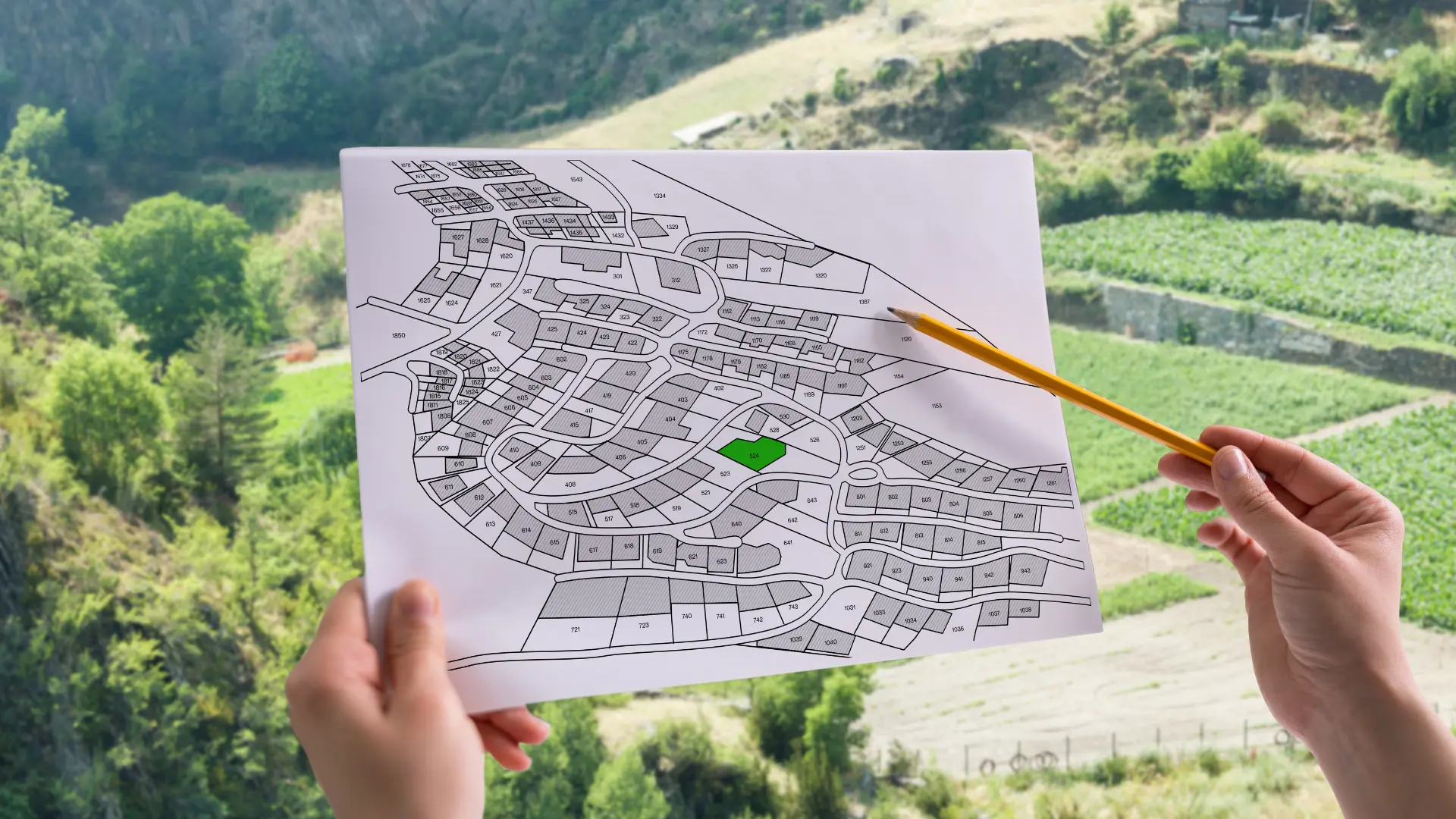
Investors should verify more than the seller’s identity and asking price. Reviews may include the land certificate, legal ownership, title history, boundaries, encumbrances, disputes, taxation, spatial planning, road access, restrictions, and compatibility with the proposed development.
Physical conditions should also be compared against legal documents.
A beautiful site does not necessarily mean it is legally or practically ready for the intended project.
7. What Infrastructure Should I Check?
Infrastructure can materially affect the feasibility of Investing in Lombok.
Investors should assess road and legal access, electricity, water supply, drainage, telecommunications, waste management, and other infrastructure required for the intended operation.
This becomes particularly important for hospitality developments or projects outside established urban areas.
Infrastructure should consequently be considered during feasibility and due diligence, not after the land transaction has been completed.
8. What Do I Need Before Starting Construction?
Investing in Lombok through a property development also means complying with Indonesia’s building and construction requirements.
The investor should first ensure that the proposed development aligns with spatial planning and the applicable business activity. Depending on the project, building, environmental, technical, and operational requirements may then apply.
Indonesia uses PBG (Persetujuan Bangunan Gedung) within its building approval framework, while SLF (Sertifikat Laik Fungsi) relates to the building’s fitness for use.
The precise requirements depend on the development, location, scale, and intended use, making project-specific assessment important before construction begins.
9. Can My Company Conduct Multiple Business Activities?
Potentially, but this should be structured carefully when Investing in Lombok.
A company may register multiple KBLI activities where legally permitted and appropriate. However, each activity can carry different foreign investment restrictions, licensing requirements, risk classifications, operational standards, and investment requirements.
For example, developing property, operating accommodation, running a restaurant, and providing another service should not automatically be treated as one regulatory activity simply because they are part of the same commercial project.
Investors should map each revenue-generating activity to the appropriate KBLI and licensing requirements.
10. What Are the Main Investment Risks?
The risks associated with Investing in Lombok extend beyond market performance.
Legal and regulatory risks may arise from land ownership issues, incorrect corporate structures, incompatible zoning, insufficient road access, incomplete licenses, incorrect KBLI classifications, construction compliance, tax obligations, environmental requirements, or regulatory changes.
There are also commercial considerations such as infrastructure availability, construction costs, operating costs, financing, demand, and project timelines.
The purpose of due diligence is not to suggest that every project is risky. It is to identify which risks exist before significant capital is committed.
Build the Investment Around the Project
Successful planning for Investing in Lombok should begin with the intended project, not simply the available land.
Ask what business will operate there, which company will conduct it, whether foreign investment is permitted for the relevant activities, whether the land and zoning support the project, what approvals will be required, and what tax and compliance obligations will follow.
For Investing in Lombok, legal, corporate, licensing, land, and commercial considerations are interconnected.
A strong investment structure should therefore consider the complete lifecycle of the project: acquisition, establishment, development, licensing, operation, compliance, and eventually expansion or exit.