

8 Critical Land Development Bali Mistakes
You Leased 2,000 m², but How Much Can You Actually Build On?
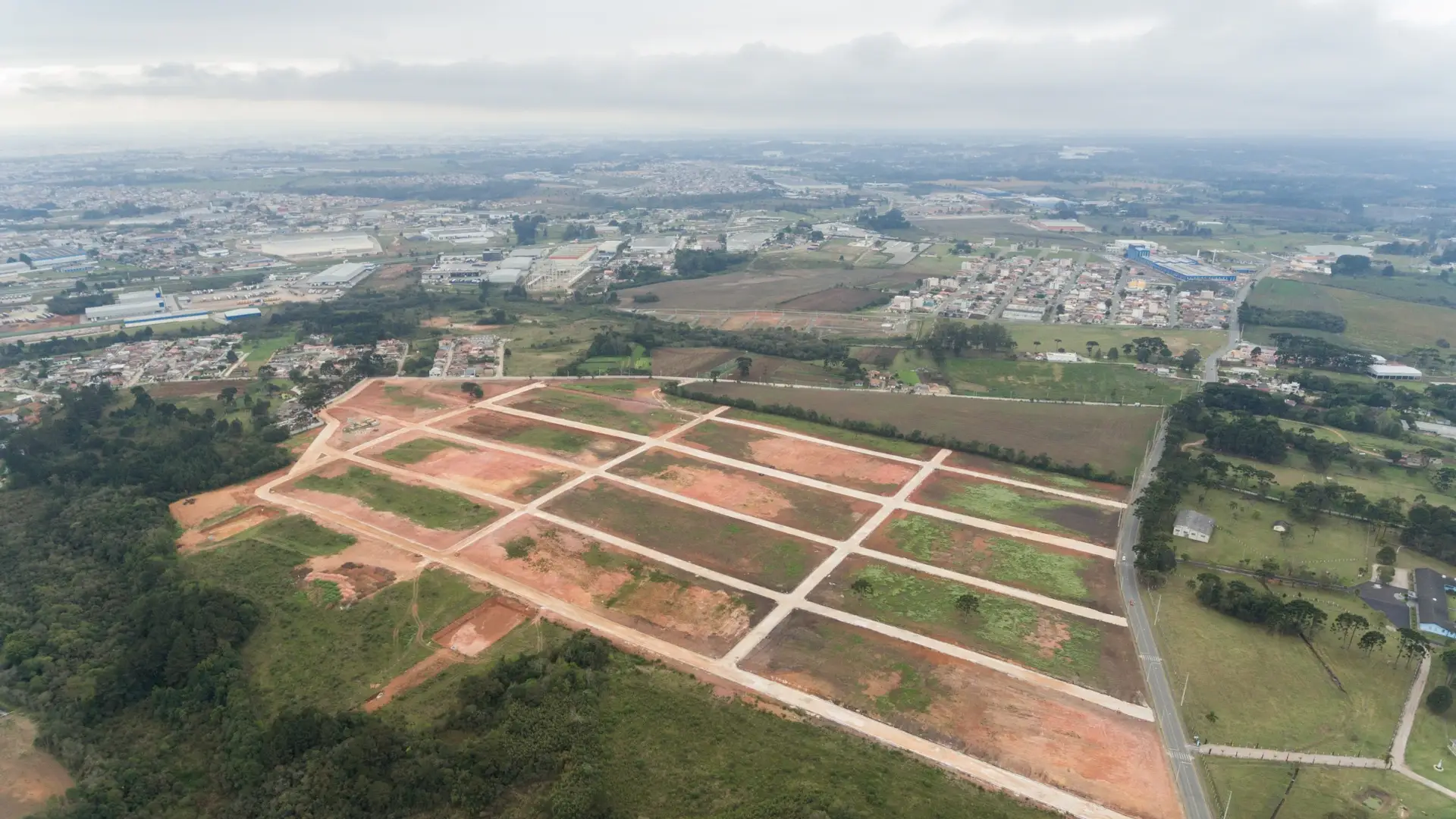
A large plot can look like the perfect foundation for a villa, resort, restaurant, or mixed-use property project. An investor sees 2,000 m² on the land documents, calculates how many units might fit, negotiates a long lease, and starts paying architects.
Part of the land may be affected by zoning rules, setbacks, access requirements, building-intensity controls, environmental considerations, or infrastructure requirements. Suddenly, the area that can realistically support the intended project may be considerably smaller than the area leased.
This is one of the most expensive assumptions in Land Development Bali: land size and buildable area are not necessarily the same thing.
1. Start With Spatial Planning, Not the Concept Design
For Land Development Bali, the first question should not be “How many villas fit on 2,000 m²?” It should be “What development is permitted on this specific parcel?”
Government Regulation No. 21 of 2021 governs spatial planning and the framework for Kesesuaian Kegiatan Pemanfaatan Ruang (KKPR), or conformity of spatial utilization activities. Bali also has Provincial Regulation No. 2 of 2023 on the Bali Provincial Spatial Plan (RTRW) 2023–2043. More detailed RDTR and zoning rules may apply at the regency or city level.
2. Check the RDTR and Zoning Rules
RDTR provides more detailed spatial-planning information and can include zoning rules governing permitted, conditional, limited, or prohibited activities. Bali’s official TARUBALI portal explains that zoning provisions address land-use activities, development intensity, building arrangements, minimum infrastructure and facilities, and special provisions.
3. Gross Land Area Is Not Your Development Calculation
Imagine leasing 2,000 m² and immediately designing ten villas based on the entire plot. That calculation can fail because Land Development Bali must account for applicable site controls.
A safer Land Development Bali process determines the applicable spatial and technical parameters first, then asks the architect to design within those parameters.
4. Building Intensity Can Change the Economics
A project can be allowed in principle while still facing limits on its physical scale. Zoning rules can regulate development intensity and building arrangements.
For Land Development Bali, this matters commercially. Your feasibility model may assume a certain number of rooms, villas, restaurant seats, or revenue-producing spaces. If the legally feasible design supports substantially less development, expected construction costs and returns may change.
5. Access Should Be Checked Before Signing
A beautiful parcel can still create serious development problems if legal and practical access is unclear.
For Land Development Bali, investors should establish whether access is public, included within the parcel, or dependent on another owner’s land or a contractual arrangement. The physical existence of a road does not, by itself, answer every legal access question.
6. The Intended Business Activity Matters
Building a private residence and developing commercially operated accommodation are not necessarily the same regulatory project.
Under Government Regulation No. 28 of 2025, Indonesia’s current risk-based business licensing framework covers basic requirements, business licensing, supporting business licenses, OSS services, supervision, and sanctions. It replaced PP No. 5 of 2021 on 5 June 2025.
Therefore, Land Development Bali should connect the property analysis with the intended commercial activity. Investors planning villas, accommodation, restaurants, wellness facilities, or other businesses should review the relevant KBLI, OSS requirements, location, and applicable licensing rather than treating the building and the business as separate decisions.
7. Do Not Forget Building Approval
Even when the intended use aligns with spatial planning, the project still needs to address applicable building requirements.
For Land Development Bali, investors should plan the approval pathway before construction, including Persetujuan Bangunan Gedung (PBG) and Sertifikat Laik Fungsi (SLF) requirements where applicable. The approved building function and technical design should align with what is actually constructed and operated.
A strong Land Development Bali strategy therefore coordinates land, spatial planning, architectural design, building approvals, and business licensing instead of reviewing each one after money has already been committed.
8. Due Diligence Should Come Before the Lease
One of the most common property-investment mistakes is conducting technical due diligence after signing the long-term lease.
For Land Development Bali, the sequence matters. Before committing, investors should verify land rights and ownership, boundaries, spatial designation, relevant RDTR provisions, legal access, project compatibility, applicable development controls, and the licensing pathway for the intended operation.
A 2,000 m² parcel can still be an excellent opportunity. But Land Development Bali decisions should be based on development feasibility, not simply the number written on the land certificate.
That is why Land Development Bali needs early verification.
Before You Lease, What Can You Actually Build?
Have you found a large Bali plot and already calculated how many villas you can develop?
Before signing the lease, ask a more important question: what portion of the land can legally and practically support your project?
Synergy Pro can assist with Land Development Bali due diligence, including spatial-planning review, business licensing considerations, corporate structuring, and coordination of relevant compliance requirements.