

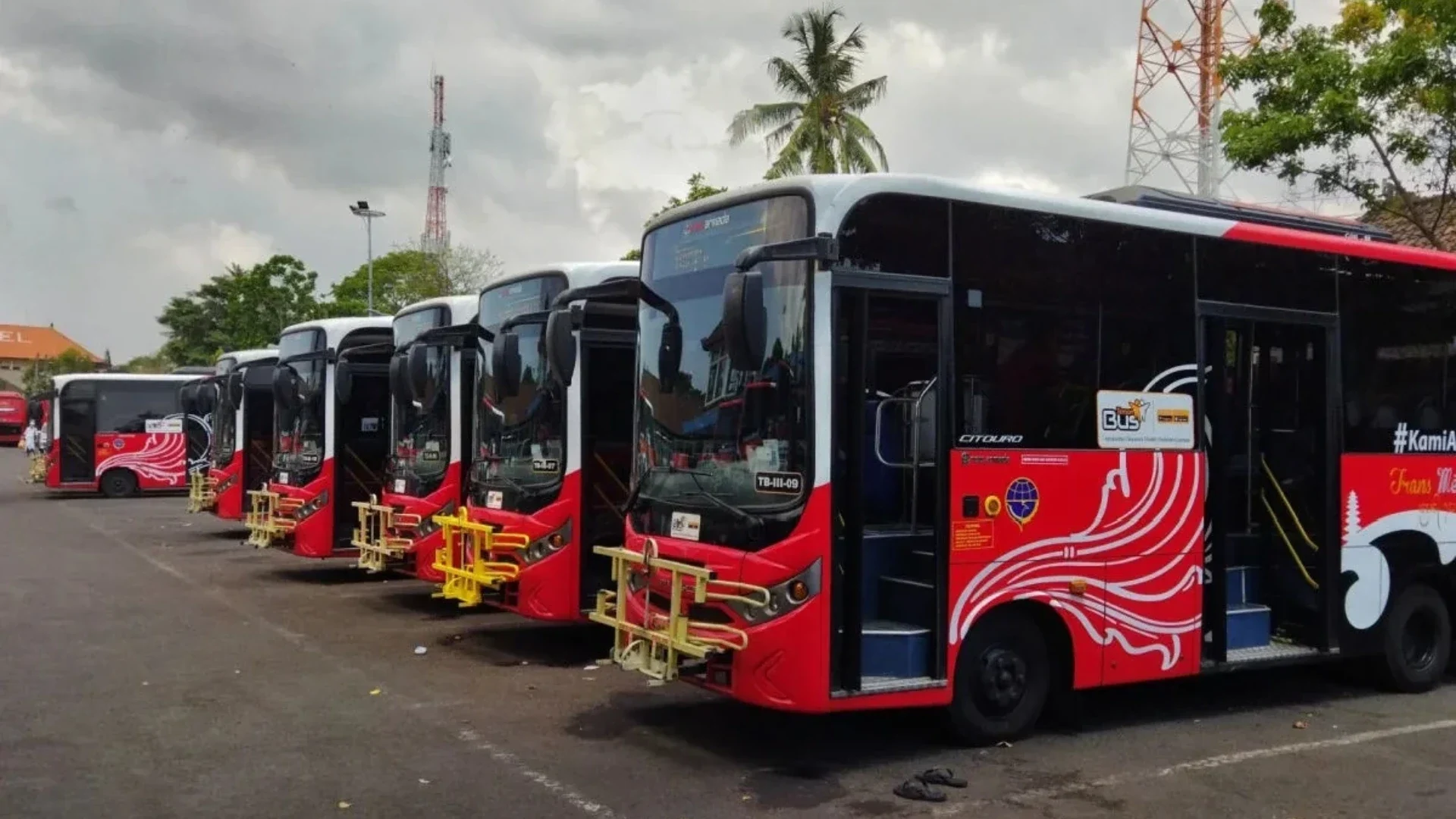
Bali Electronic Bus is Launched: 1 Year Free Public Transportation
Bali has taken an important step toward sustainable public transportation with the official launch of its electric Trans Sarbagita bus service on 9 November 2026. The Bali Electronic Bus initiative introduces free public transportation connecting Denpasar and Garuda Wisnu Kencana (GWK), offering residents and visitors a more environmentally friendly travel option.
Governor Wayan Koster announced that passengers can use the service free of charge for at least one year, with operational expenses temporarily covered by the Bali Provincial Government.
Beyond providing free transportation, the Bali Electronic Bus program reflects the province’s commitment to reducing pollution, improving accessibility, and encouraging greater public transportation use.
A New Chapter for Bali’s Public Transportation
The Bali Electronic Bus service officially began operating on Monday, 9 November 2026, following an inauguration at GOR Ngurah Rai in Denpasar.
The initiative introduces 11 electric buses, including 10 operational vehicles and one reserve unit. The fleet was provided through cooperation between the Bali Provincial Government and South Korea.
The Bali Electronic Bus program is operated by Perum DAMRI under the coordination of Bali’s Provincial Transportation Agency. Governor Koster introduced the initiative through three central principles: zero emissions, zero noise, and zero rupiah for passengers.
Although electric buses are not entirely silent and their overall environmental impact depends partly on electricity generation, they produce no tailpipe emissions and generally operate more quietly than conventional diesel buses.
Bali Electronic Bus Routes and Stops
The initial Bali Electronic Bus corridor connects GOR Ngurah Rai in Denpasar with Garuda Wisnu Kencana Cultural Park in the Jimbaran area of Badung Regency.
The route passes through several important residential, educational, commercial, and government areas.
Major locations along the corridor include:
- GOR Ngurah Rai, Denpasar
- Renon and Bajra Sandhi Monument
- Jalan Sudirman
- Sesetan and Pedungan
- Dewa Ruci and the Ngurah Rai Bypass
- Kedonganan and Jimbaran
- Udayana University campuses
- Garuda Wisnu Kencana (GWK)
According to published route information, the Bali Electronic Bus serves 46 stopping points toward GWK and 41 stopping points on the return journey.
The different stopping patterns mean passengers should verify their boarding and destination stops before traveling.
For commuters, the Bali Electronic Bus provides another connection between Denpasar and southern Badung, particularly for workers and students traveling between these areas.
How to Use the Free Bus Service
The Bali Electronic Bus is available without passenger fares during the announced free-service period. However, free transportation does not mean passengers can board without following the operator’s procedures. Passengers must tap an electronic money card when boarding. This requirement allows the operator to record passenger numbers and evaluate service utilization.
Authorities have also indicated that cards can be made available for passengers who do not already have one. Before traveling, Bali Electronic Bus passengers should confirm operating schedules, available stops, and any service adjustments through official transportation announcements.
The free-fare initiative is intended to encourage residents to experience public transportation and potentially reduce their dependence on private vehicles.
Environmental Benefits and Sustainable Mobility
The Bali Electronic Bus initiative supports Bali’s broader transition toward cleaner transportation.
Unlike conventional fuel-powered buses, battery-electric vehicles produce no exhaust emissions during operation. They can also reduce traffic-related noise, particularly in heavily populated areas.
These improvements could contribute to better urban air quality and a more comfortable travel environment. The initiative also supports Bali Governor Regulation No. 45 of 2019 concerning Bali Clean Energy and Governor Regulation No. 48 of 2019 concerning battery-based electric motor vehicles.
The Bali Electronic Bus represents a practical implementation of these existing provincial policies. However, the long-term environmental benefits will depend on electricity sources, operational efficiency, passenger adoption, and the extent to which public transportation replaces private vehicle journeys.
Benefits for Tourism and Local Businesses
Improved public transportation can create opportunities beyond environmental protection. The Bali Electronic Bus connects important areas used by employees, students, residents, and visitors.
For hospitality businesses, accessible transportation may help employees commute between Denpasar and southern Bali. Hotels, restaurants, retail establishments, and tourism operators near stopping points could also benefit from improved connectivity.
The Bali Electronic Bus may encourage visitors to explore destinations using shared transportation rather than relying exclusively on private vehicles. Nevertheless, improved transport access does not automatically guarantee increased business revenue or property values. Businesses should evaluate actual passenger demand, walking accessibility, operating schedules, and local infrastructure before making investment decisions.
What Comes Next for Bali?
The launch is an initial step rather than the completion of Bali’s public transportation transformation. The Bali Electronic Bus program will provide an opportunity for authorities to evaluate passenger demand, operational performance, and public acceptance. Important considerations include service frequency, reliability, passenger accessibility, charging infrastructure, and integration with other transportation networks.
Governor Koster has stated that the free-fare policy will be evaluated after its initial implementation period. Future decisions concerning additional routes, fleet expansion, and long-term financing will depend on government planning and subsequent announcements.
For investors and business owners, the Bali Electronic Bus initiative highlights the growing importance of sustainable infrastructure in regional development. However, any commercial opportunities should be assessed alongside applicable licensing, environmental, land-use, and investment regulations.
Explore Bali’s Evolving Business Landscape
How could Bali’s improving transportation infrastructure and sustainability initiatives influence your next business or investment decision?
As Bali continues developing its infrastructure, understanding local opportunities, licensing requirements, and regulatory obligations remains essential.
Contact Synergy Pro Corporate Business & Legal Advisory for professional assistance with business establishment, investment planning, property legal due diligence, and regulatory compliance in Bali.