

Why Neighboring Plots Can Have Different Permissions: Surprising Bali Building Permits Differences 2026
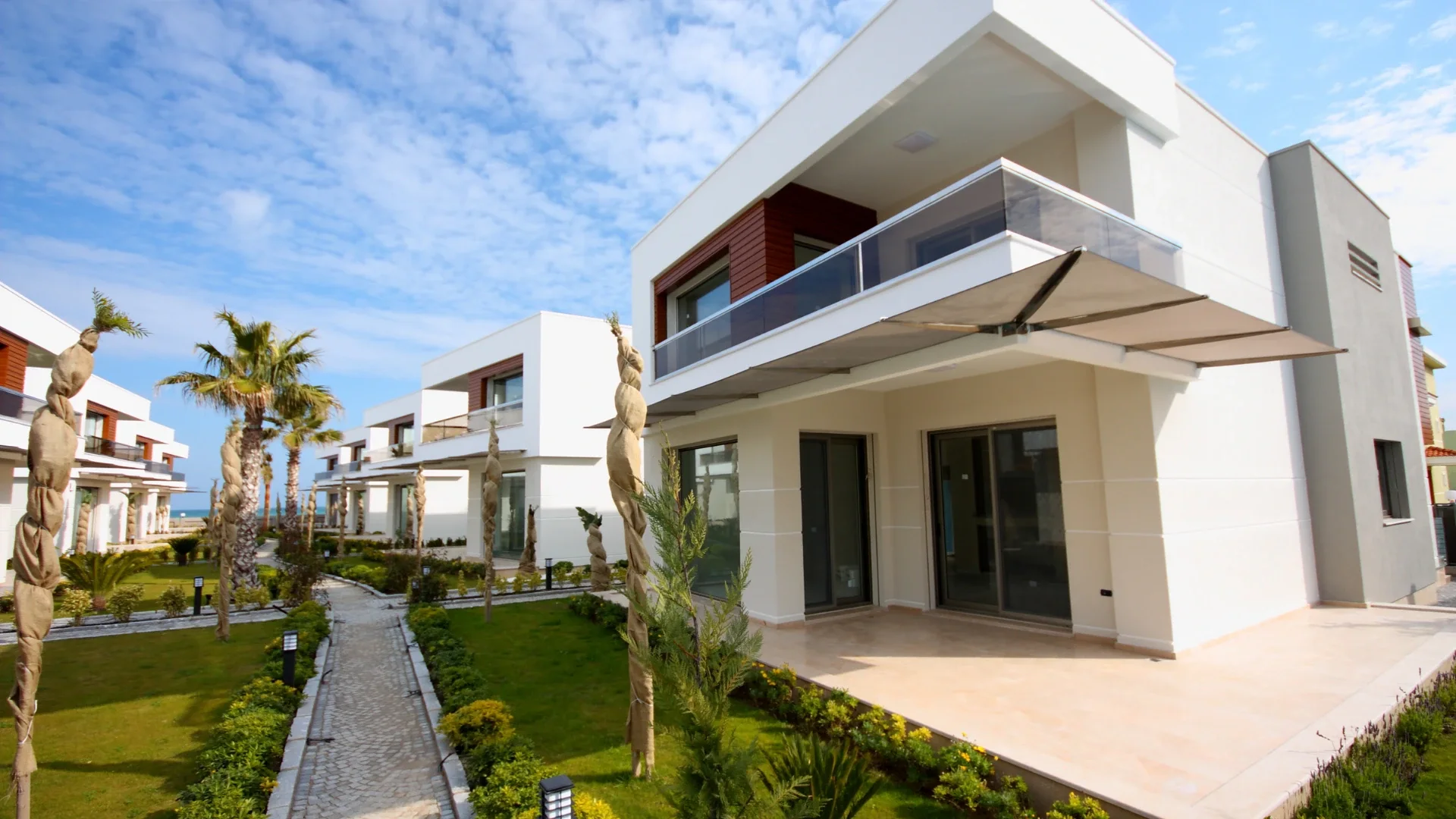
Two adjoining plots in Bali may share a road, landscape, and market price, yet face completely different development conditions. One supports a villa, while another may be restricted by zoning, setbacks, or protected land designations. Understanding Bali Building Permits means evaluating each parcel individually, not copying assumptions from the property next door.
Zoning Boundaries Do Not Follow Property Expectations
Spatial plans divide land into designated uses, but regulatory boundaries need not follow fences, roads, or neighborhood appearances. A parcel may sit inside a tourism-supporting zone while its neighbor falls within agricultural or conservation-related land use.
Bali Building Permits depend partly on whether the proposed activity matches applicable spatial planning instruments. Provincial Bali Regulation No. 2 of 2023 establishes the provincial spatial plan for 2023–2043. Regency and municipal plans, including detailed spatial plans where available, provide further controls.
A nearby hotel or villa is therefore evidence of existing development, not proof that another plot qualifies for similar construction. Bali Building Permits require verification of the actual parcel, not neighborhood precedent.
RTRW and RDTR Serve Different Purposes
RTRW, the regional spatial plan, establishes broader land-use policies and spatial structures. RDTR, the detailed spatial plan, supplies more precise zoning rules where enacted. Investors must identify which instruments govern their actual coordinates.
For Bali Building Permits, a map screenshot alone may not resolve borderline locations. Parcel boundaries, coordinates, official mapping accuracy, and local zoning provisions should be checked against the intended project. Where plans overlap or interpretation is uncertain, seek clarification from the competent spatial planning authority.
Regulations can also change. An existing neighboring building may have been authorized under earlier rules or may not demonstrate current compliance. Bali Building Permits assessments should rely on applicable provisions.
Building Intensity Can Change Across Adjacent Sites
Even where two plots permit residential or tourism-related development, their permitted building size can differ. Common planning controls include KDB, the maximum building footprint ratio; KLB, the floor area ratio; and KDH, the minimum green open space proportion.
Bali Building Permits may also depend on maximum height, road setbacks, boundary distances, access, and other local requirements. These controls influence how many rooms, floors, parking spaces, or facilities a development can accommodate.
Imagine two equally sized parcels. One has generous access and setbacks; another borders a protected corridor or narrow road. Their theoretical land area matches, but their buildable area may not. Bali Building Permits assessments must examine usable development envelopes and technical constraints.
Land Ownership Does Not Guarantee Buildability
A valid land certificate helps establish registered rights, but does not independently confirm permission to construct a particular building. Title checks and spatial suitability assessments answer different questions.
Bali Building Permits should be considered alongside land tenure, boundaries, easements, access rights, and any restrictions affecting the site. Foreign investors must also assess whether their proposed ownership or lease structure is lawful.
Before paying a nonrefundable deposit, compare the certificate with survey coordinates, official spatial information, and the planned development concept. Resolve discrepancies before relying on projected rental income. Bali Building Permits cannot be established merely through promotional claims or verbal assurances.
KKPR Is Not the Same as PBG
Kesesuaian Kegiatan Pemanfaatan Ruang, or KKPR, addresses conformity between proposed spatial use and applicable plans. Under Government Regulation No. 28 of 2025, business-related KKPR pathways include confirmation where an integrated RDTR is available and approval where the relevant detailed plan is unavailable, subject to applicable conditions.
Bali Building Permits involve a separate building approval process. Persetujuan Bangunan Gedung, or PBG, concerns technical compliance for constructing, altering, or otherwise undertaking regulated building works. Sertifikat Laik Fungsi, or SLF, addresses building fitness for use under applicable requirements.
A spatial suitability document does not replace PBG. Likewise, PBG does not automatically authorize every proposed commercial operation.
Environmental and Cultural Constraints Matter
Coastal setbacks, river corridors, agricultural protections, environmental requirements, and locally applicable cultural or heritage considerations can limit a project. Specific controls depend on the site and relevant regulations.
Bali Building Permits should therefore be reviewed with environmental and infrastructure requirements, not treated as a standalone paperwork exercise. Drainage, wastewater management, road access, and utility provision may materially affect design feasibility.
Investors should be cautious when marketing materials describe land as ready to build without identifying the permitted use, intensity parameters, and necessary approvals.
Due Diligence Before Signing a Land Agreement
A sound review begins with a current land certificate search and boundary verification. Next, obtain precise coordinates and check the governing RTRW, RDTR, zoning conditions, and applicable KKPR pathway. Ask an architect to test the concept against building intensity, setbacks, and access requirements.
For Bali Building Permits, identify PBG documentation, potential SLF obligations, environmental approvals, and any additional operational licensing needed for a rental property or hospitality business.
Make investment decisions conditional on satisfactory findings wherever commercially possible. A clear legal and technical assessment is usually more valuable than assurances based on a neighboring project.
What Could Your Land Actually Support?
How certain are you that the plot you intend to purchase or lease can legally accommodate your proposed development? Bali Building Permits require more than comparisons with neighboring properties.
Synergy Pro Corporate Business & Legal Advisory supports investors with zoning verification, land due diligence, spatial planning coordination, and property development compliance. Contact Synergy Pro to assess your specific plot before making a major investment commitment.